Polyhouse farming · India

Polyhouse Farming in Himachal Pradesh

Polyhouse farming in Himachal Pradesh: 7 town guides with monthly climate, crop windows and the right polyhouse for each, plus MIDH subsidy notes.

Sudhir Devkar, founder of Kryzen Biotech

By Sudhir Devkar, Founder & CEO, Kryzen Biotech

Updated

Map of Himachal Pradesh
Map: Local Government Directory (LGD) 2024 boundaries via bharatlas (opens in a new tab), CC BY 4.0. For illustration only; see the Survey of India political map (opens in a new tab).

This page lists the 7 towns in Himachal Pradesh where we have a farm planning guide. Each guide uses that town's own monthly climate to suggest a protected structure, and a crop calendar. We have built 2 projects in Himachal Pradesh so far (see our project map (opens in a new tab)).

The towns listed are 1,200 to 1,390 km in a straight line from our nearest site. On the Köppen–Geiger climate map, 5 of these towns fall in the humid subtropical with dry winters zone (Cwa) and 1 in the temperate oceanic zone (Cfb), and the rest in other zones.[1] Urban households in Himachal Pradesh spent an average of ₹9,230 per person per month in 2023–24, against an all-India urban average of ₹7,078.[2]

Locations in Himachal Pradesh

TownPopulationClimate zoneTo our nearest site
Manali–Temperate oceanic1,390 km
Mandi28,000Humid subtropical with dry winters1,330 km
Nahan29,000Humid subtropical with dry winters1,200 km
Palampur–Humid subtropical with dry winters1,370 km
Shimla1.7 lakhSubtropical highland with dry winters1,260 km
Solan40,000Humid subtropical with dry winters1,240 km
Sundarnagar25,000Humid subtropical with dry winters1,310 km
Population from Census 2011 or GeoNames; climate zone from the Köppen–Geiger map. Open a town for its monthly climate and crop months.

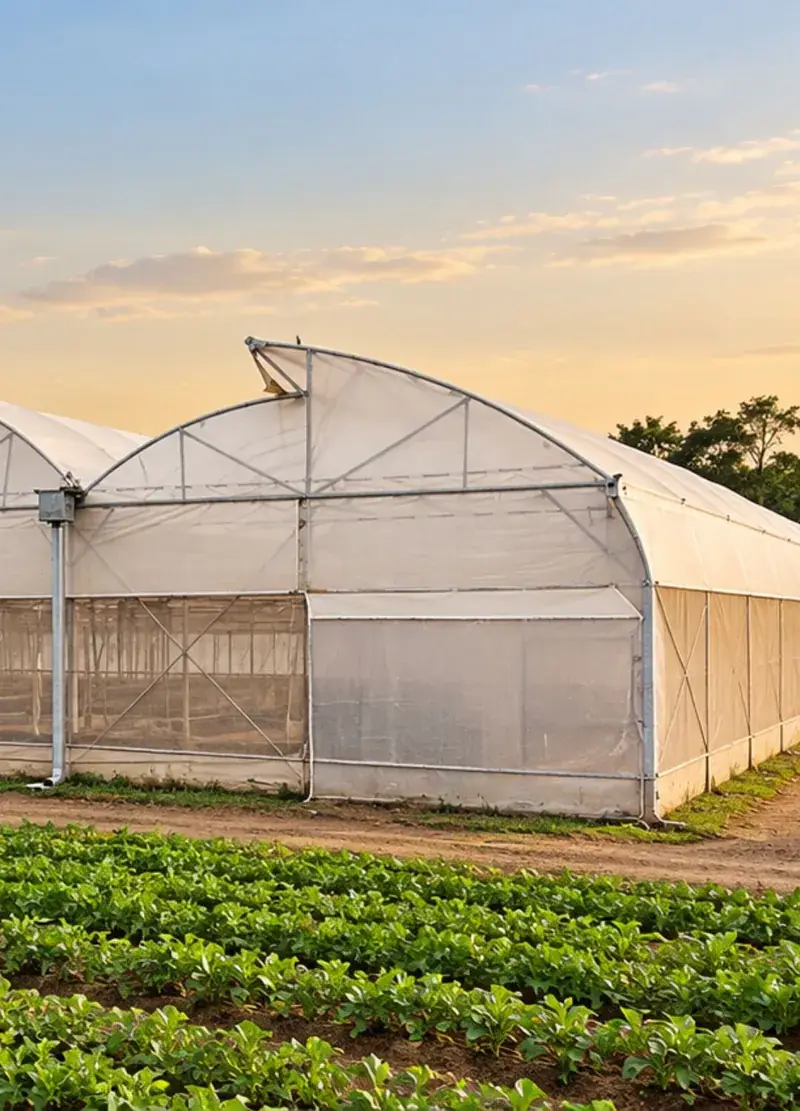
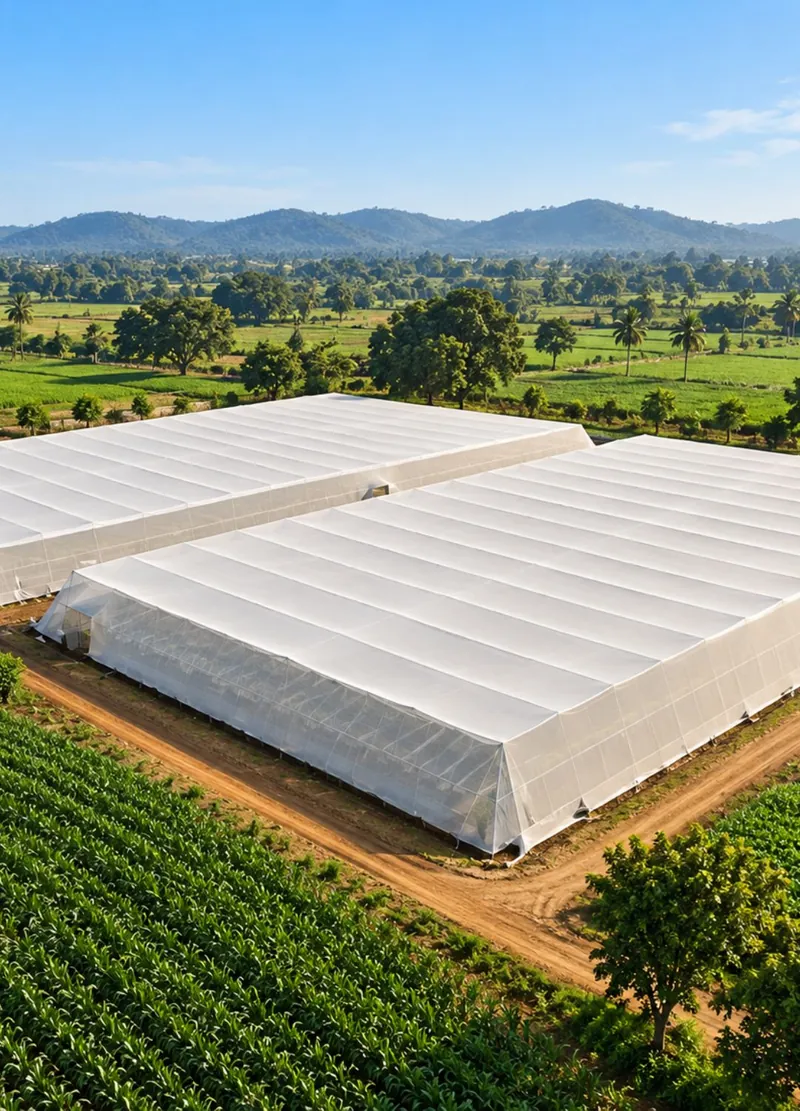
Protected structures we build

Subsidy in Himachal Pradesh

Polyhouse, shade net and hydroponic projects can apply for assistance under the Mission for Integrated Development of Horticulture (MIDH) through the Himachal Pradesh horticulture department. Rates and limits change, so check the current norms when you apply. We prepare the Detailed Project Report for your bank loan and subsidy application.[3]


Sources

  1. Rubel & Kottek, University of Veterinary Medicine Vienna · World map of the Köppen–Geiger climate classification (opens in a new tab)
  2. Ministry of Statistics and Programme Implementation (MoSPI) · Household Consumption Expenditure Survey 2023–24: press note (opens in a new tab)
  3. Ministry of Agriculture and Farmers Welfare · Mission for Integrated Development of Horticulture (MIDH) (opens in a new tab)