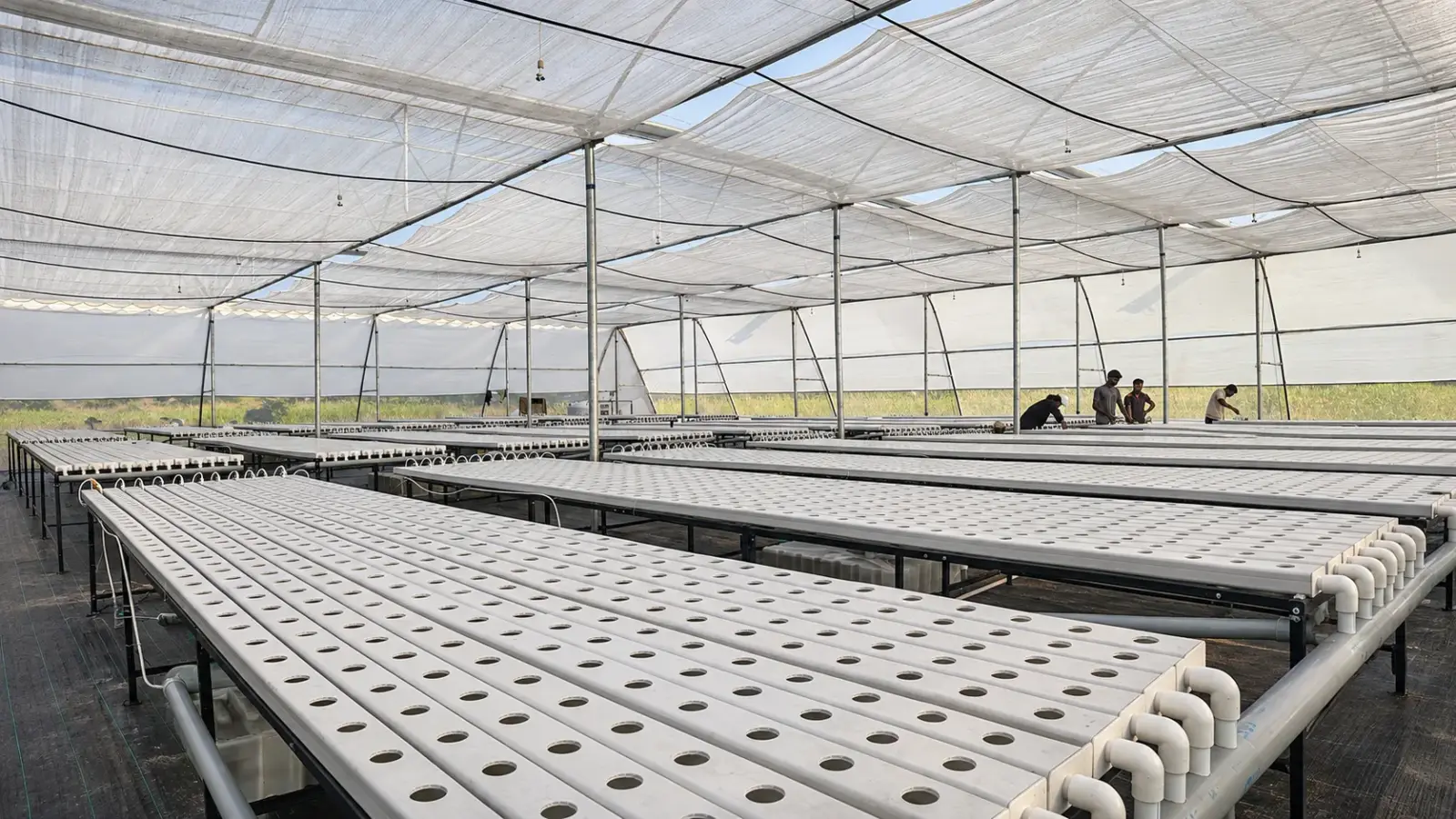
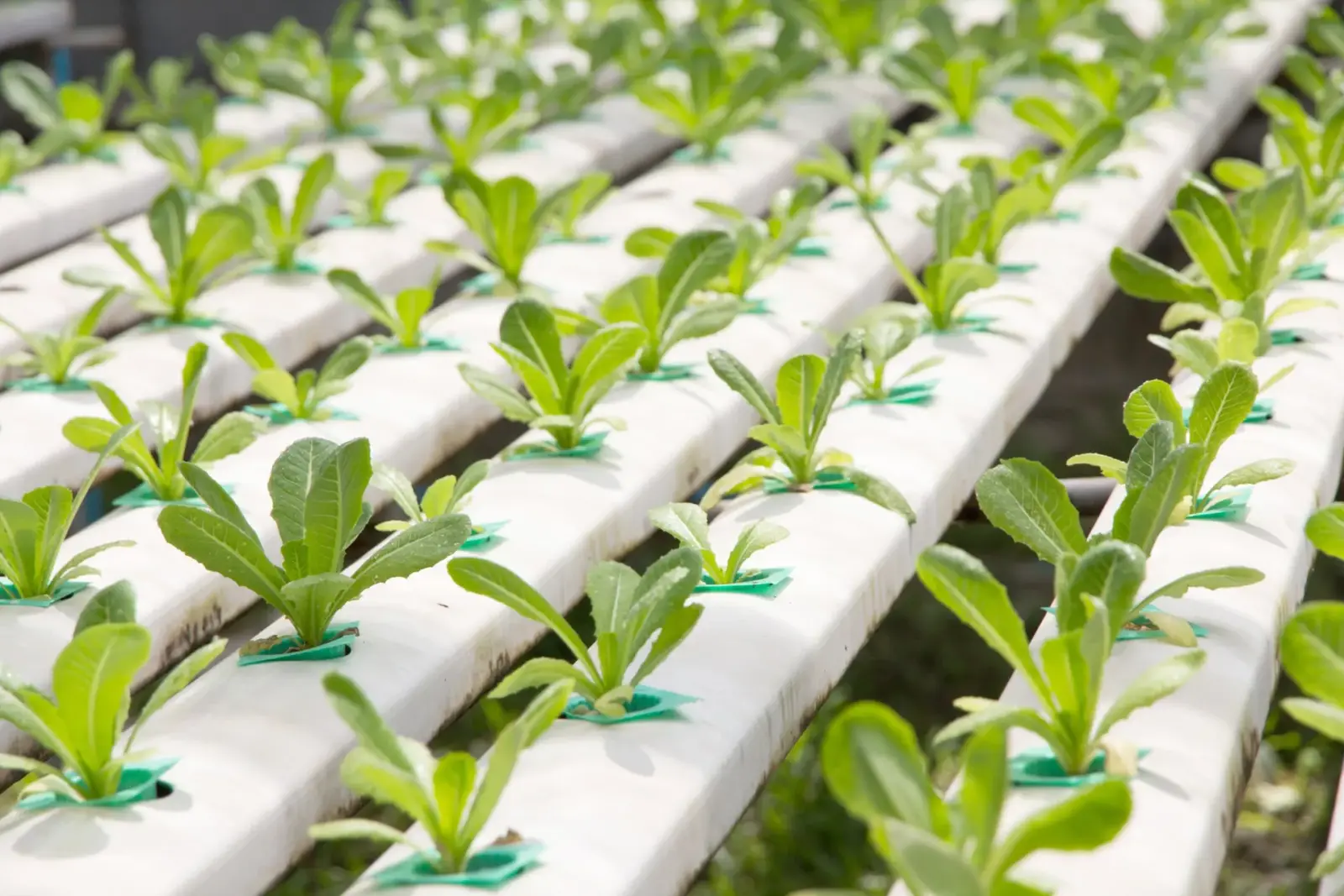
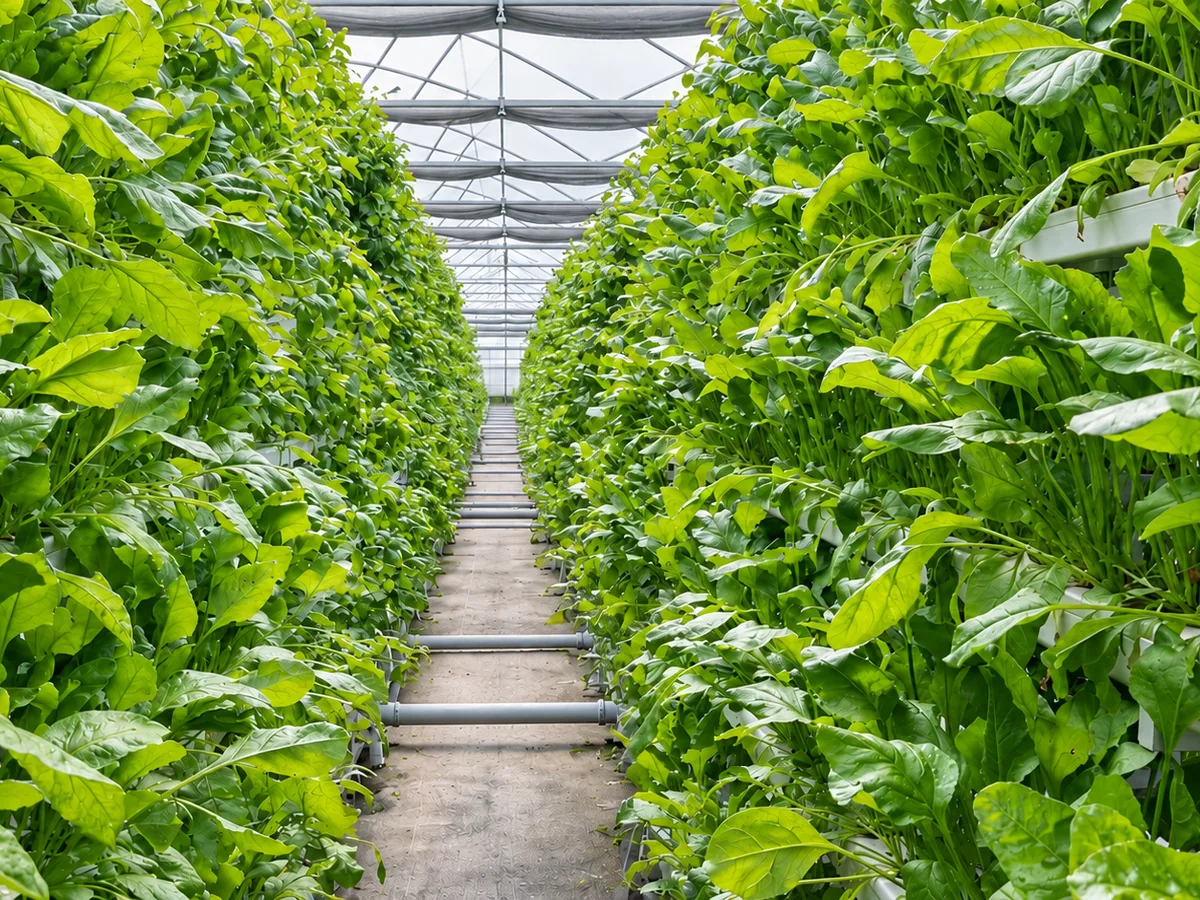
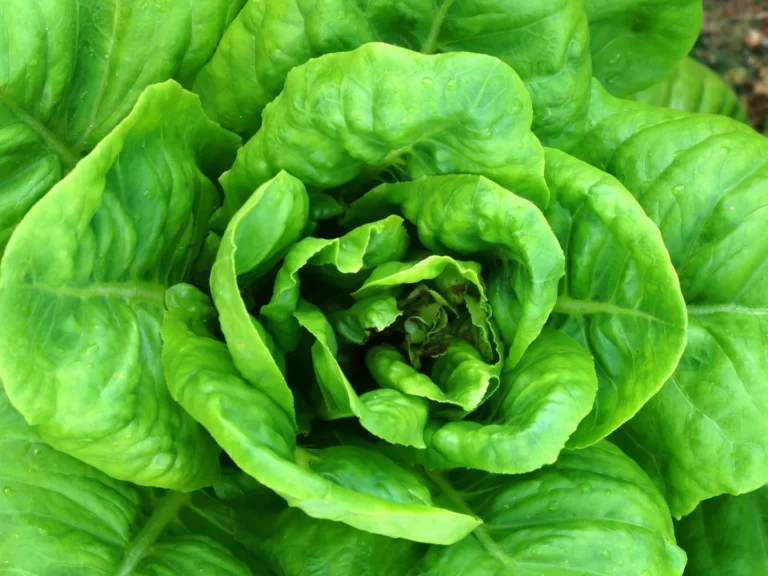
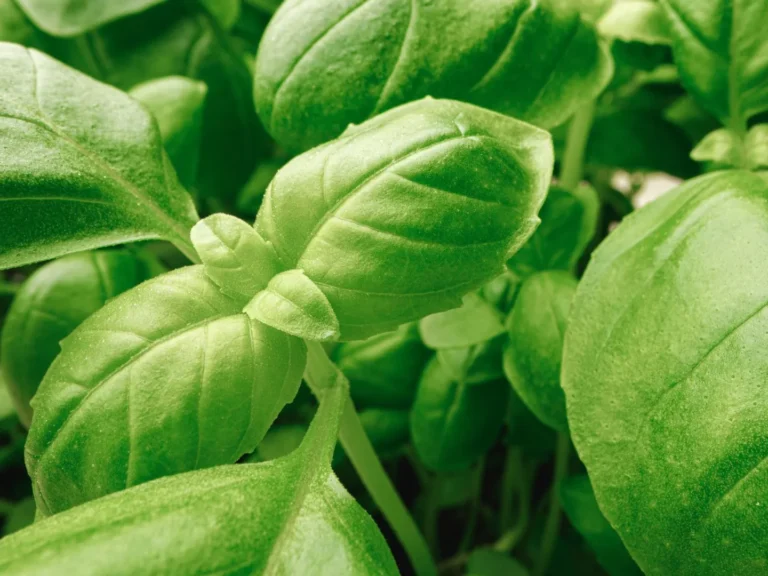
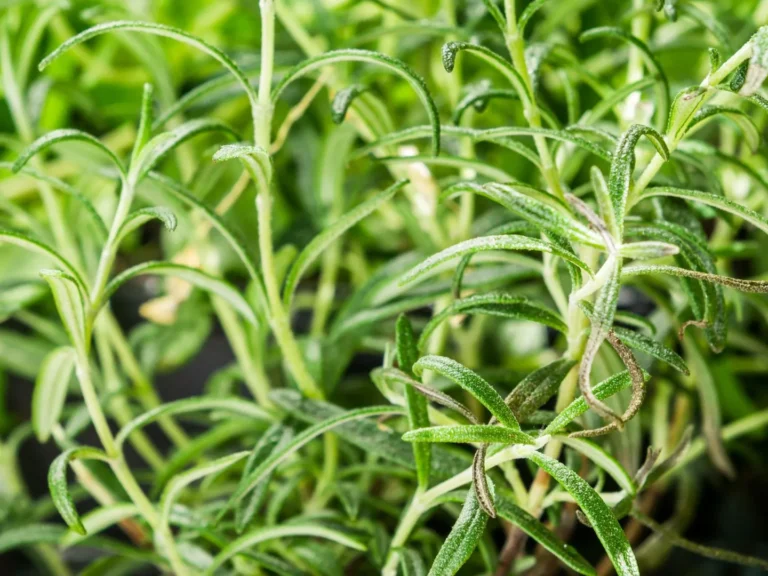
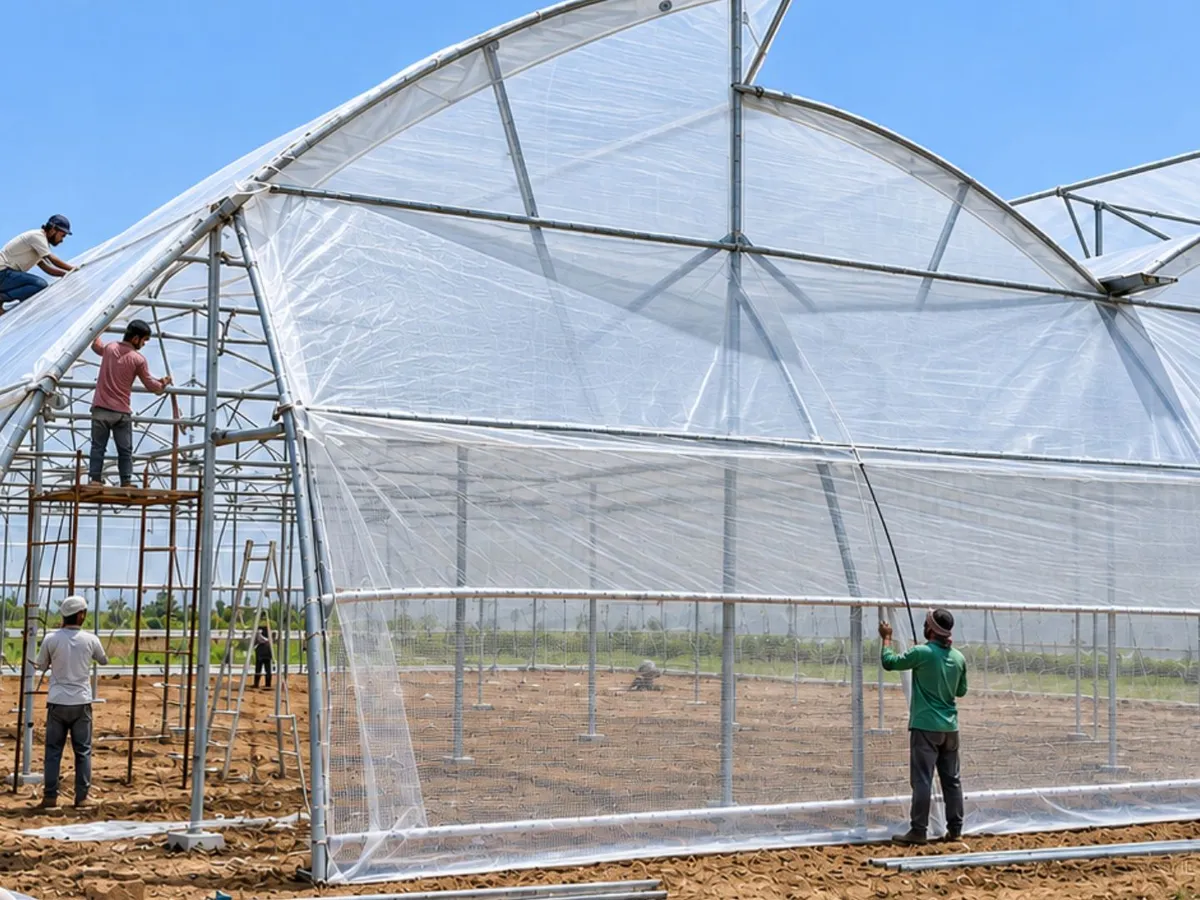
In NFT (Nutrient Film Technique), plants sit in channels while a thin film of nutrient water flows past their roots. It is the fastest, cleanest way to grow lettuce, basil, spinach and other leafy greens and herbs. Kryzen builds flatbed and A-frame NFT farms across India.
A thin film of nutrient water, flowing past the roots
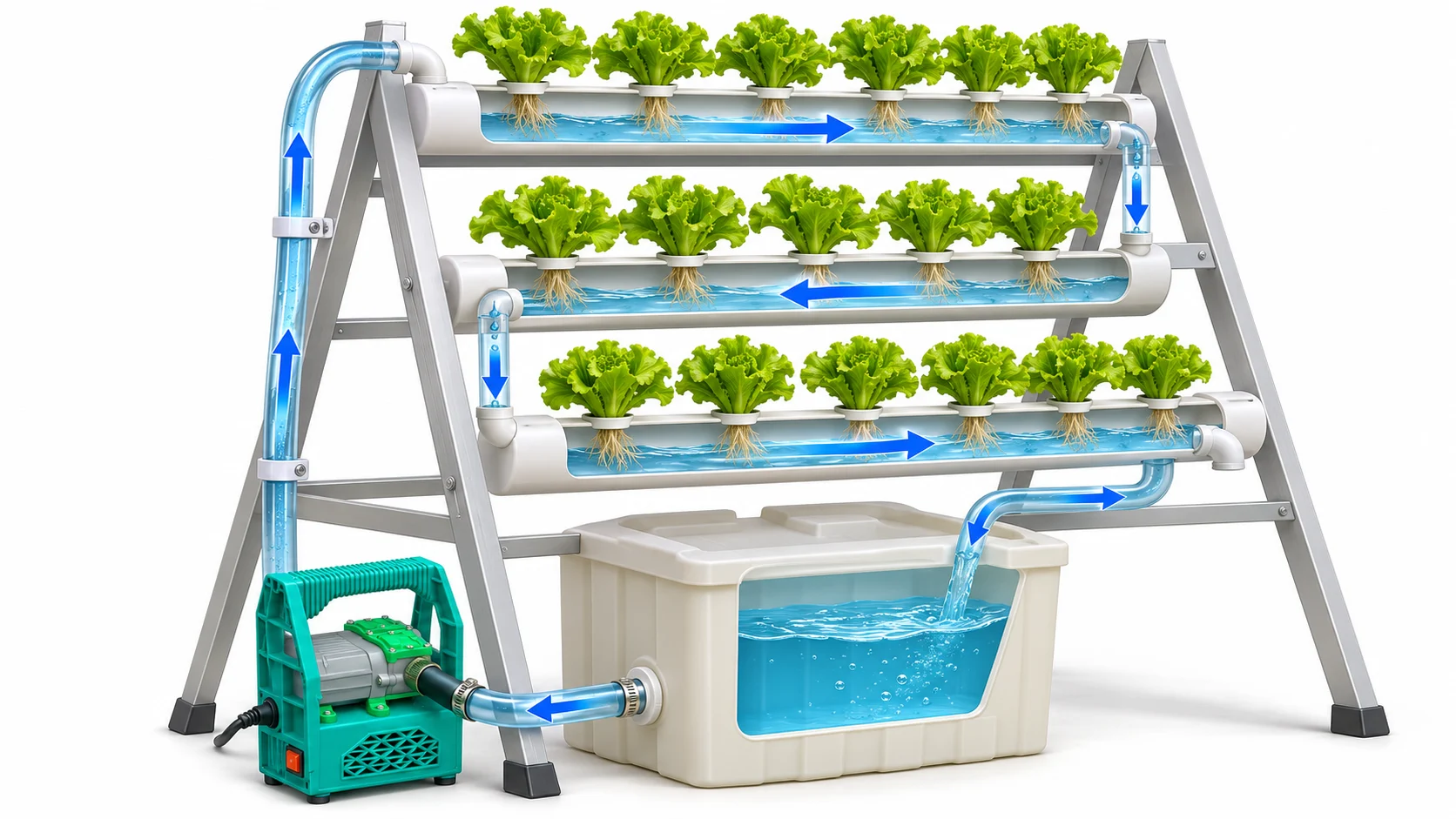
NFT is a soil-less growing method. Plants grow in holes along long, gently sloping channels. A pump sends nutrient water to the high end, it flows down as a thin film over the roots and drains into a tank at the low end. Because roots touch only a thin film, they also get plenty of air, so plants grow fast. There is no soil and no growing media to replace.
How a Kryzen NFT system works
1
Reservoir tank
Stores the nutrient solution. Three-layer tanks keep it cool on hot sites.
2
Pump
A 0.5–1 HP pump lifts the solution to the channels, sized to your layout and slope.
3
Central plumbing
Feeds every channel evenly.
4
NFT channels
Food-grade, lead-free, double-layer channels on a double-coated mild steel frame.
5
End caps and spouts
Injection-moulded caps seal both ends and guide the flow.
6
Return
The solution flows back to the tank to be used again.
7
Monitoring
EC and pH are checked and adjusted every day.
Types of NFT hydroponics
Flatbed or A-frame
Both use the same food-grade channels. The layout decides how many plants fit and how easy harvesting is.
1 acre is 4,047 m². This example is a 2026 Kryzen quotation for a 4,080 m² farm with 60% flatbed NFT and 40% grow bags.
Item
Rate per m²
Amount
Naturally ventilated polyhouse
₹780
₹31.8 lakh
NFT and grow bag systems with weed mat
₹1,750
₹71.4 lakh
Engineering, erection and commissioning
₹181
₹7.4 lakh
Foggers
₹33
₹1.3 lakh
Retractable aluminet
₹101
₹4.1 lakh
Air circulation fans (56)
—
₹5.0 lakh
Electric panels and fittings
₹13
₹0.6 lakh
Consulting and admin
—
₹0.2 lakh
Total before GST
₹1.22 crore
Total with 18% GST
₹1.44 crore
NHB subsidy (35%)
− ₹50.4 lakh
Cost after subsidy
₹93.6 lakh
Monthly running cost
About ₹85,400
Labour (2 full-time workers × ₹12,000)₹24,000
Seeds₹24,461
Growing media₹24,461
Electricity (3-phase)₹5,100
Nutrients₹4,488
Packaging₹2,856
Expected revenue, lettuce
₹6–8 lakh/monthly
Per acre in a polyhouse with NFT hydroponics. It depends on variety, season, market price and how well the crop is managed.
Cash flow and break-even over 12 years
Cumulative cash position of the 1-acre farm above, with and without the NHB subsidy. Pick a crop below and move the sliders to see how capacity use and your loan change it.
With subsidy
Without subsidy
Before break-even
After break-even
Crops suitable for NFT: pick one to set the revenue range
These are tentative numbers.
Want to know your own calculations? Book the site inspection kit and our team of experts will find out your break-even period.
Illustration only, not a guarantee. Based on the quotation above (₹1.44 crore with GST), revenue for the crop you pick, scaled from the low end of its range at 50% capacity use to the high end at 95%, running cost of ₹85,400 a month in year 1 rising by the opex increase you select each year, crop rates rising by the crop rate increase you select each year, maintenance of ₹5 lakh every 4 years and an NHB subsidy of 35% received after year 1, subject to approval. Year 1 counts 9 months of sales while the farm is built and the first crop grows. Crop revenue ranges are Kryzen estimates per acre per month. Tax free: agricultural income is generally exempt from income tax in India under Section 10(1); check your case with a tax adviser. Actual results depend on crop, market and management.
Costs are from one 2026 quotation and change with farm size, site and design. Ask us for a quotation for your farm size and site.
Lead-free, double-layer channels with injection-moulded end caps.
Rust-resistant frames
Double-coated mild steel frames built to last.
Complete farm
Polyhouse, NFT, fertigation, foggers and fans from one company.
Our own factory
Made and quality-checked in our factory in Satara, Maharashtra.
Training included
Hydroponic Masterclass access, 4 days of hands-on labour training and 6 months of virtual agronomy.
Help to sell
Buyers Connect, contract buyers and quick commerce for your greens.
Crops you can grow in NFT
Leafy greens and herbs that thrive in NFT
Short cycles mean many harvests a year, with steady demand from hotels, cafes, salad brands and supermarkets. Fruiting crops like capsicum and tomato grow better in cocopeat grow bags.
The polyhouse for your NFT farm, built to National Horticulture Board (NHB) and National Horticulture Mission (NHM) norms can apply for government subsidy, and the project can use an AIF loan. A bank loan is usually part of the project, and the subsidy is paid after the project is checked.
NFT (Nutrient Film Technique) is a hydroponic method where a thin stream of nutrient water flows past plant roots in sloped channels and returns to a tank.
Which crops grow best in NFT?
Leafy greens and herbs: lettuce, basil, spinach, parsley, coriander, mint, oregano, thyme, rosemary and rocket.
How many plants fit in an NFT farm?
A Kryzen flatbed layout fits about 26 plants per m². An A-frame fits more per m² of floor.
How much does an NFT farm cost?
In a 2026 Kryzen quotation, a 4,080 m² farm with 60% NFT and 40% grow bags cost ₹1.44 crore with GST, including the polyhouse.
What happens if power fails?
Roots in NFT can dry quickly without flow. Kryzen connects the system to a generator or solar backup if you provide one.
Do leafy greens need a polyhouse?
In most Indian climates, yes, plus shade in summer to keep the roots cool.
Is there a subsidy on NFT hydroponics?
The polyhouse can get NHB or NHM subsidy, and the project can use an AIF loan.
Talk to our team
Plan your leafy greens farm with us
Tell us your land, water and market. We’ll suggest the right NFT layout and crops, and share a detailed quotation.