
Hydroponics · Cocopeat growbags
Cocopeat growbag hydroponics for vegetables and flowers
Plants grow in bags of washed cocopeat while drippers feed each one a measured dose of nutrient water. It is the most used way to grow capsicum, tomato, cucumber and cut flowers in a polyhouse. Kryzen builds complete growbag farms across India.
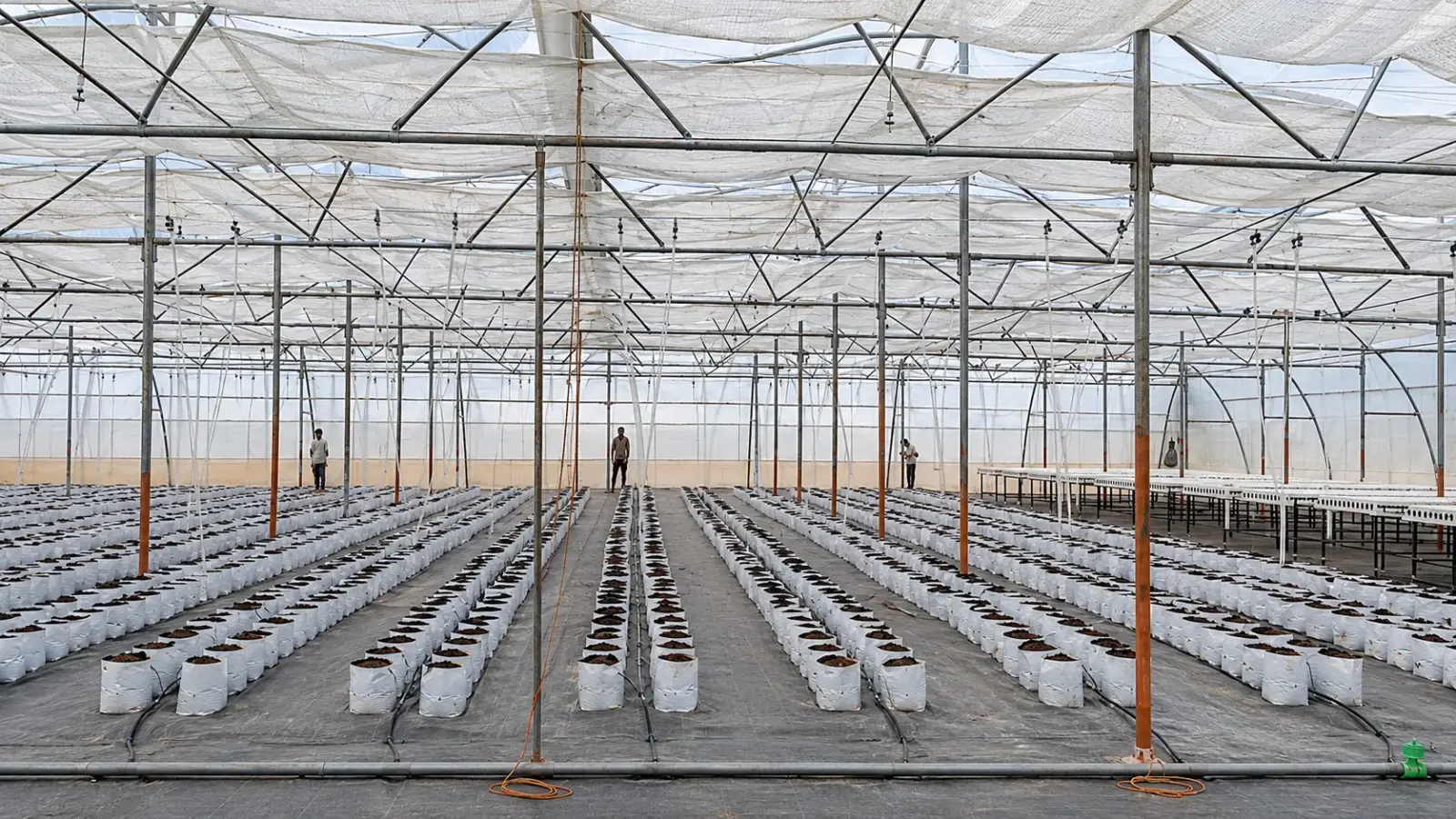
About 3.7 plants per m²
Low-EC washed cocopeat
Measured drip to every plant
What is cocopeat growbag hydroponics?
Cocopeat in place of soil, and a dripper for every plant
Cocopeat is the washed, ground husk of coconuts. It holds water and air well and carries no soil diseases or weeds. Plants grow in UV-stabilised bags filled with it, set in rows on weed mat inside a polyhouse. A drip system feeds every plant a measured dose of water and nutrients several times a day, and the extra drains away. Tall crops are trained up strings to the roof.
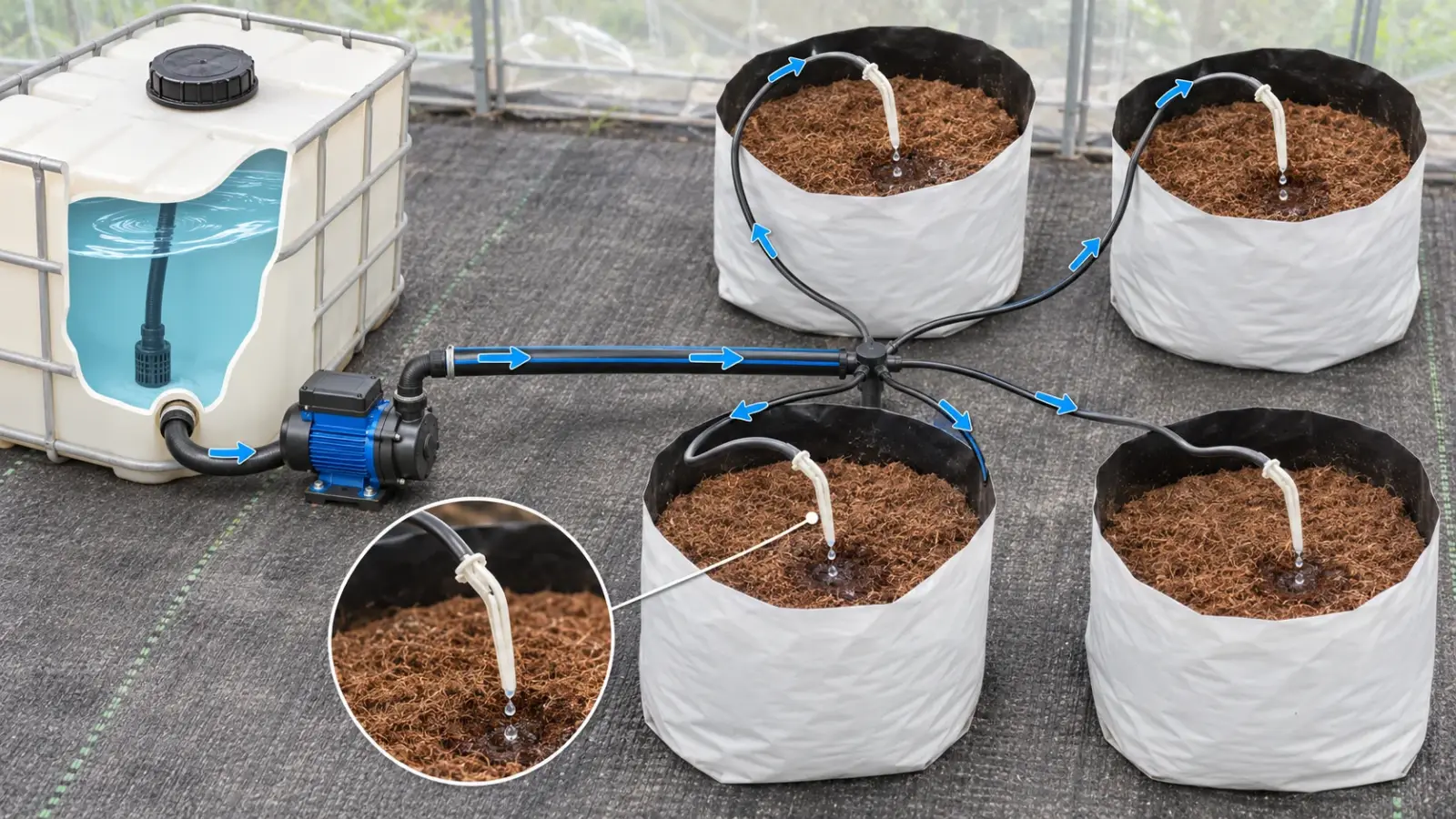
How a Kryzen growbag system works
- 1Fertigation tank
Stores the nutrient solution, for example a 4,000 L tank for a quarter-acre farm.
- 2Pump and filter
Pushes clean solution into the drip lines on a timer.
- 3Main and sub-main lines
Carry the solution to every row.
- 4Pressure-compensating nipples
Give the same flow at the start and end of each row.
- 5Arrow drippers
Netafim 4 LPH drippers place the solution at each plant's roots.
- 6Cocopeat growbags
Double-layer UV bags of low-EC washed cocopeat, on weed mat with 3.5–4.5 ft walkways.
- 7Monitoring
EC and pH of the feed and the drain are checked every day.
Types of growbags hydroponics
Grow bags, grow slabs or troughs
All three use cocopeat and drip feeding. The container decides how the roots sit, how the water drains and how the rows are laid out.
Cocopeat grow bags
Loose cocopeat in double-layer UV bags.
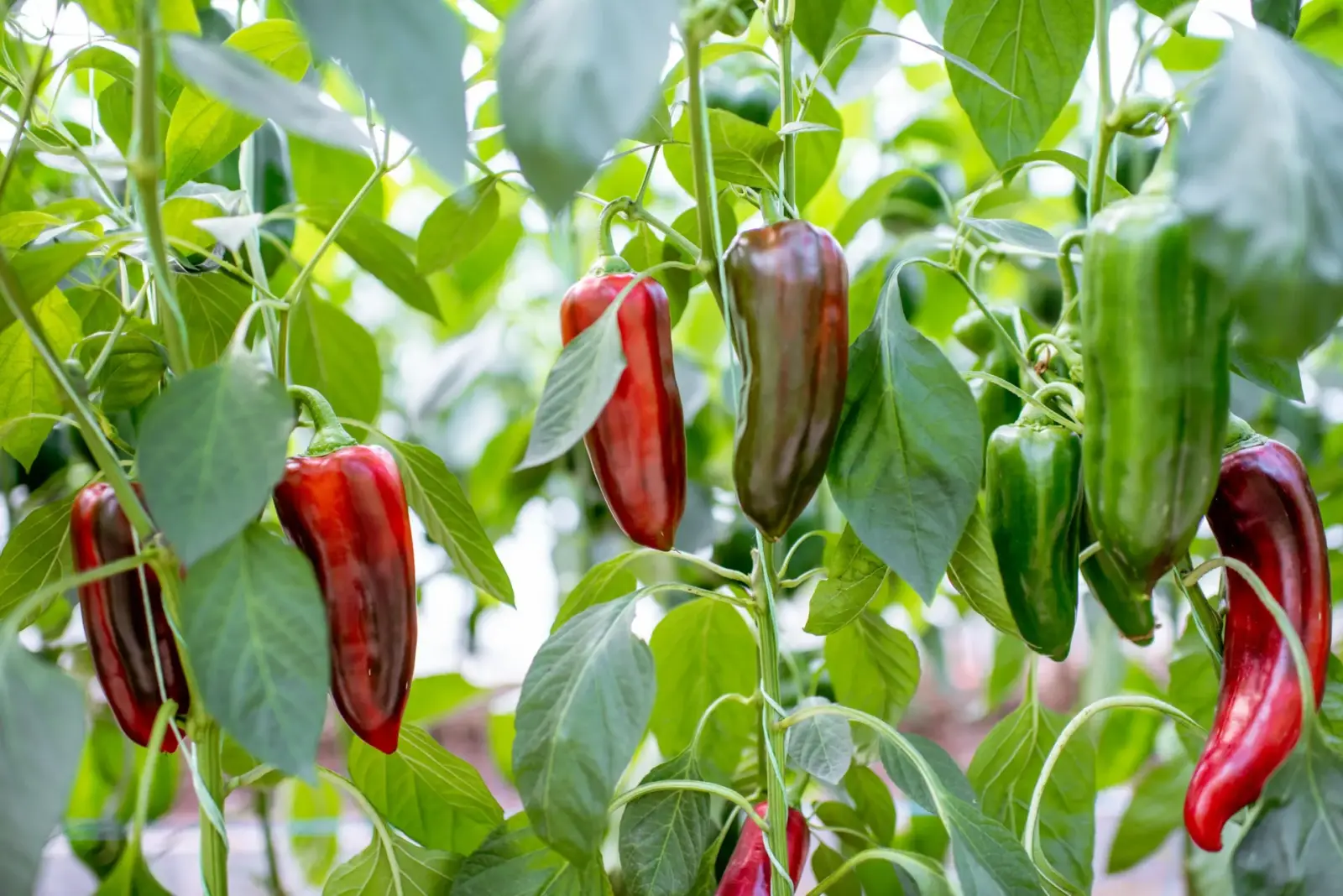
Best for: Capsicum, tomato, cucumber and most fruiting crops.
See grow bags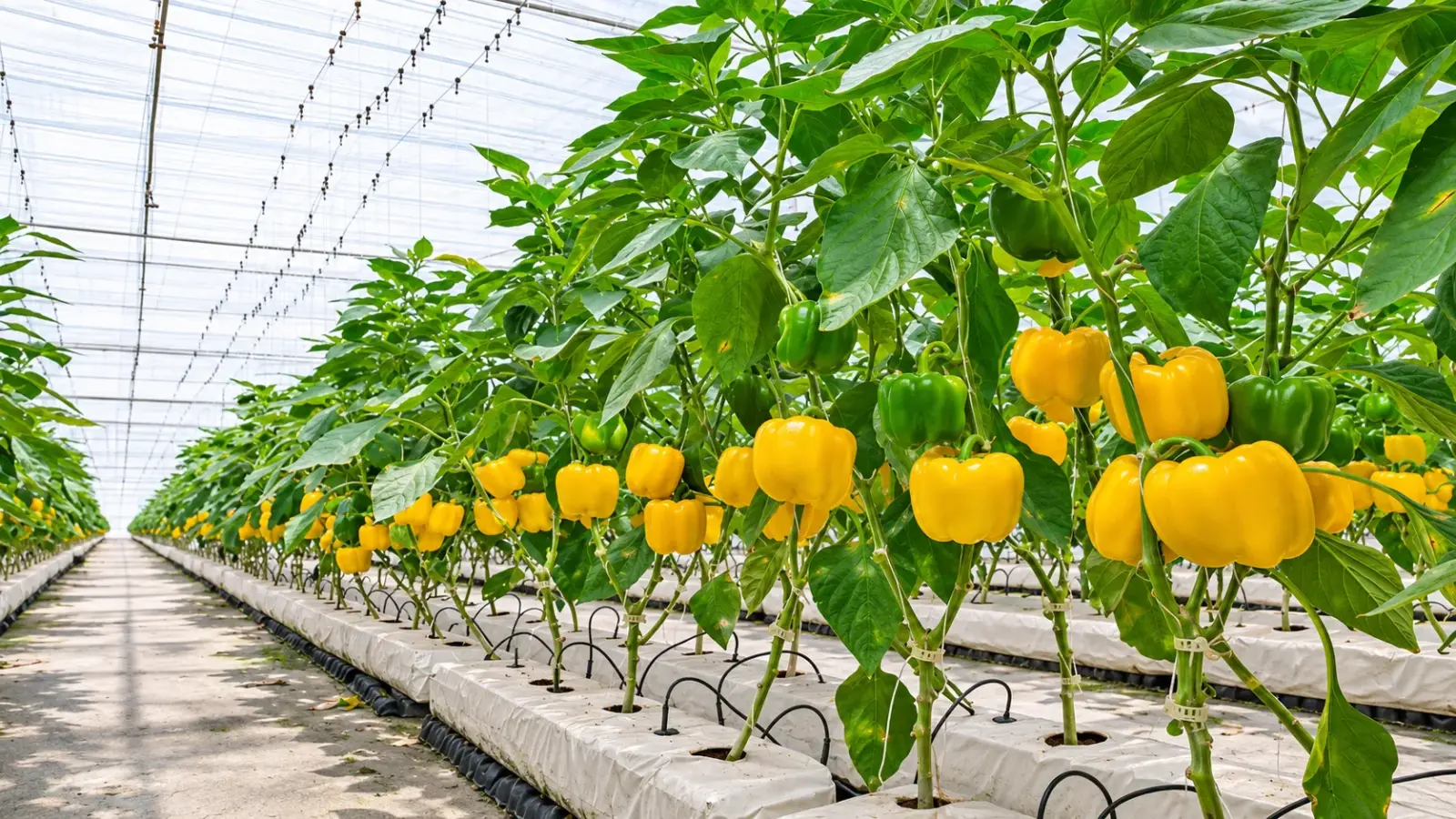
Grow slab
Compressed cocopeat slabs in a UV sleeve.
Best for: Uniform rows and quick replanting between crops.
See grow slab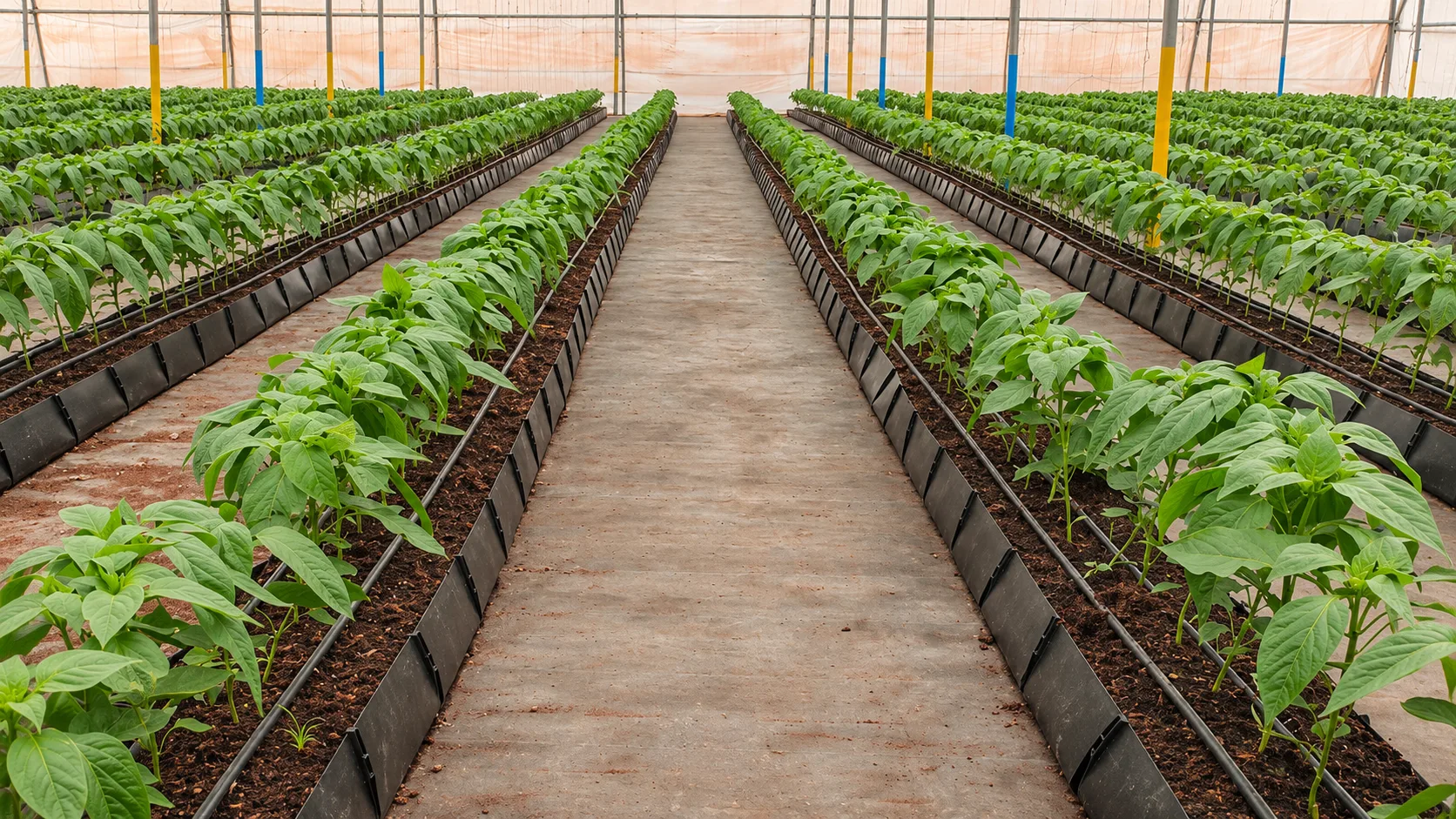
Trough
Long channels filled with cocopeat, on the ground or on an A-frame.
Best for: Strawberry, flowers and crops that need a long, even root bed.
See trough
Cost and profit in 1 acre growbags
What a 1-acre growbag farm costs
1 acre is 4,047 m². This example uses the polyhouse rate from a 2026 Kryzen 1-acre quotation and the growbag system rates from a Kryzen quotation for a 100% growbag farm.
| Item | Rate per m² | Amount |
|---|---|---|
| Naturally ventilated polyhouse | ₹780 | ₹31.6 lakh |
| Growbag hydroponic system with weed mat | ₹1,062 | ₹43.0 lakh |
| Engineering, erection and commissioning | ₹285 | ₹11.5 lakh |
| Foggers | ₹54 | ₹2.2 lakh |
| Retractable aluminet | ₹101 | ₹4.1 lakh |
| Consulting and admin | — | ₹0.3 lakh |
| Total before GST | ₹92.7 lakh | |
| Total with 18% GST | ₹1.09 crore | |
| NHB subsidy (35%) | − ₹38.3 lakh | |
| Cost after subsidy | ₹71.1 lakh |
Monthly running cost
About ₹46,900
- Labour (2 full-time workers × ₹12,000)₹24,000
- Seeds₹5,261
- Growing media₹5,261
- Electricity₹5,059
- Nutrients₹4,452
- Packaging₹2,833
Expected revenue, capsicum
₹3–10 lakh/monthly
Per acre in a polyhouse with cocopeat grow bags. It depends on variety, season, market price and how well the crop is managed.
Cash flow and break-even over 12 years
Cumulative cash position of the 1-acre farm above, with and without the NHB subsidy. Pick a crop below and move the sliders to see how capacity use and your loan change it.
- With subsidy
- Without subsidy
- Before break-even
- After break-even
Crops suitable for grow bags: pick one to set the revenue range
These are tentative numbers.
Want to know your own calculations? Book the site inspection kit and our team of experts will find out your break-even period.
Illustration only, not a guarantee. Based on the cost above (₹1.09 crore with GST), revenue for the crop you pick, scaled from the low end of its range at 50% capacity use to the high end at 95%, running cost of ₹46,900 a month in year 1 rising by the opex increase you select each year, crop rates rising by the crop rate increase you select each year, maintenance of ₹4 lakh every 4 years and an NHB subsidy of 35% received after year 1, subject to approval. Year 1 counts 9 months of sales while the farm is built and the first crop grows. Crop revenue ranges are Kryzen estimates per acre per month. Tax free: agricultural income is generally exempt from income tax in India under Section 10(1); check your case with a tax adviser. Actual results depend on crop, market and management.
Rates are from one Kryzen quotation and change with farm size, site and design. Ask us for a quotation for your farm size and site.
Growbags vs regular farming
How grow bags compare with soil farming
| Point | Cocopeat grow bags | Soil farming |
|---|---|---|
| Water use | Low; measured drip to each plant | High |
| Nutrient control | Exact dose, checked by EC and pH | Hard to control |
| Soil diseases and weeds | None; fresh cocopeat each cycle | Common |
| Land preparation | None; bags sit on weed mat | Ploughing, beds and mulching |
| Poor or saline soil | Does not matter | Limits what you can grow |
| Setup cost | Higher; see cost above | Low |
Why Kryzen growbags?
Built right, and supported after handover
Low-EC washed cocopeat
Washed, low-salt cocopeat in double-layer UV-stabilised bags.
Netafim drippers
4 LPH arrow drippers with pressure-compensating nipples for even flow.
Complete farm
Polyhouse, growbag system, fertigation, foggers and trellising from one company.
Our own factory
Made and quality-checked in our factory in Satara, Maharashtra.
Training included
Hydroponic Masterclass access, 4 days of hands-on labour training and 6 months of virtual agronomy.
Help to sell
Buyers Connect, contract buyers and quick commerce for your produce.
Crops you can grow in growbags
Vegetables and flowers that thrive in grow bags
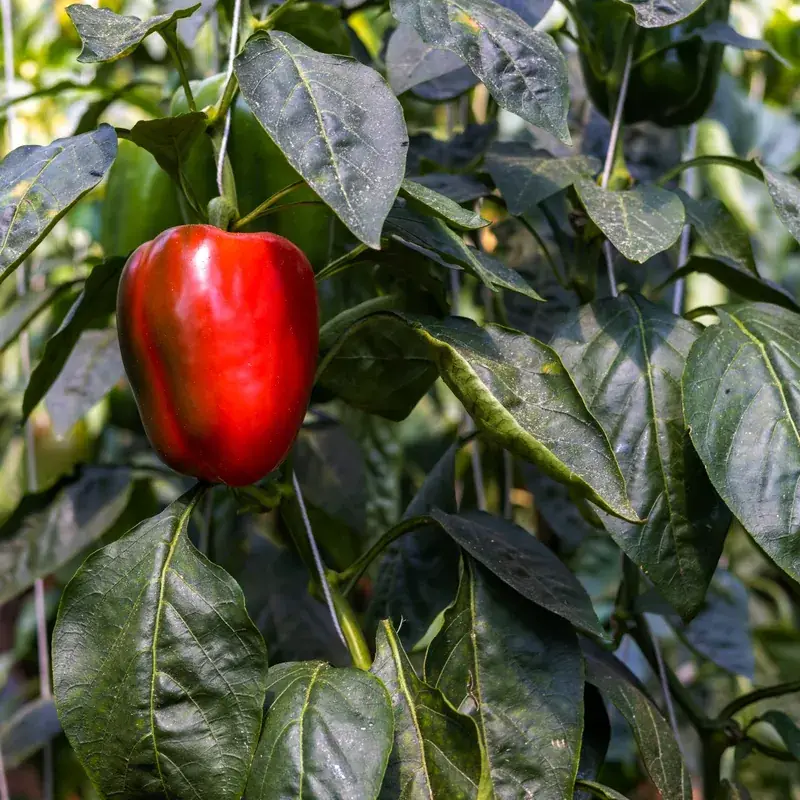
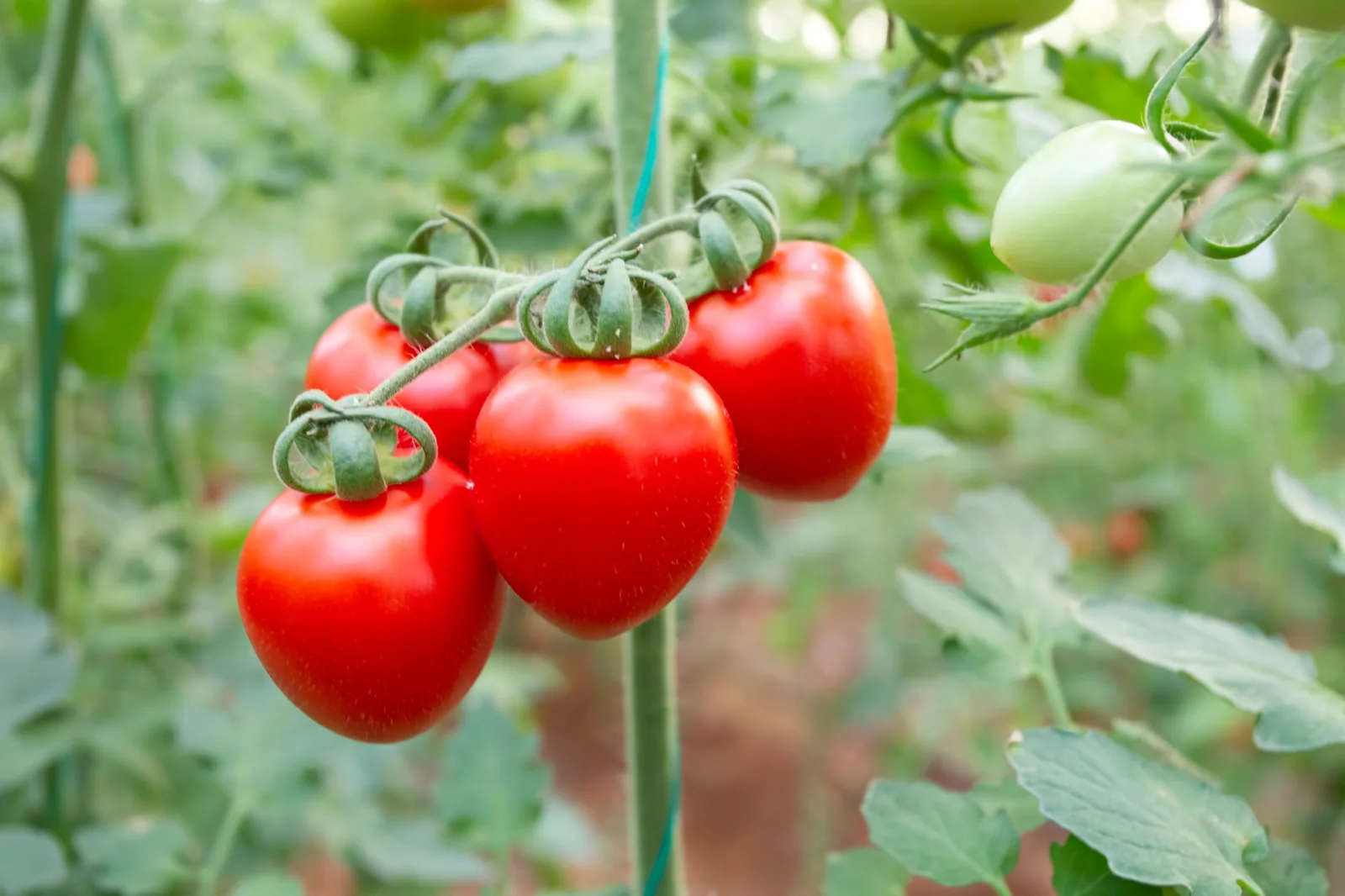
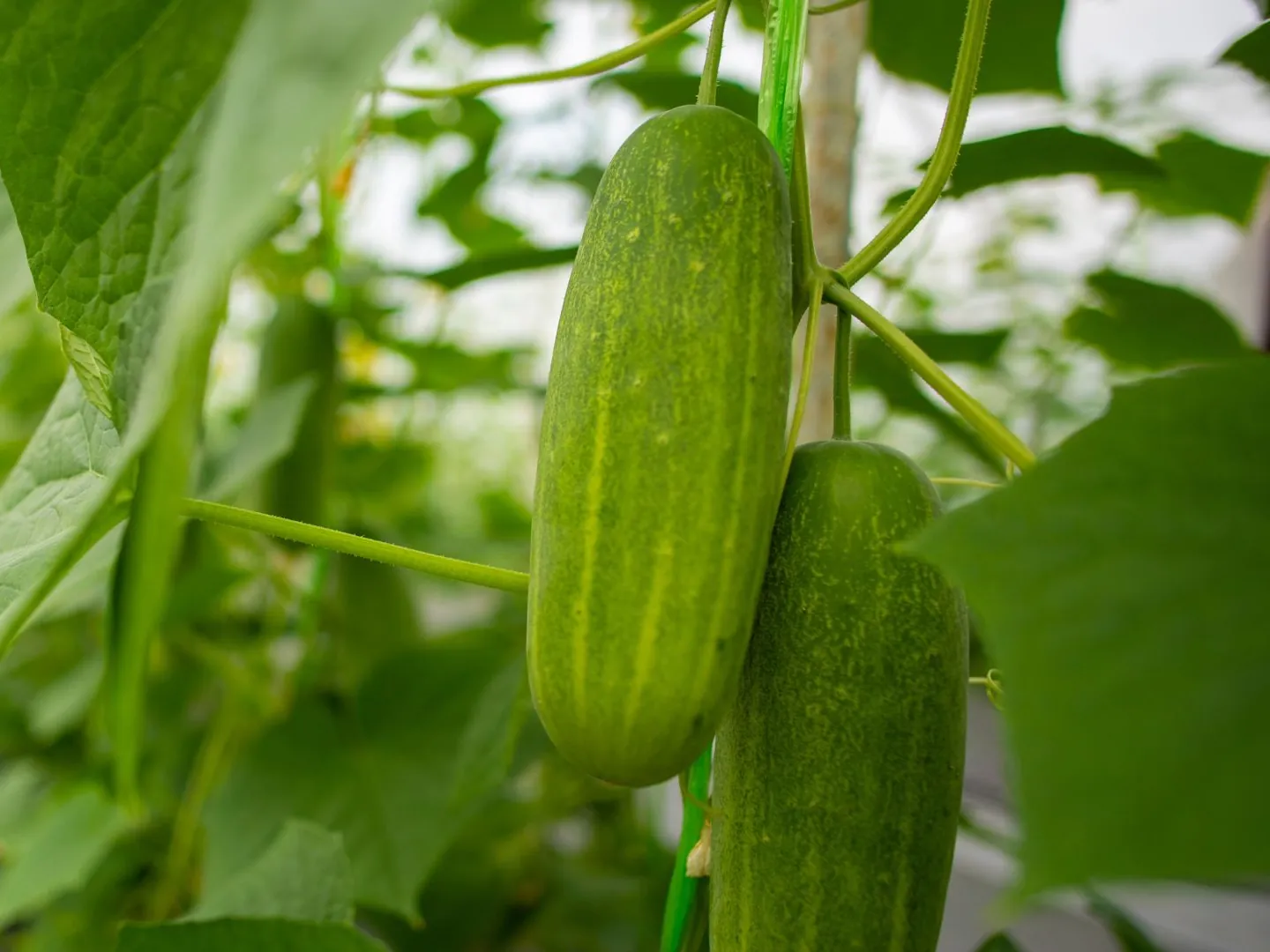
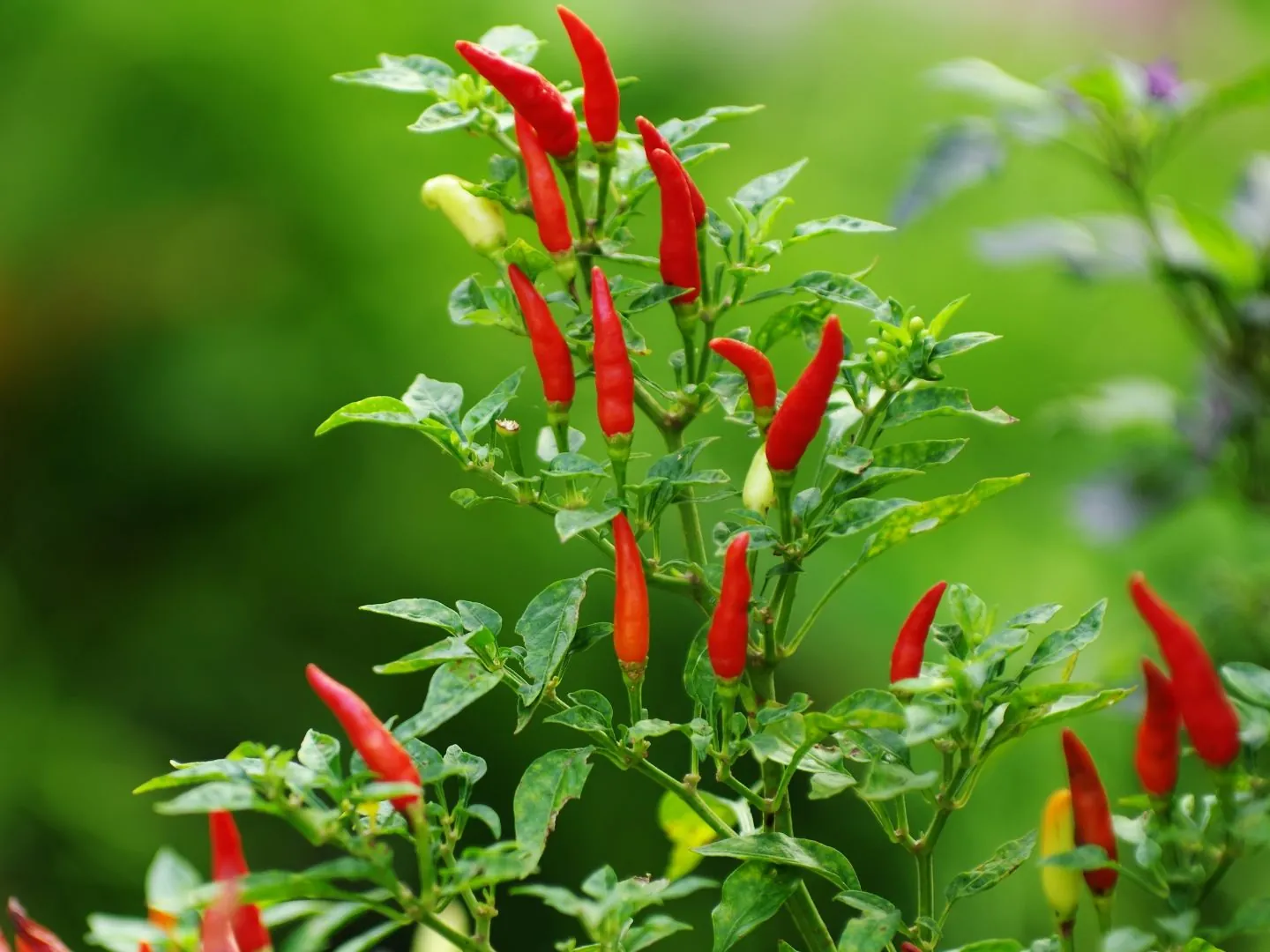
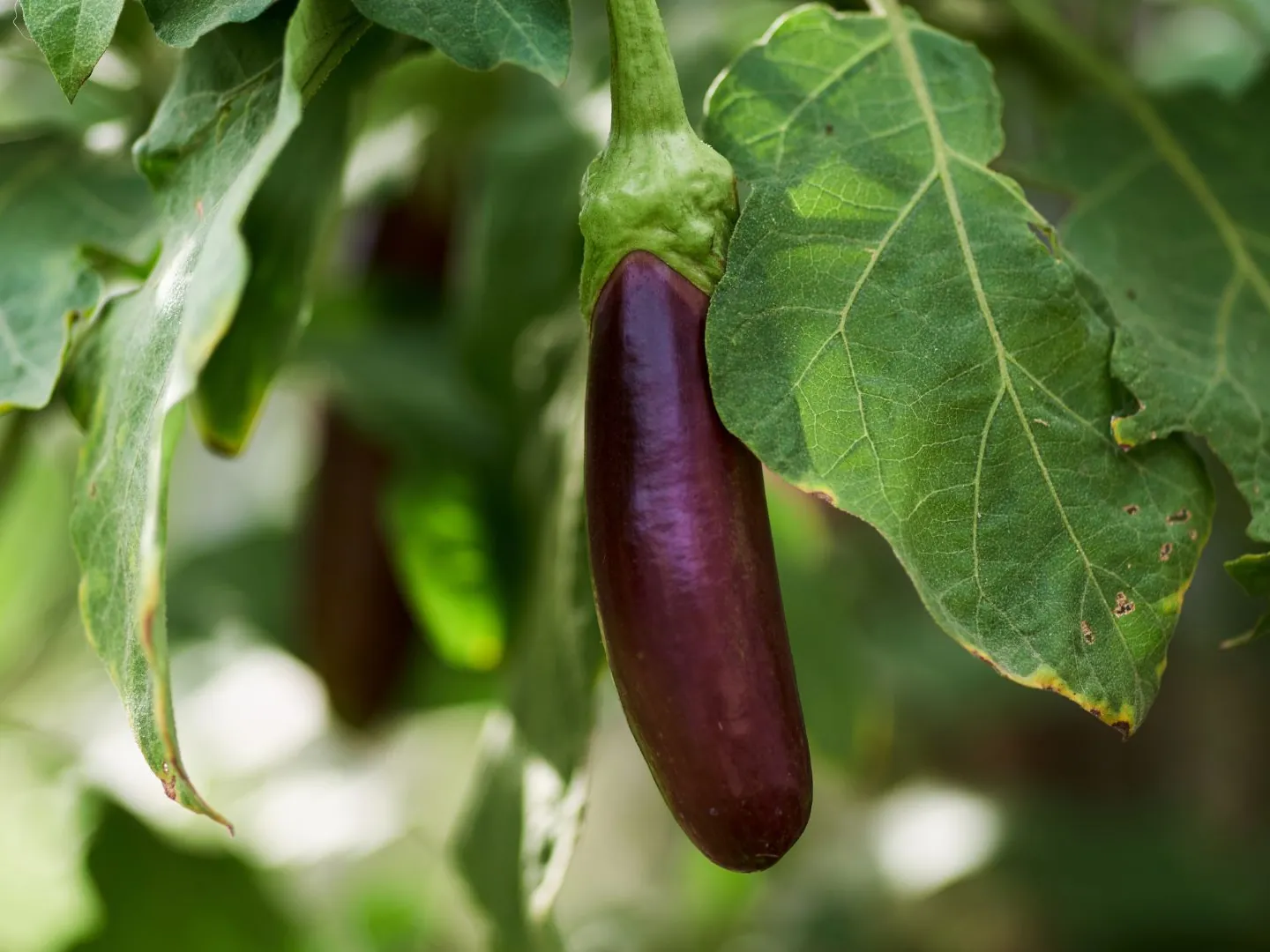
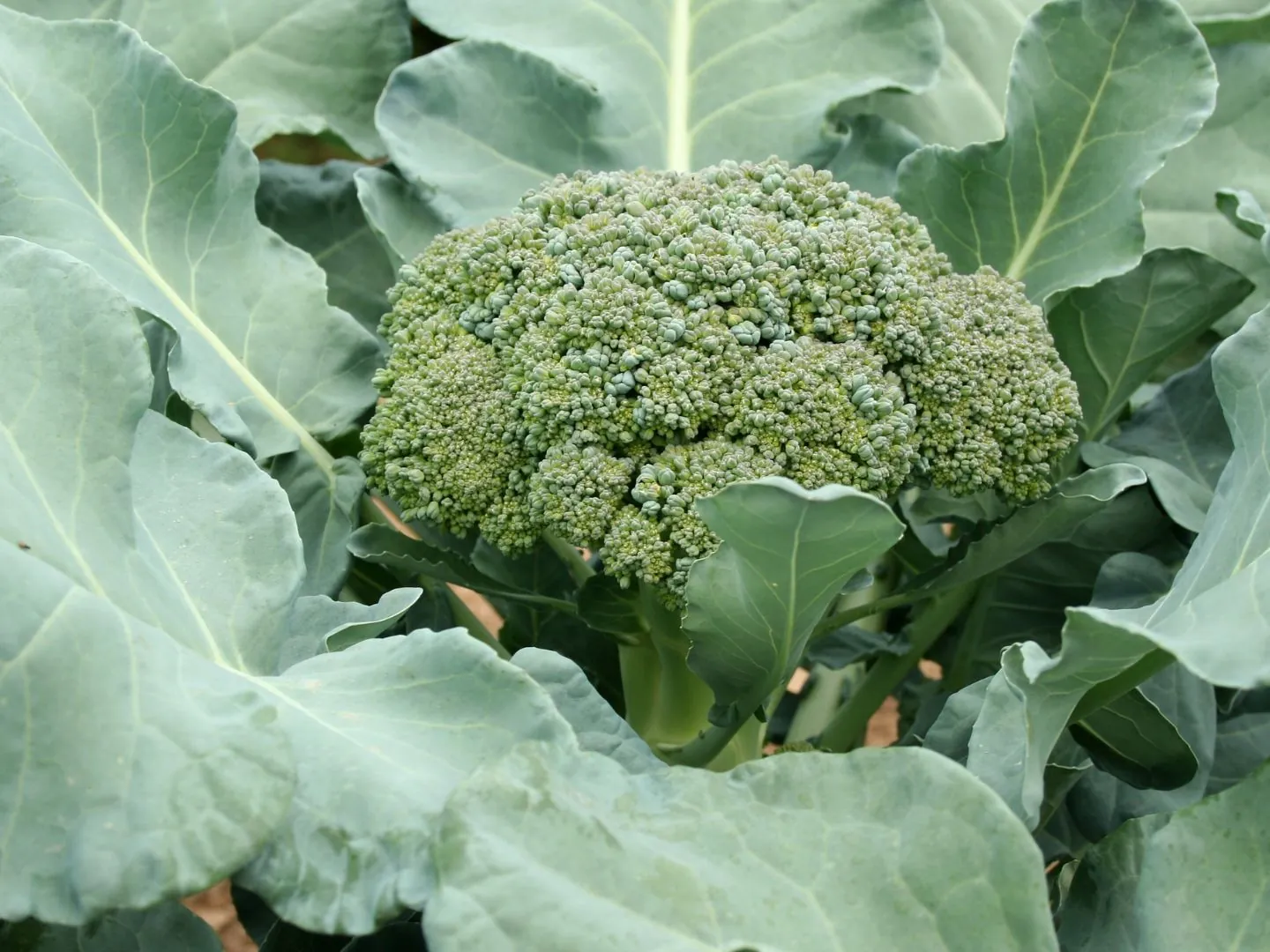
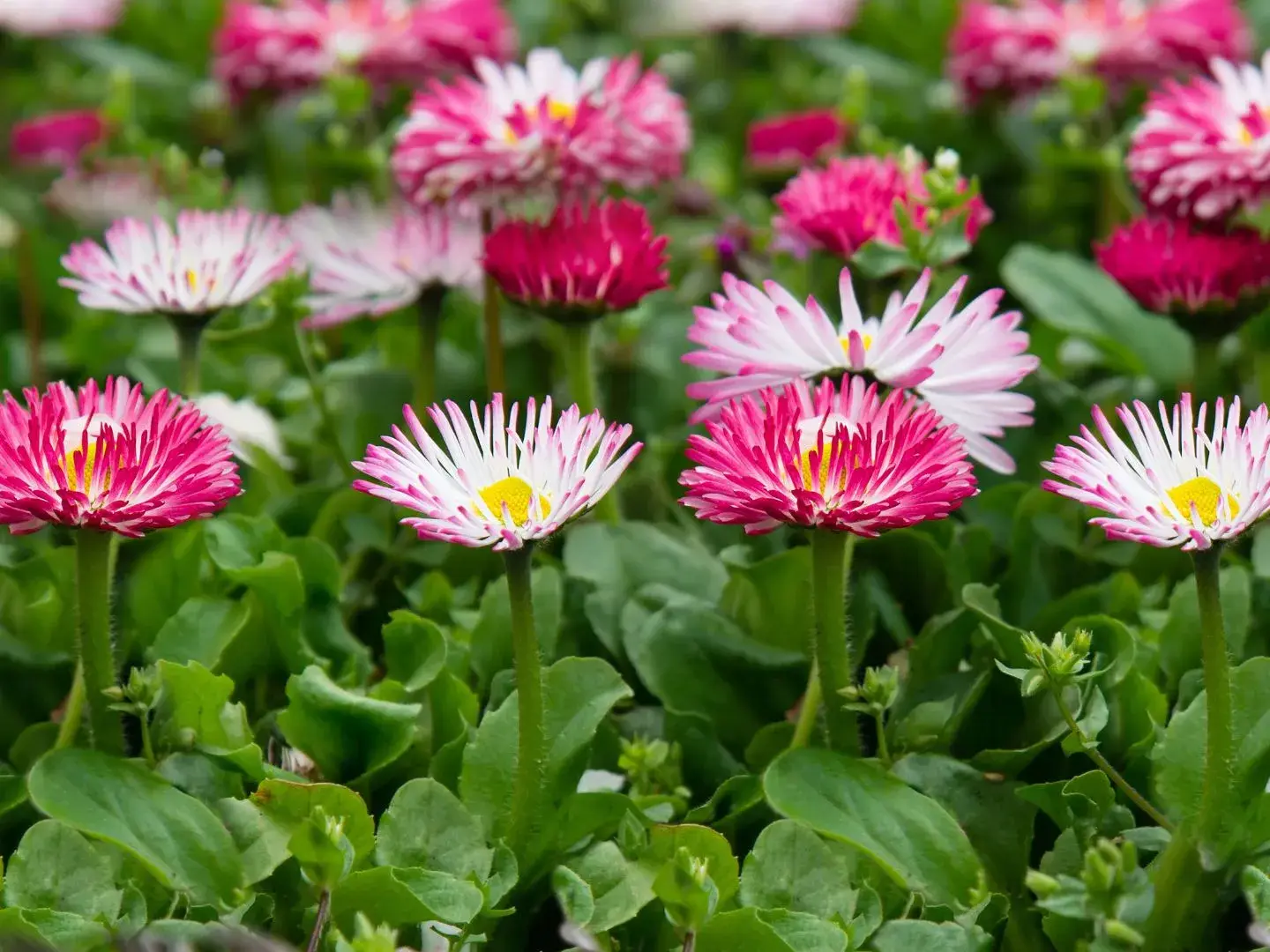
Long-season fruiting crops and cut flowers give many pickings from one planting, with steady demand from traders, supermarkets and quick commerce. Leafy greens and herbs grow better in NFT.



Subsidy on growbags hydroponics
Subsidy for your growbag farm
The polyhouse for your growbag farm, built to National Horticulture Board (NHB) and National Horticulture Mission (NHM) norms can apply for government subsidy, and the project can use an AIF loan. A bank loan is usually part of the project, and the subsidy is paid after the project is checked.

NHB subsidy provider
Kryzen is a registered National Horticulture Board subsidy provider for all states.

NHM state subsidy provider
Enrolled with the National Horticulture Mission in Maharashtra and Karnataka for state horticulture schemes.
Project report for your bank
We prepare the detailed project report (DPR) your bank and subsidy file need, with cost, finance and profit projections.
Subsidy amounts depend on the scheme, your state and current government guidelines. The final decision is made by the government department.
How we build
From first call to first harvest
Ten steps in three phases, with one team from start to finish. Most growbag farms are built in 45 to 90 days after material reaches the site.

Phase 1Plan Consultation, site inspection, design and finance
- 1
Free online consultation
We discuss your land, water, budget and goals on a video or phone call.
- 2
Site inspection
Our team checks level, slope, sunlight, soil, water, power and road access.
- 3
Design and quotation
We design for your climate, crops and hydroponic system, and share a detailed quotation.
- 4
Project report and finance
We prepare the DPR for your bank loan and subsidy file.
- 5
Subsidy and loan
We help you apply for NHB or NHM subsidy and your bank loan.
- 1
Phase 2Build Manufacturing, construction and handover
- 6
Manufacturing
We cut, shape and quality-test the material at our factory in Satara.
- 7
Construction
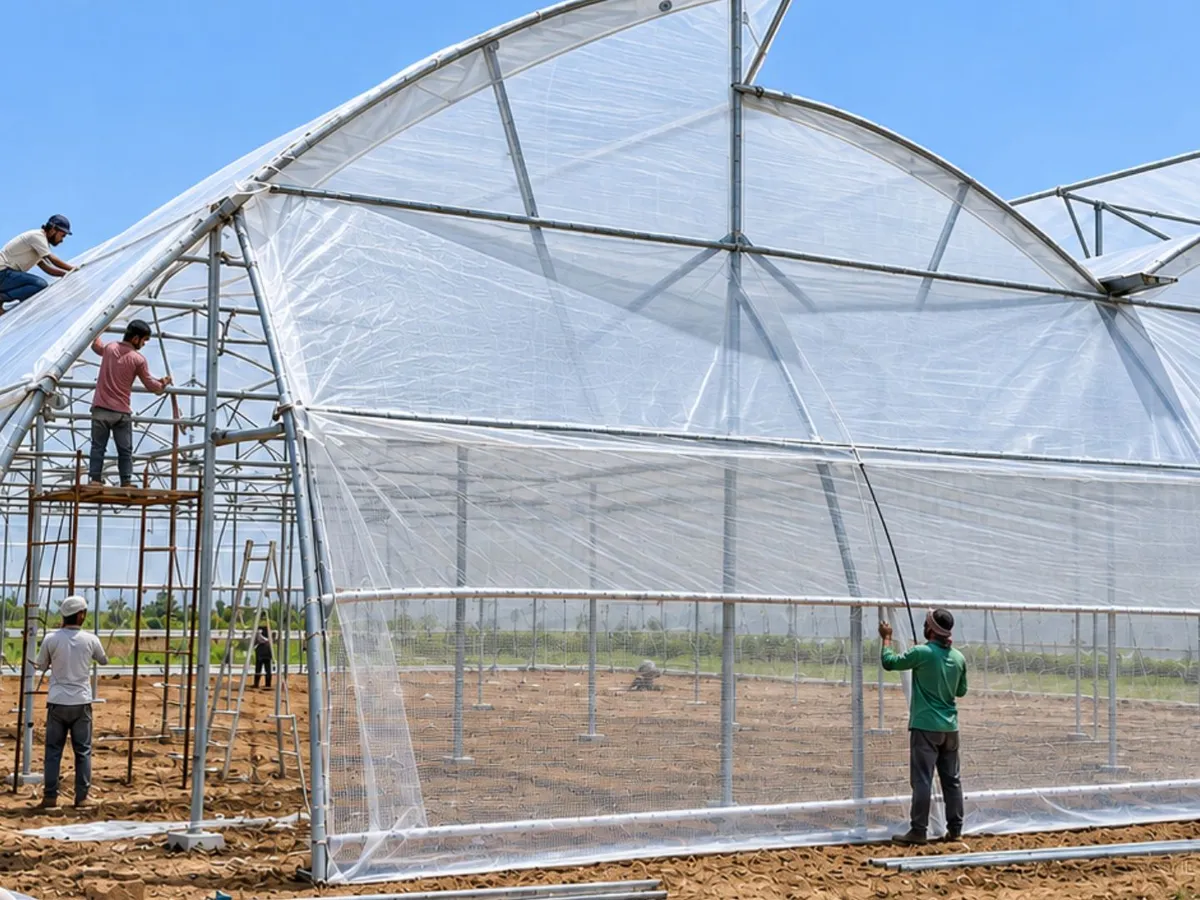
Our team builds the foundations, structure and hydroponic systems on your land.
- 8
Testing and handover
We test every pump, line and dripper and hand over a working farm.
- 6
Phase 3Grow Training, agronomy and selling
- 9
Training and agronomy
Hands-on training for your team and 6 months of virtual agronomy support.
- 10
Harvest management
We help you plan harvests, grading and sales, with prices from Price Watcher and buyers through Buyers Connect.
- 9

Learn hydroponics
Want to learn hydroponics? Join the Hydroponic Masterclass
Our online course takes you from the basics of soil-less farming to running a profitable hydroponic farm, taught by the founders of Kryzen.
Everything in one course
System design, nutrient management, crop cultivation, protected farming, greenhouse operations and building a hydroponics business.
Learn your way
On-demand videos, practical farm experience and live Q&A sessions, on any device.
Taught by growers
Sudhir Devkar and Priya Devkar, engineers who became hydroponic farmers and founded Kryzen.
Lifetime access
Learn at your own pace, with regular content updates and a certificate of completion.
What is cocopeat growbag hydroponics?
Plants grow in UV-stabilised bags of washed cocopeat instead of soil, and a drip system feeds each plant a measured dose of nutrient water.
Which crops grow best in grow bags?
Fruiting vegetables and cut flowers: capsicum, tomato, cucumber, chilli, brinjal, broccoli, strawberry, gerbera, rose and carnation.
How many plants fit in a growbag farm?
A Kryzen growbag layout fits about 3.7 plants per m², for example 3,744 plants on 1,008 m².
How much does a 1-acre growbag farm cost?
At the rates of a Kryzen growbag quotation, 1 acre comes to about ₹1.09 crore with GST, including the polyhouse. Ask us for a quotation for your site.
How often is the cocopeat changed?
Cocopeat is usually replaced or refreshed between crops to keep the roots healthy. Your agronomist will advise on your crop and water.
Do I need a polyhouse for grow bags?
Yes. Grow bags are used inside a polyhouse, which protects the crop from rain, pests and heat and lets tall crops be trellised.
Is there a subsidy on growbags hydroponics?
The polyhouse can get NHB or NHM subsidy, and the project can use an AIF loan.
Talk to our team
Plan your growbag farm with us
Tell us your land, water and market. We’ll suggest the right growbag layout and crops, and share a detailed quotation.