Crops · Vegetables · Protected cultivation
Cabbage cultivation in polyhouse and hydroponics
Grow firm, clean cabbage heads under protected cultivation, in cocopeat troughs or grow bags fed by drip. Fewer caterpillar and rain losses and a longer cool season, with a farm designed, built and supported by Kryzen.
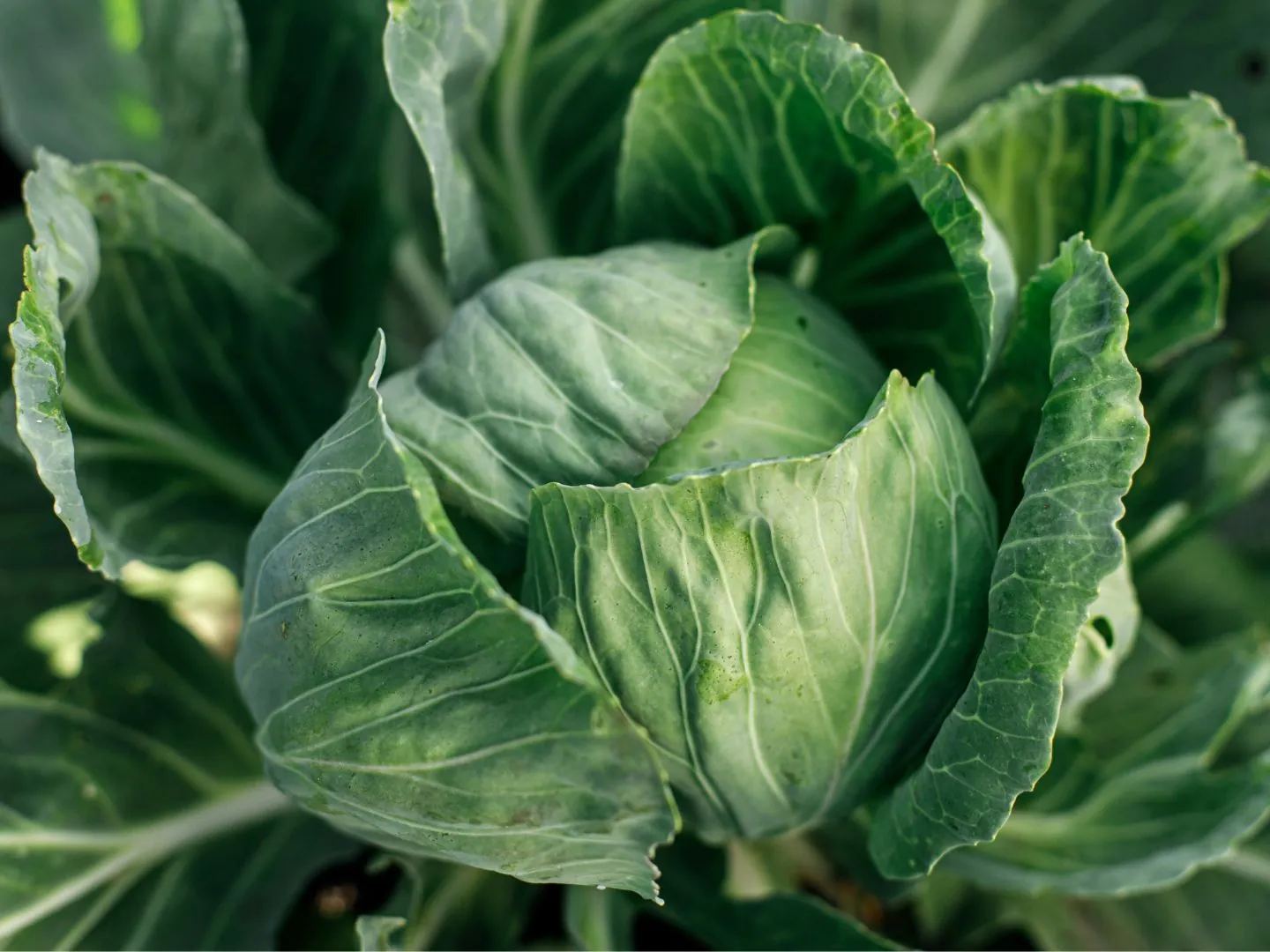
A winter crop
Insect net keeps caterpillars out
Exact drip feeding
Why protected cultivation
Can cabbage be grown in a polyhouse?
Quick answer
Yes, in the cooler months. Cabbage needs mild temperatures to form a firm head. Under a nethouse or naturally ventilated polyhouse, seedlings are planted in cocopeat troughs or grow bags and fed by drip. Heads are ready about 60–90 days after planting.
Insect net keeps out diamondback moth and cabbage butterfly caterpillars, and shade net and vents keep temperature closer to what the crop needs. Soil-free media and drip feeding stop clubroot and give every plant the same water and food.
| Point | 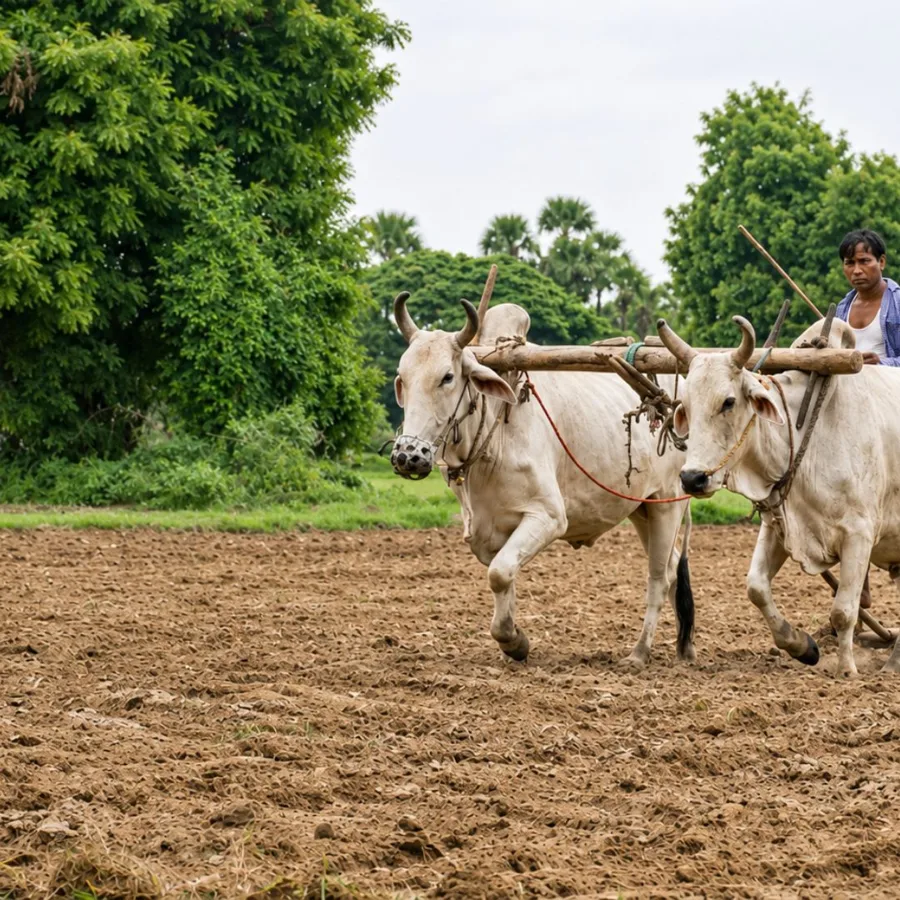 | 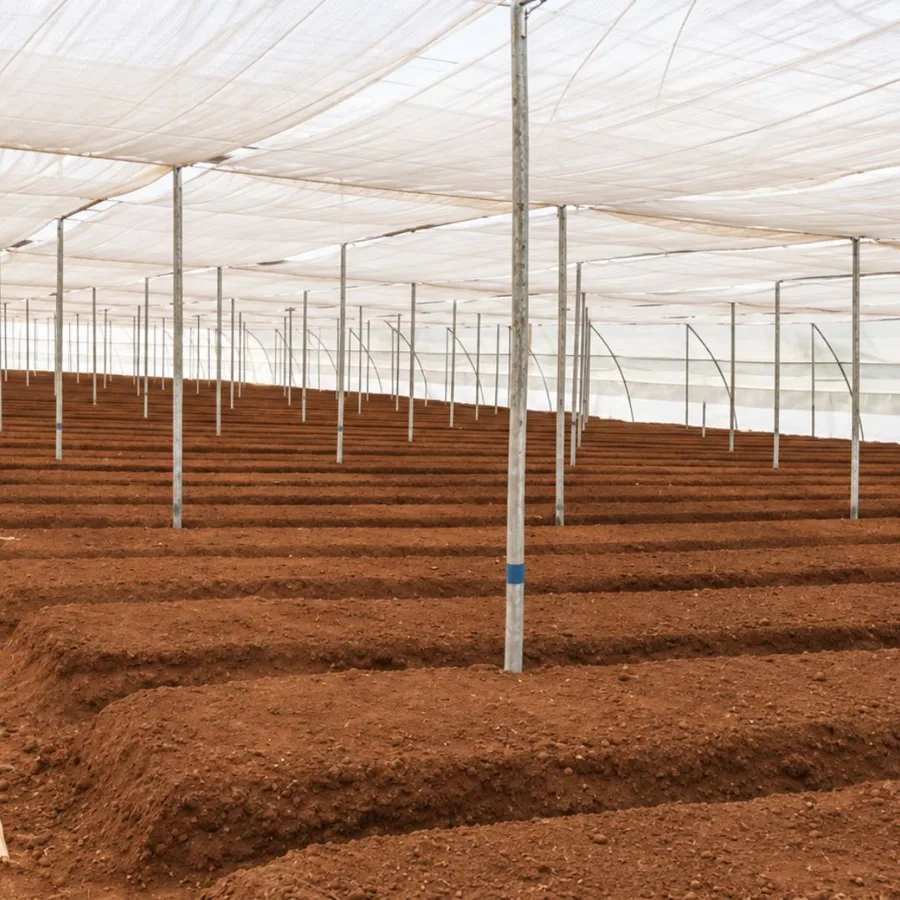 | 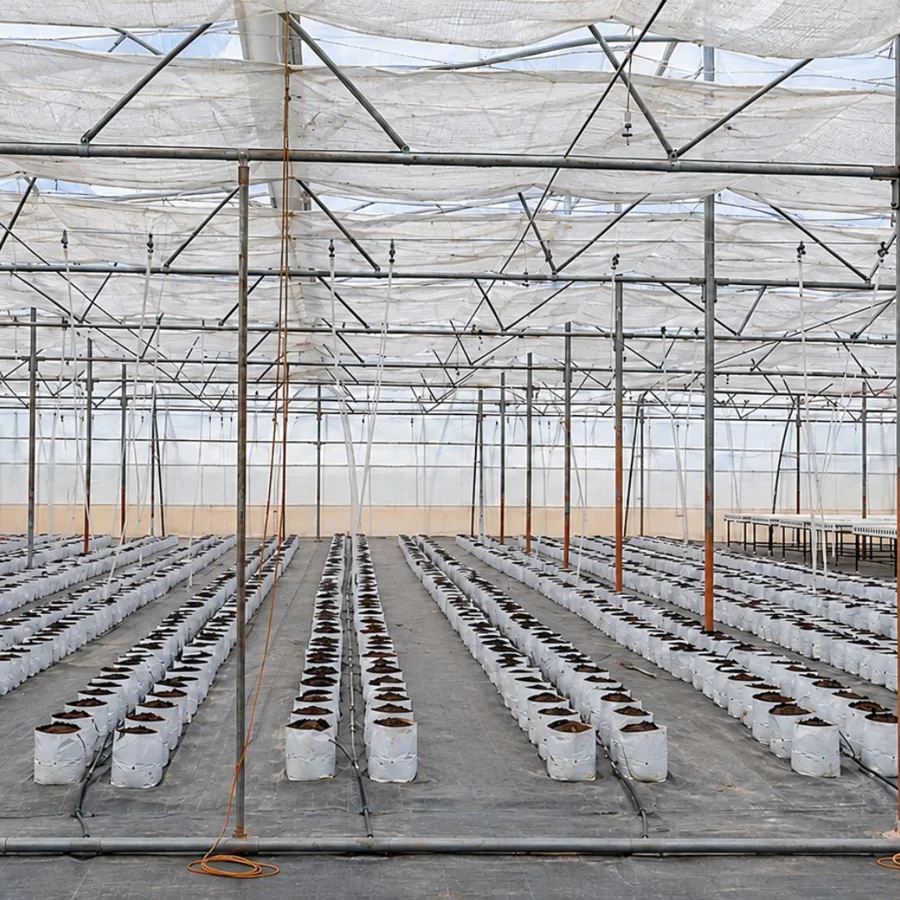 |
|---|---|---|---|
| Season | Winter only | Longer cool season with shade and vents | Longer cool season with shade and vents |
| Head quality | Uneven heads; caterpillar holes | Cleaner, more even heads | Firm, even, clean heads |
| Pests | Diamondback moth and aphids attack freely | Insect net and traps keep pressure low | Insect net and traps keep pressure low |
| Soil diseases | Clubroot and black rot build up in soil | Still a risk; soil disease builds up over cycles | None; clean cocopeat |
| Water and fertiliser | Flood irrigation; much is lost | Drip into soil; some is lost | Exact drip doses to every plant |
| Revenue per acre per cycle | ₹1–2 lakh | ₹2–5 lakh | ₹5–9 lakh |
| Setup cost | Low | Medium | Highest; see your quotation and subsidy |
Expected revenue
How much revenue to expect per acre, per cycle
Expected sales from one acre of cabbage for one crop cycle, and the risks you have to fight with each way of growing.
Open field
₹1–2 lakh
per acre, per crop cycle
Seasonal crop in soil, exposed to rain, heat and pests.
Risks11 risks to fight
- Insect attack
- Climate attack
- High cost of fertiliser
- High cost of water
- High cost of labour
- Cost of pesticides
- Cost of growth boosters
- Cost of land preparation
- Mulching paper
- Uneven quality
- Unpredictable quantity
Polyhouse + soil-based growing
₹2–5 lakh
per acre, per crop cycle
Protected crop planted in soil beds with drip irrigation.
Risks5 risks to fight
- Insect attack (avoided)
- Climate attack (avoided)
- High cost of fertiliser (avoided)
- High cost of water (avoided)
- High cost of labour
- Cost of pesticides
- Cost of growth boosters
- Cost of land preparation
- Mulching paper
- Uneven quality (avoided)
- Unpredictable quantity (avoided)
Polyhouse + hydroponics
₹5–9 lakh
per acre, per crop cycle
Protected crop in cocopeat with drip fertigation.
RisksNone of these risks
- Insect attack (avoided)
- Climate attack (avoided)
- High cost of fertiliser (avoided)
- High cost of water (avoided)
- High cost of labour (avoided)
- Cost of pesticides (avoided)
- Cost of growth boosters (avoided)
- Cost of land preparation (avoided)
- Mulching paper (avoided)
- Uneven quality (avoided)
- Unpredictable quantity (avoided)
Struck-through risks are ones that protected cultivation takes away. Revenue depends on variety, season, market price and how well the crop is managed. Our team prepares a crop projection for your farm before you build.
Where it grows
Best growing systems for cabbage
Cabbage is a low, leafy crop with a single head. It grows in cocopeat troughs or grow bags with drip.
 Most used
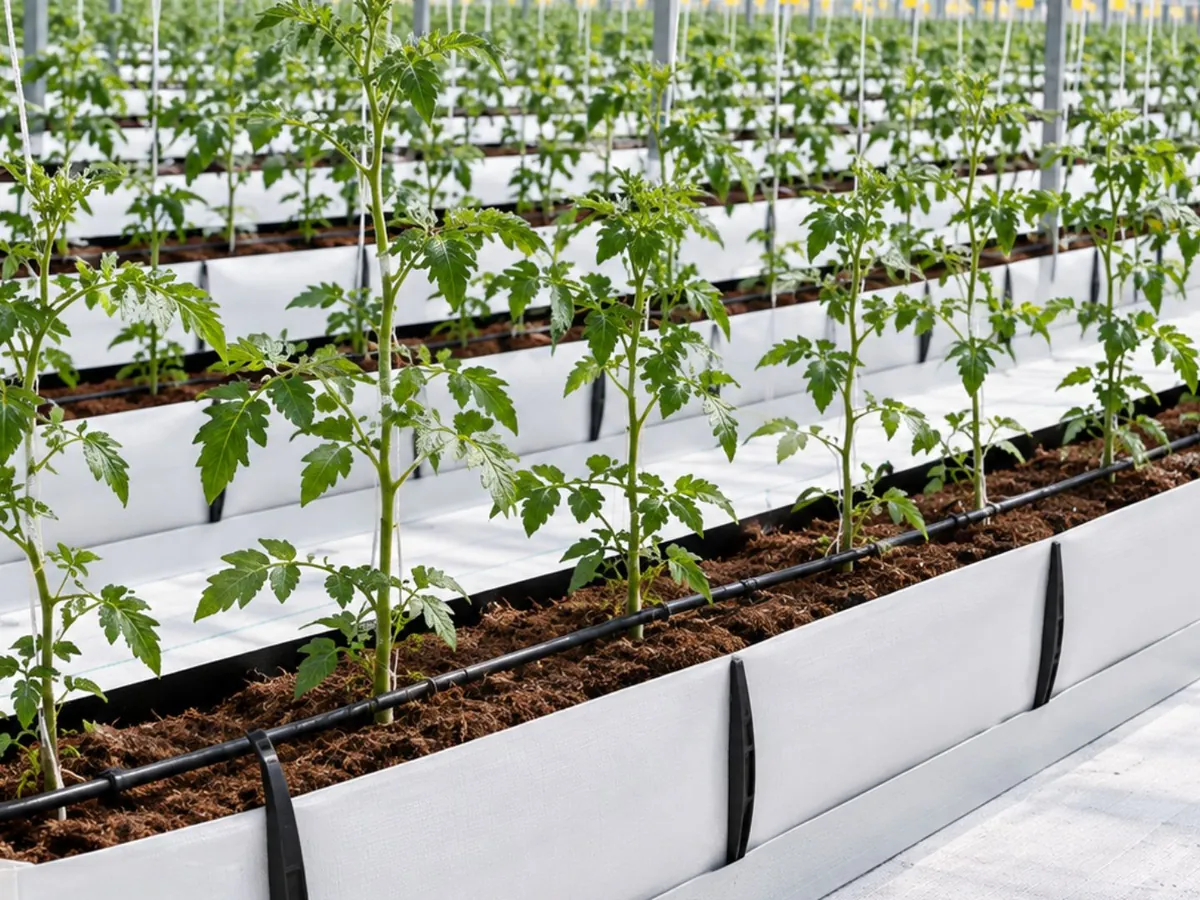
Trough
Long cocopeat troughs on the ground suit close-spaced rows of cabbage.
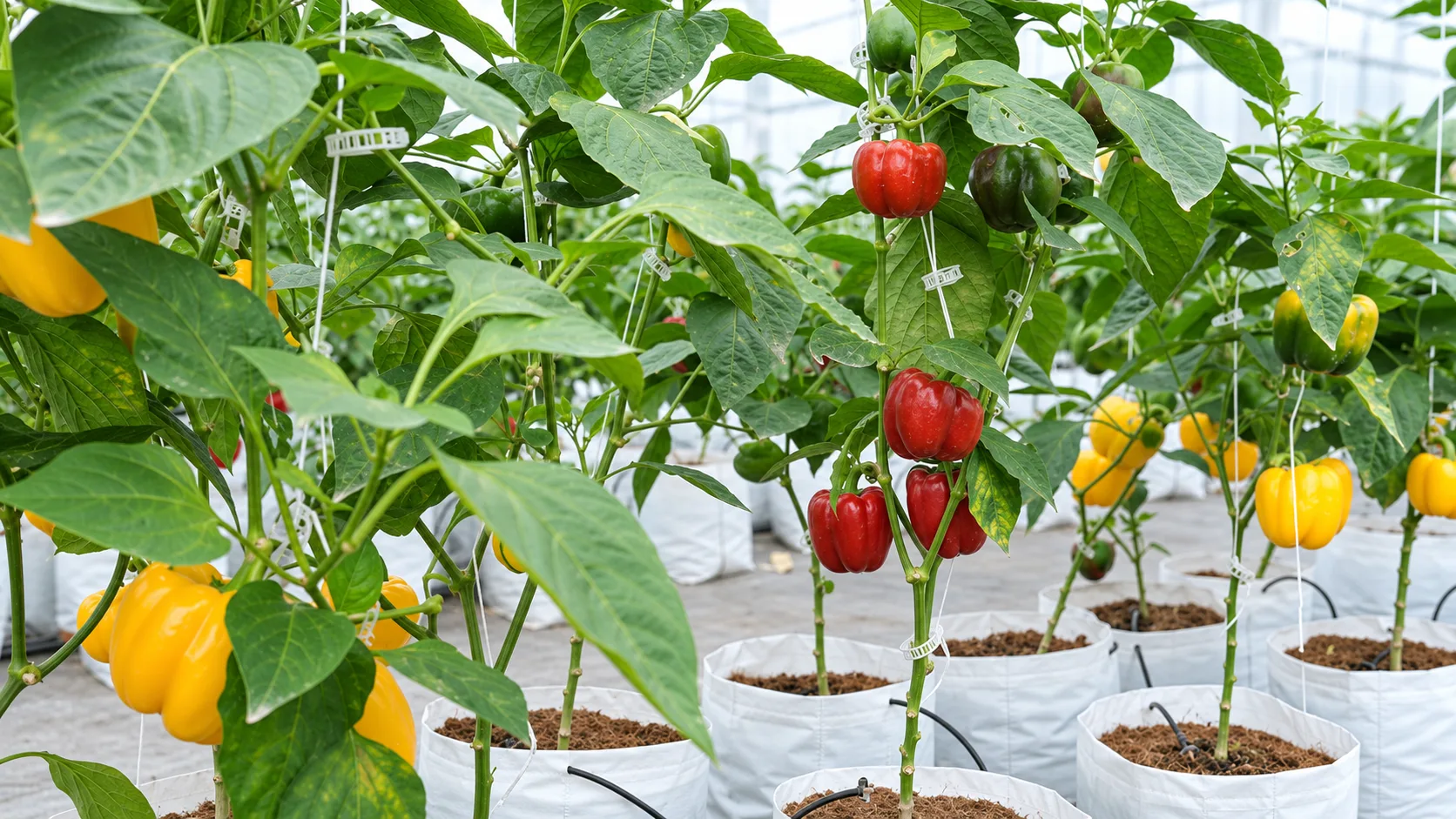
Cocopeat grow bags
Washed cocopeat bags fed by drip, easy to move between crops.
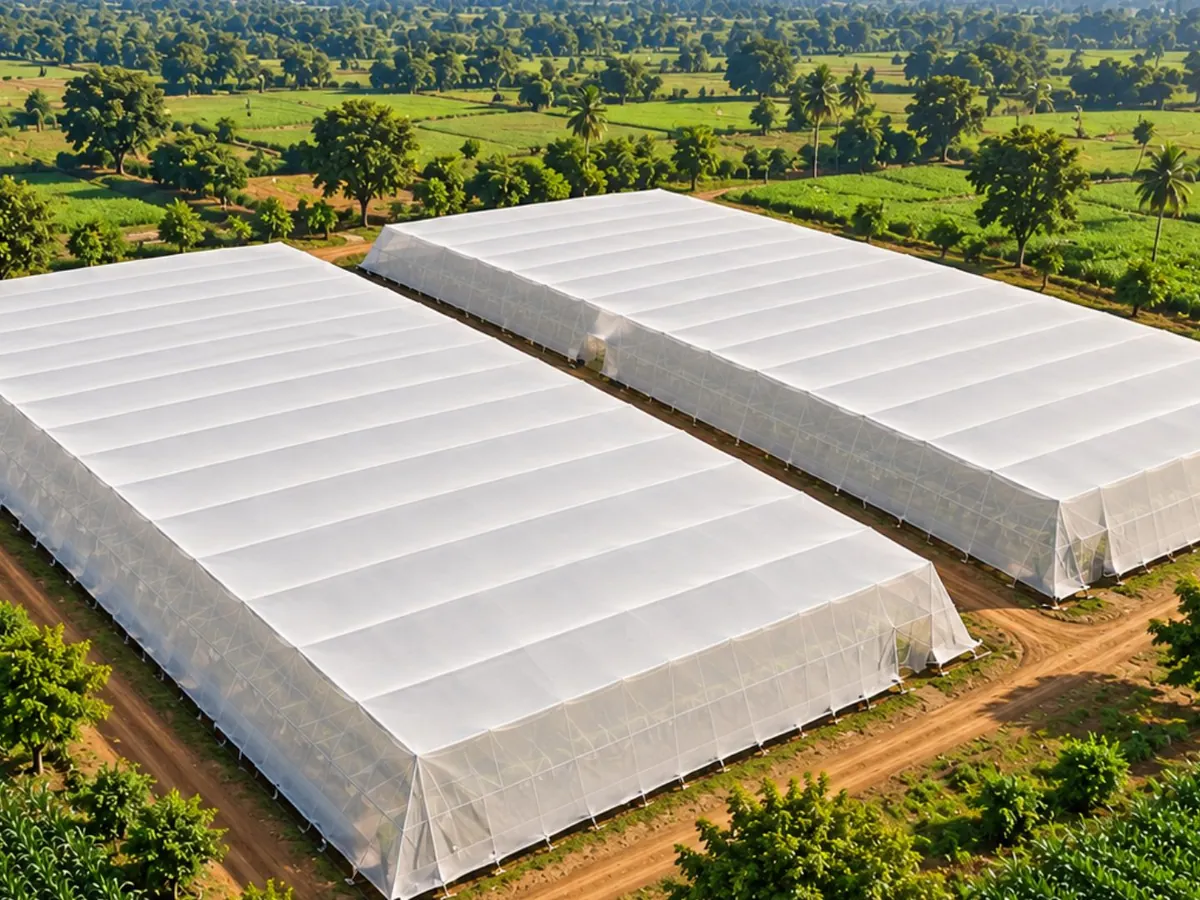
Inside the right polyhouse

What to plant
Types of cabbage grown in polyhouses
Most farms grow green cabbage for everyday markets. Red and Chinese cabbage sell at higher prices to hotels and retail in smaller volumes.
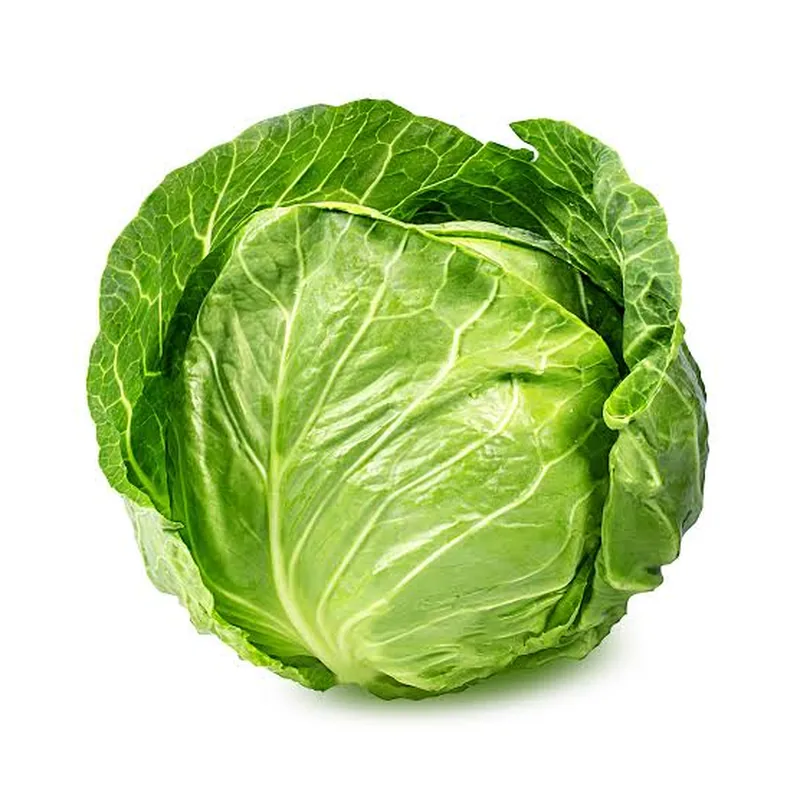
Green cabbage
Round, firm green heads for everyday markets and wholesale.
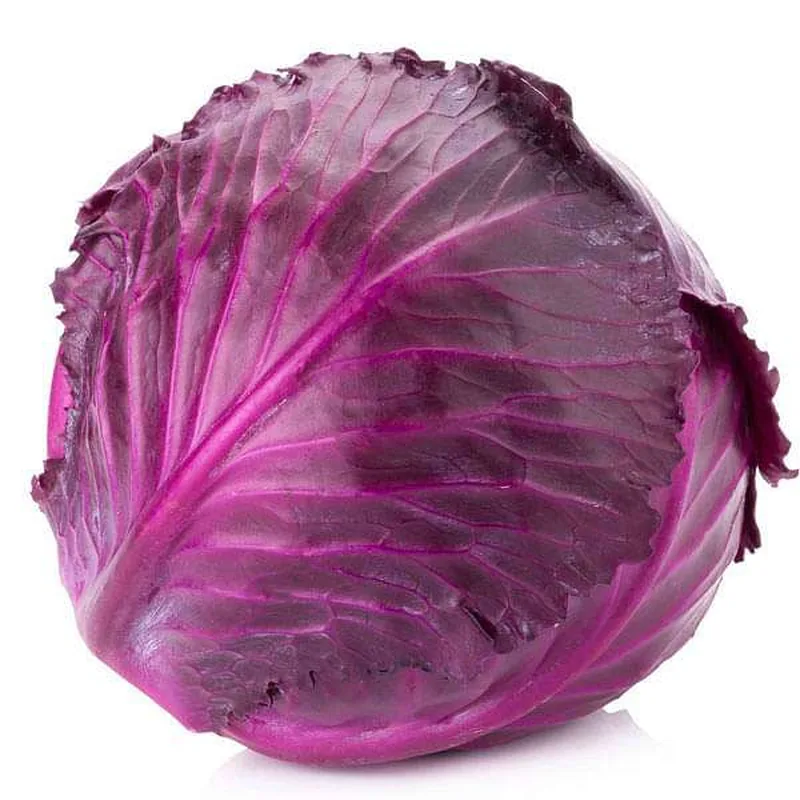
Red cabbage
Purple-red heads for salads, hotels and premium retail.
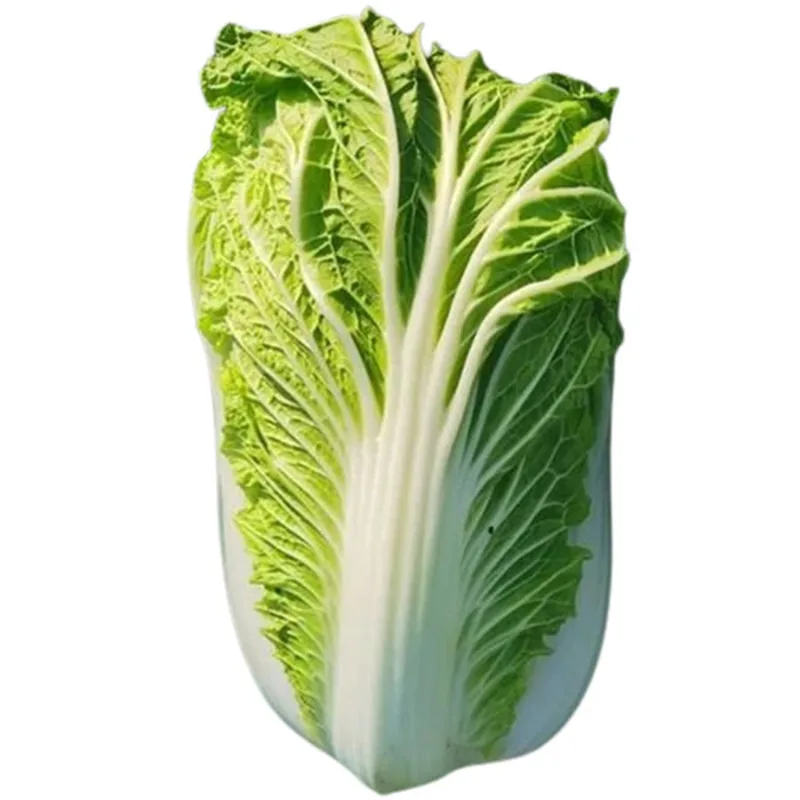
Chinese cabbage
Tall, tender heads for Asian cooking, hotels and retail.
Climate and feeding
Ideal growing conditions for cabbage
A polyhouse lets you hold these ranges for most of the year. Vents, shade nets, foggers or fan and pad cooling keep heat in check, and drip fertigation sets the feed. Values are from the Kryzen Plant Wiki.
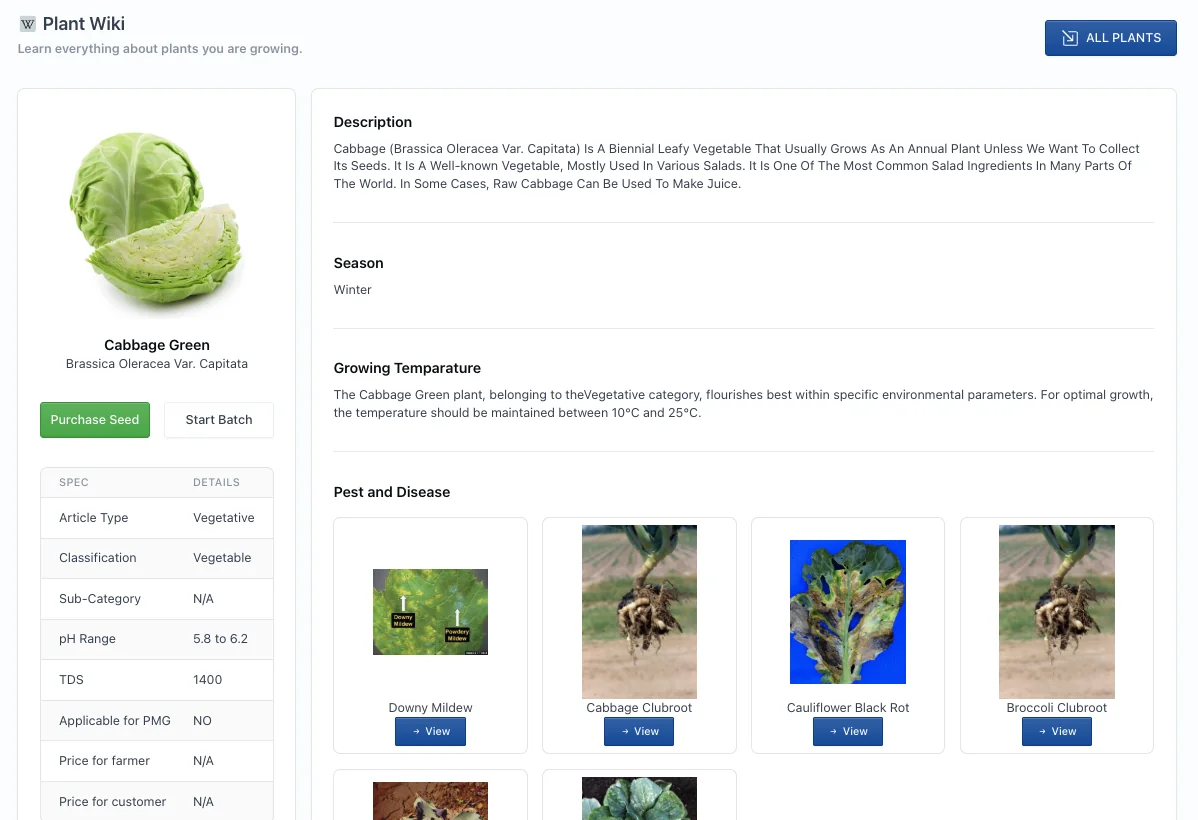
Cabbage Green in the Kryzen Plant Wiki on alpha.kryzen.com, prepared by an experienced agronomist with more than 35 years of work and hands-on experience across 100+ crop cycles. See the Agronomy Wiki.
| Factor | Ideal range for cabbage |
|---|---|
| Season | Winter; October–February in most of India |
| Growing temperature | 10–25 °C |
| Relative humidity | 60–80% |
| Feed TDS | About 1,400 ppm |
| Feed pH | 5.8–6.2 |
| Plant density | 3–4 plants per m² |
| Spacing | About 45 cm between plants |
| Growing media | Low-EC washed cocopeat |
Crop cycle
From seedling to last harvest
One cabbage crop takes about 3–4 months from nursery to harvest.
- 01
25–30 days
Nursery
Seedlings are raised in protrays of cocopeat, often on ebb and flow benches, until they have 4–5 true leaves.
- 02
Day 0
Transplanting
Healthy seedlings are planted into troughs or bags and the drip is set for young plants.
- 03
Weeks 1–5
Leaf growth
The plant builds its outer leaves. Steady nitrogen and water now decide head size.
- 04
Weeks 5–9
Head forming
Inner leaves fold into a head. Even watering stops heads from splitting.
- 05
60–90 days
Harvest
Heads are cut when they are firm, depending on variety.
- 06
After harvest
Clean-up
Plant waste is removed and the troughs or bags are cleaned for the next crop.
Plant protection
Common cabbage pests and diseases
A polyhouse with insect net, double doors and sticky traps keeps most problems out. Catch the rest early. See the Agronomy Wiki for full guides.
| Pest or disease | What you see | How to prevent it |
|---|---|---|
| Diamondback moth and cabbage butterfly | Holes in leaves and heads | Insect net, pheromone traps, check plants twice a week |
| Aphids | Sticky, curled leaves | Yellow sticky traps, remove weeds, early control |
| Downy mildew | Yellow patches on top of leaves, grey growth below | Avoid humidity swings, open vents in the morning |
| Black rot | V-shaped yellow patches from leaf edges | Clean seedlings, no overhead watering, remove infected leaves |
| Clubroot | Swollen roots and stunted plants in soil | Soil-free cocopeat avoids it |
| Head splitting | Heads crack open before harvest | Even watering, harvest on time |
Harvest and selling
Pick, grade and sell
Careful picking and grading decide the price you get.
- Cut when firmCut heads when they feel firm and solid when pressed, before they split.
- Keep wrapper leavesLeave 2–3 outer leaves on the head to protect it in transport.
- Grade by weightSort heads by weight so buyers get even produce and you get a better price.
- Sell with live pricesTrack rates on Price Watcher and reach buyers through Buyers Connect.
Cost and running
What a cabbage farm needs
Your quotation lists every item, and our team prepares a cabbage crop projection for your farm before you build.
Steady power
Drip runs on a timer. We connect your generator or solar backup for long power cuts.
Good water
A water test before you start tells us how to plan the nutrient solution.
Daily EC and pH checks
Check the feed and the run-off every day and adjust the dose for the crop stage.
Trained workers
Planting, checking for pests and cutting heads at the right stage. We train your team for 4 days at the start.
Plan your doses and your sales
Use the nutrient calculator to plan feeds for each stage. Current prices from Price Watcher go into your project report, and Buyers Connect helps you sell after harvest.
Included free
- 6 months of virtual agronomy
- 4-day training for your farm team
- Hydroponic Masterclass logins
- Farm management software
- Buyers Connect
Worth ₹1.08 lakh
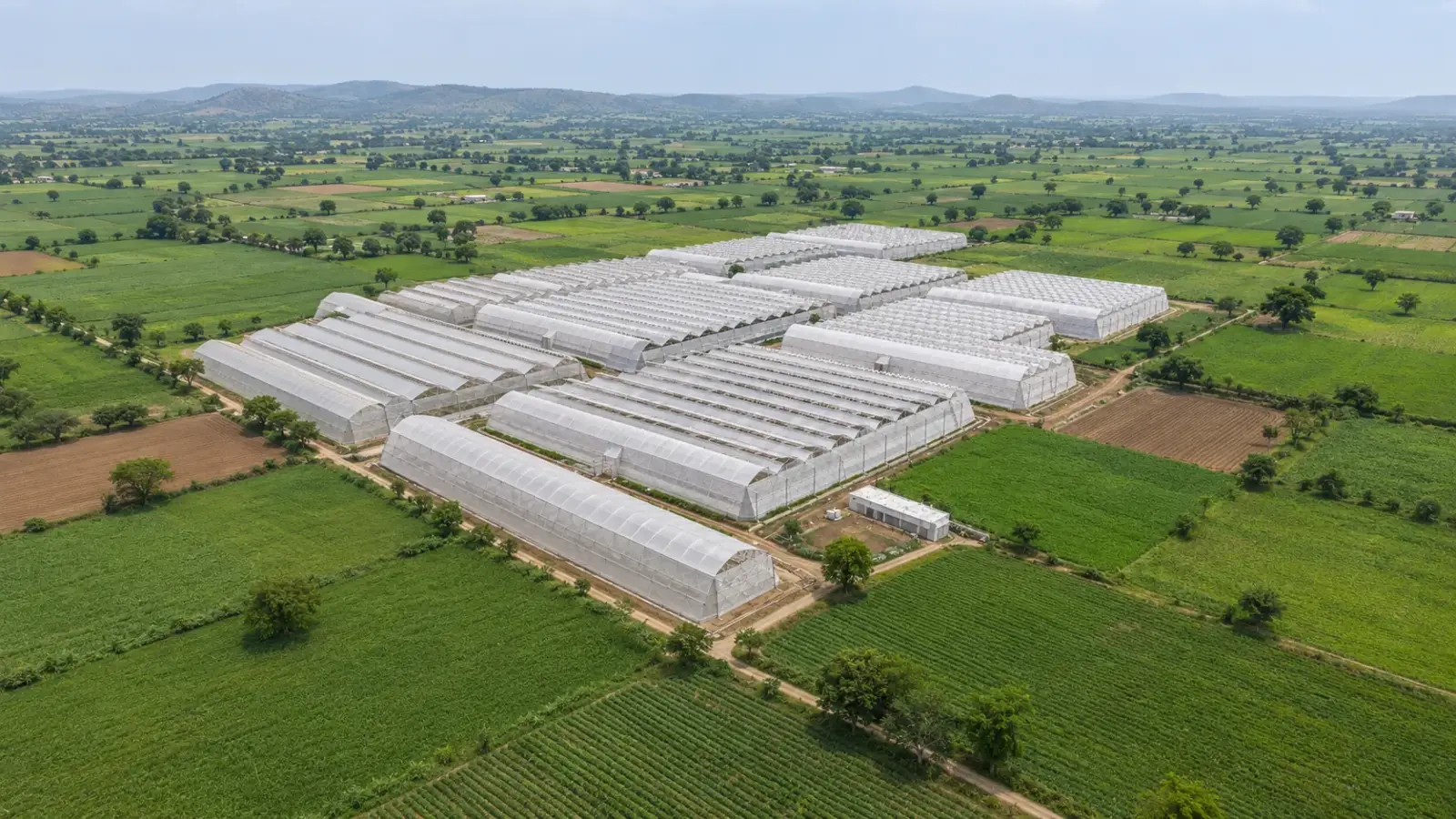
Kryzen fully managed farm
Plan a managed mega farm with Kryzen
Starting at 10 acres+
Ready to invest in 10 acres or more of protected cultivation? We help you set up the farm, run it and find a market for the produce.
- We set it upSite survey, design, construction and all farm buildings.
- We run itOur agronomists and trained team manage every crop cycle.
- We find the marketBuyers for your produce through Buyers Connect.
Why you should plan it
- Up to ₹2–2.5 crore a yearIncome potential from a 10-acre managed protected cultivation farm.
- Tax-free agricultural incomeAgricultural income is exempt from income tax under Section 10(1).
- 35% project subsidySupport on the project cost under eligible government schemes.
- AIF: 3% loan interest subsidyInterest subvention on your project loan under the Agriculture Infrastructure Fund.
- 10-year concession periodA long-term agreement for running and managing the farm.
- Build-Operate-TransferWe build the farm, operate it and transfer it to you.
Subsidy and finance
Subsidy for your cabbage polyhouse
Polyhouse projects built to National Horticulture Board (NHB) and National Horticulture Mission (NHM) norms can apply for government subsidy. A bank loan is usually part of the project, and the subsidy is paid after the project is checked.

NHB subsidy provider
Kryzen is a registered National Horticulture Board subsidy provider for all states.

NHM state subsidy provider
Enrolled with the National Horticulture Mission in Maharashtra and Karnataka for state horticulture schemes.
Project report for your bank
We prepare the detailed project report (DPR) your bank and subsidy file need, with cost, finance and profit projections.
Subsidy amounts depend on the scheme, your state and current government guidelines. The final decision is made by the government department.
How we build
From first call to first harvest
Ten steps, one team. Most projects are built in 45 to 90 days after material reaches the site.
 1
Free online consultation
We discuss your land, water, budget and goals on a video or phone call.
 2
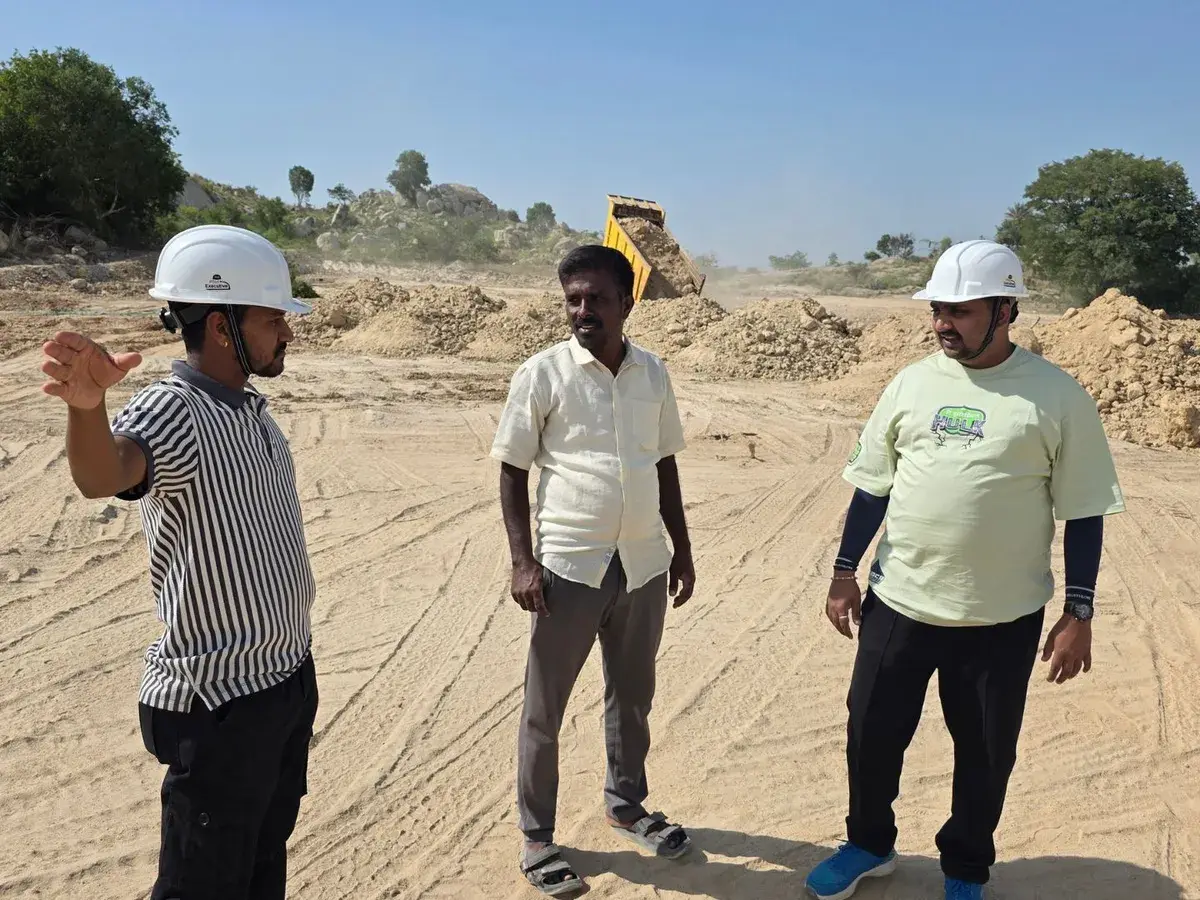
Site inspection
Our team checks level, slope, sunlight, soil, water, power and road access.
 3
Design and quotation
We design for your climate and crops, and share a detailed quotation.
 4
Project report and finance
We prepare the DPR for your bank loan and subsidy file.
 5
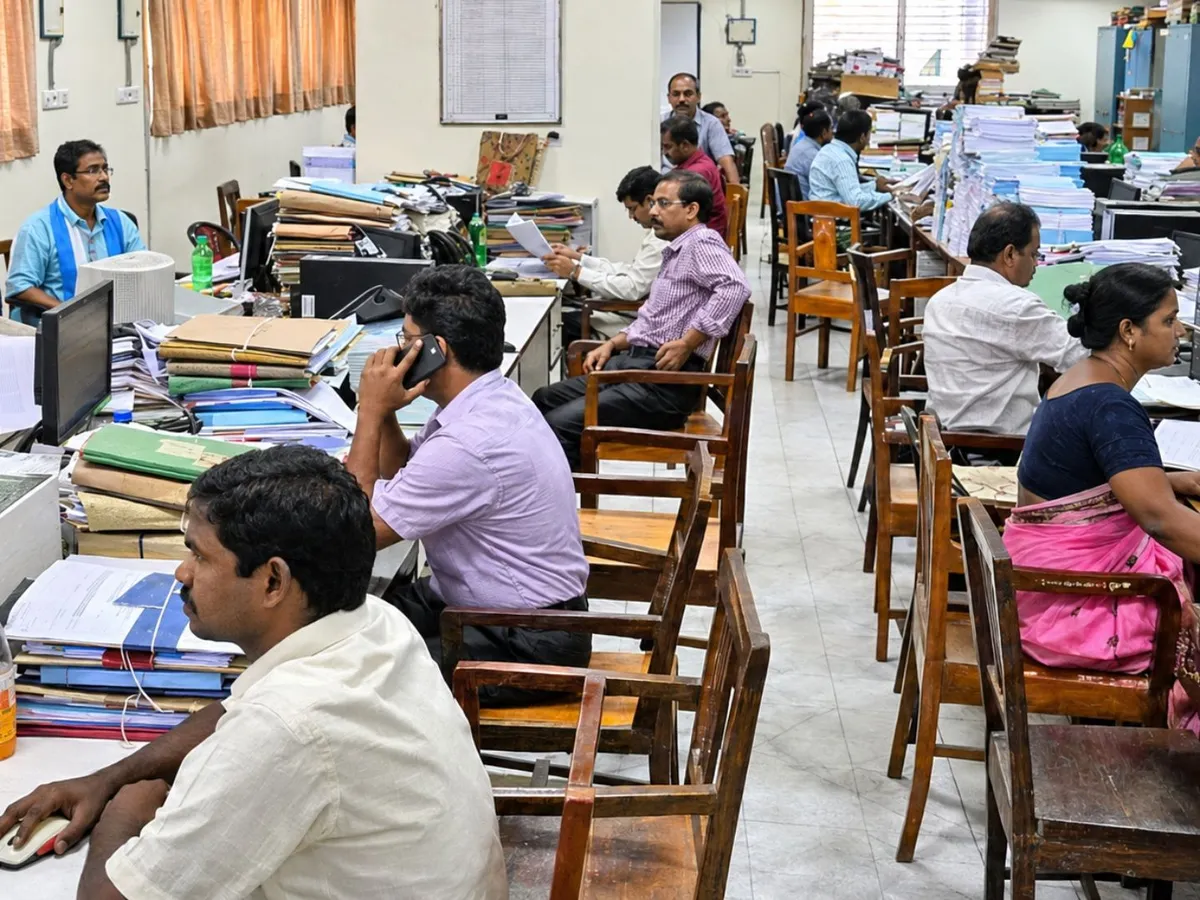
Subsidy and loan
We help you apply for NHB or NHM subsidy and your bank loan, with the documents each office needs.
 6
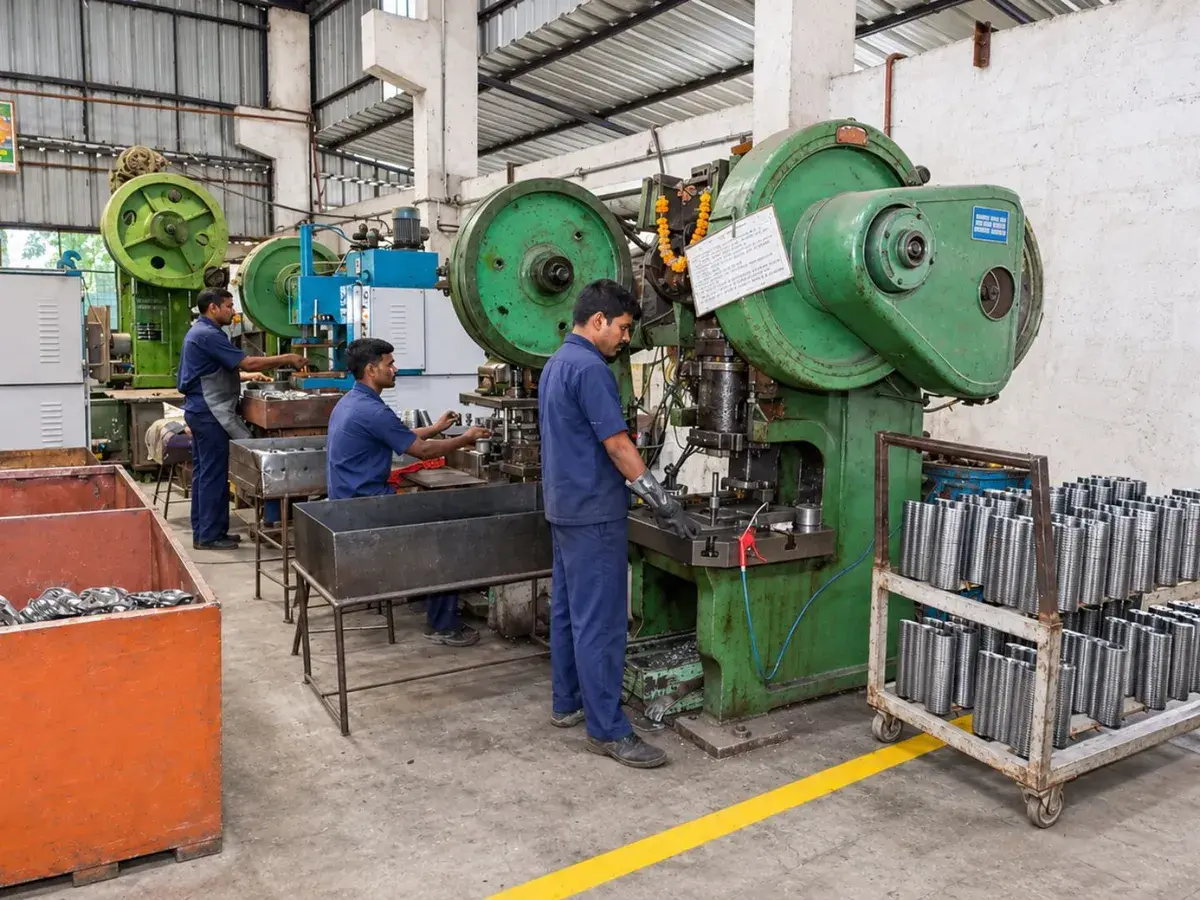
Manufacturing
We cut, shape and quality-test the material at our factory in Satara.
 7
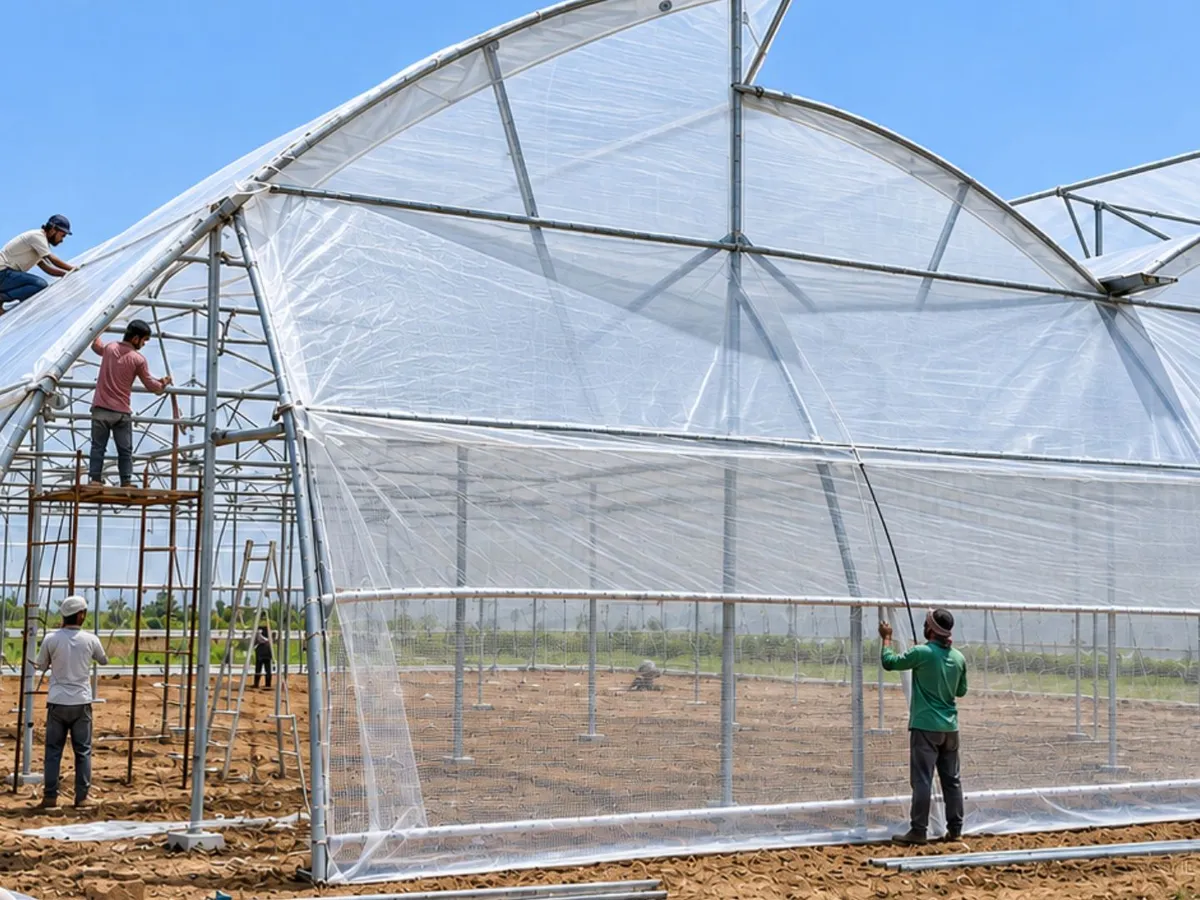
Construction
Our team builds the foundations, structure and growing systems on your land.
 8
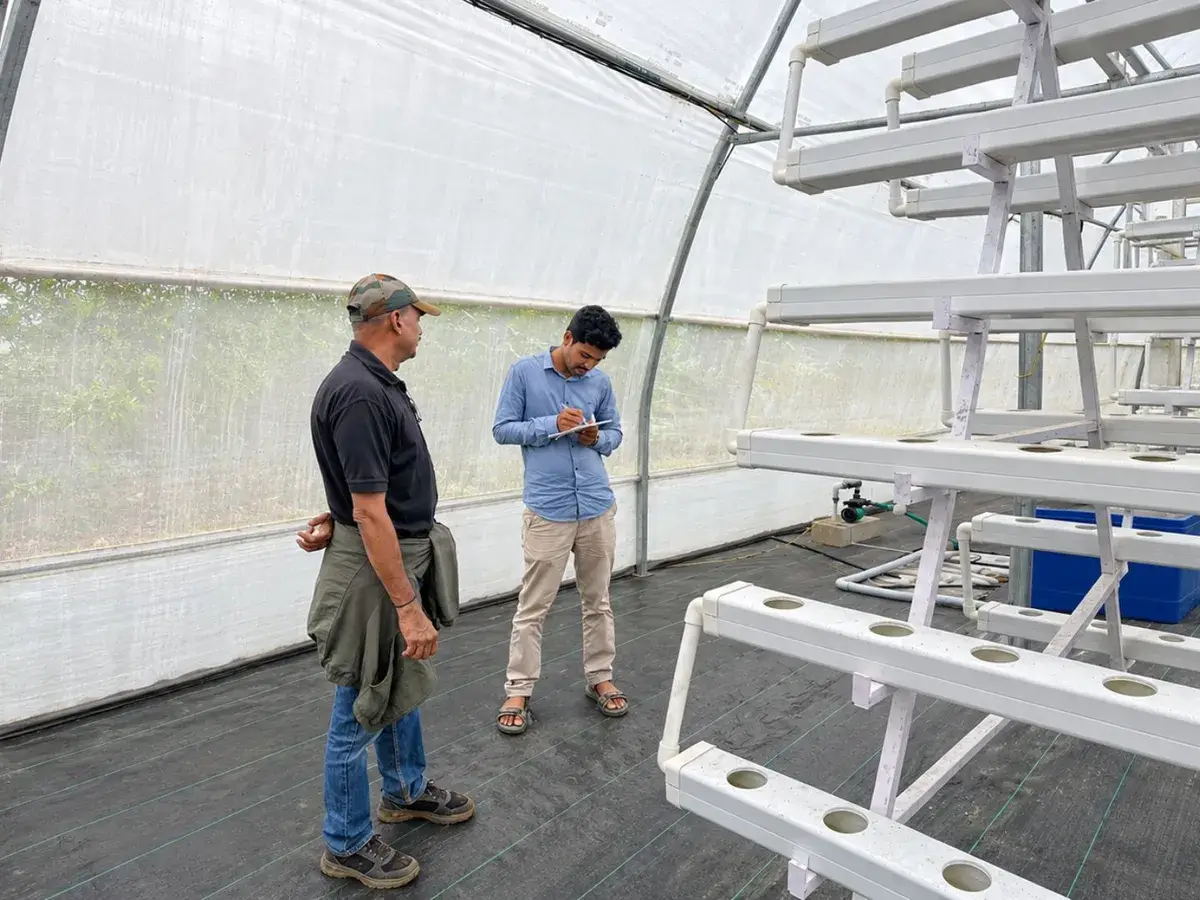
Testing and handover
We test every system and hand over a working farm.
 9
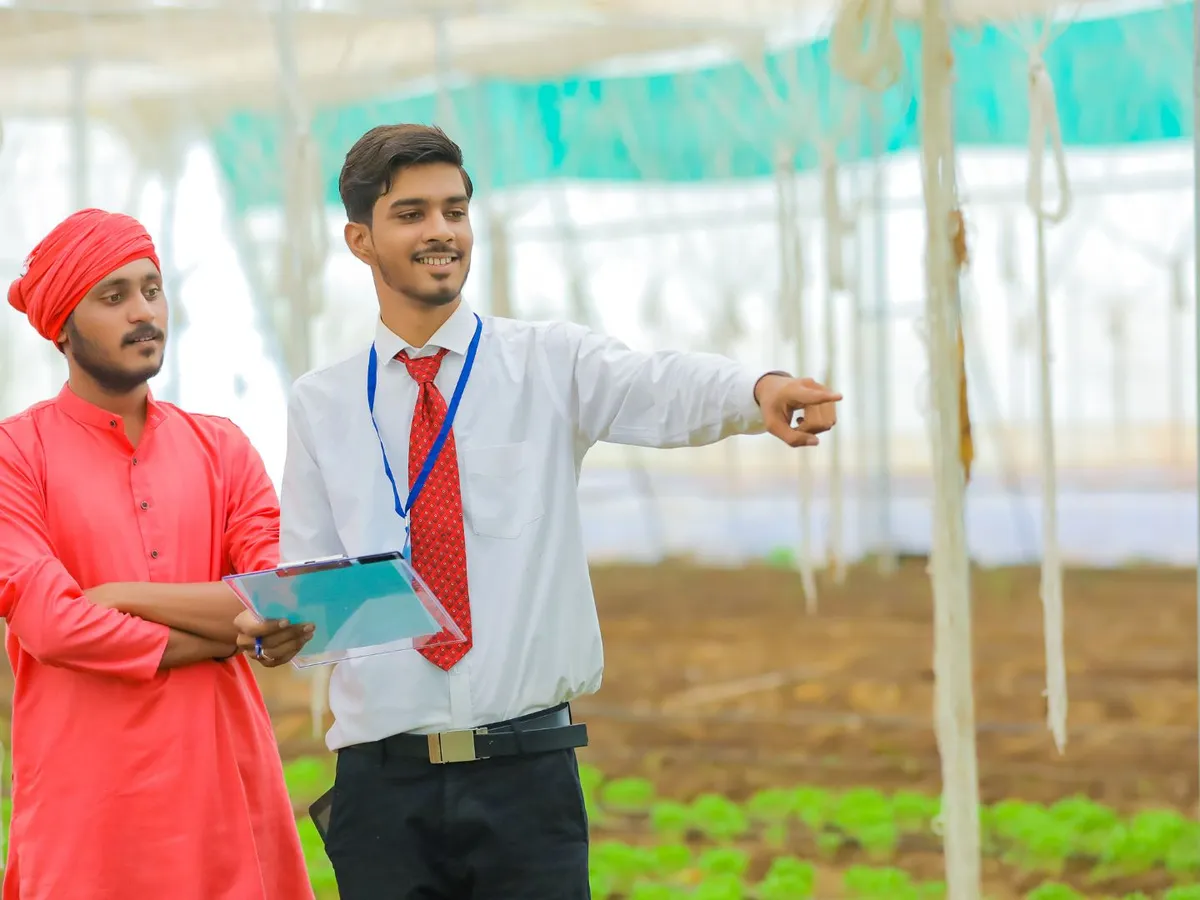
Training and agronomy
Hands-on training for your team and 6 months of virtual agronomy support.
 10
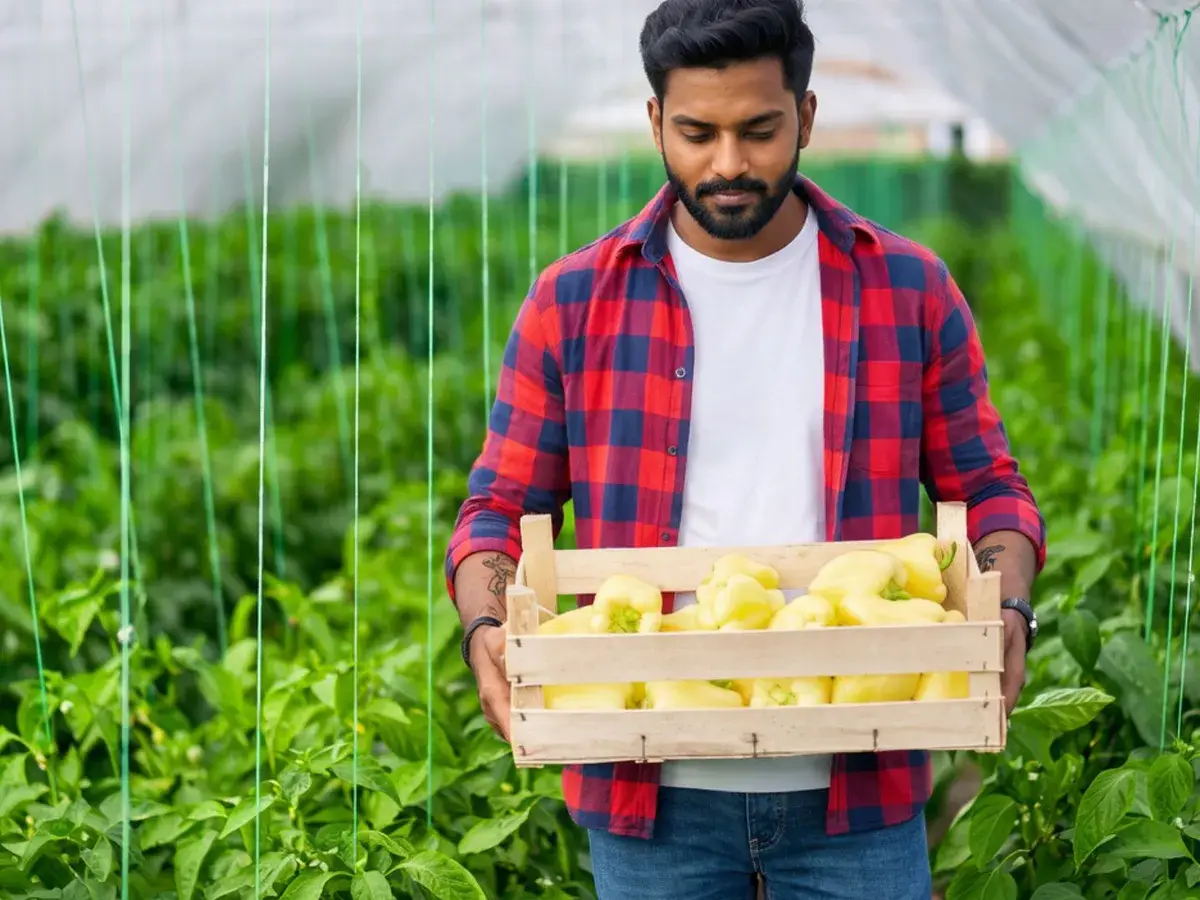
Harvest management
We help you plan harvests, grading and sales, with market prices from Price Watcher and buyers through Buyers Connect.