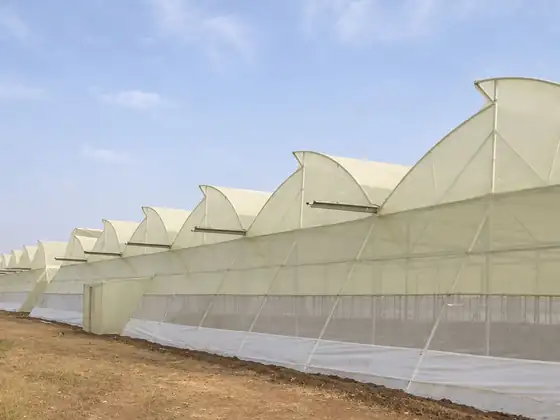
NVPH, fan and pad polyhouse and nethouse construction in Satara, planned around the local climate: natural ventilation for vine crops and fan and pad for greens. Construction and material quotes from Kryzen.
If you're looking for polyhouse construction workers in Satara, start by deciding what you need the crew to build. A naturally ventilated polyhouse, a fan and pad polyhouse and a nethouse each have different requirements for the frame, covering and installation. Kryzen helps farmers and agri-entrepreneurs in Satara district, Maharashtra select the structure, plan the layout, source the materials and carry out construction.
Which polyhouse to build in Satara
The right structure for polyhouse construction in Satara depends on the crop and on the local heat, humidity and rain. April is the hottest month in Satara, with average highs of about 37°C and 46% humidity, and the area gets about 2,045 mm of rain a year.[1] At about 742 m above sea level, nights are cooler than in the plains.[2]
Structure
How it works
Where it fits in Satara
Naturally ventilated polyhouse
Film roof keeps rain off; side and roof vents move air
Vine crops such as capsicum, cucumber and tomato
Fan and pad polyhouse
Exhaust fans pull air through wet pads to cool it
Cooling for March to May: about 37°C outside to 30°C inside in April
Nethouse
Shade or insect net; rain passes through
Nurseries and hardy crops in November to February
Worked out from NASA POWER monthly averages for Satara. Inside temperatures are estimates; your plot, crop and design will change them.
Naturally ventilated polyhouse construction in Satara
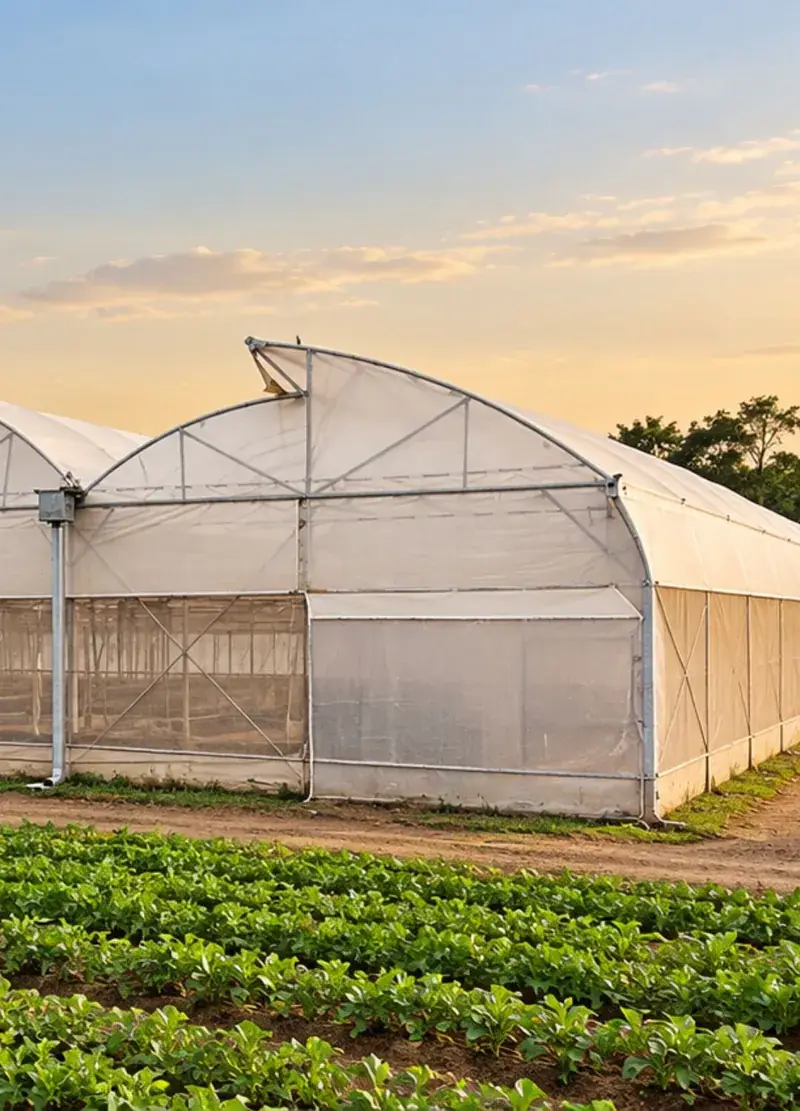
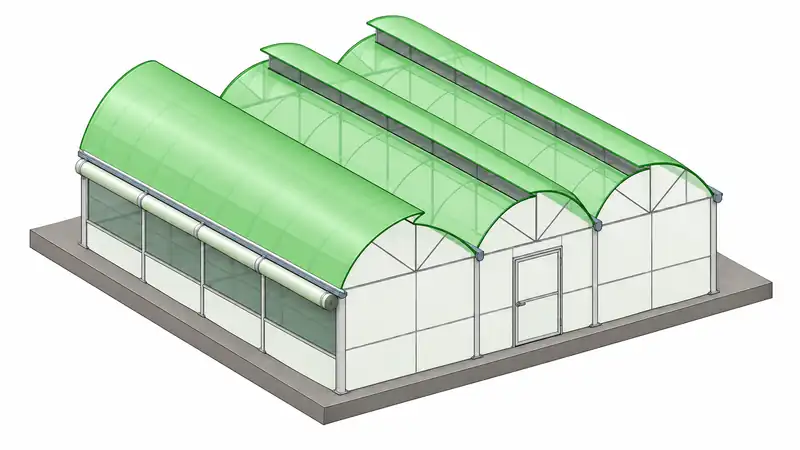
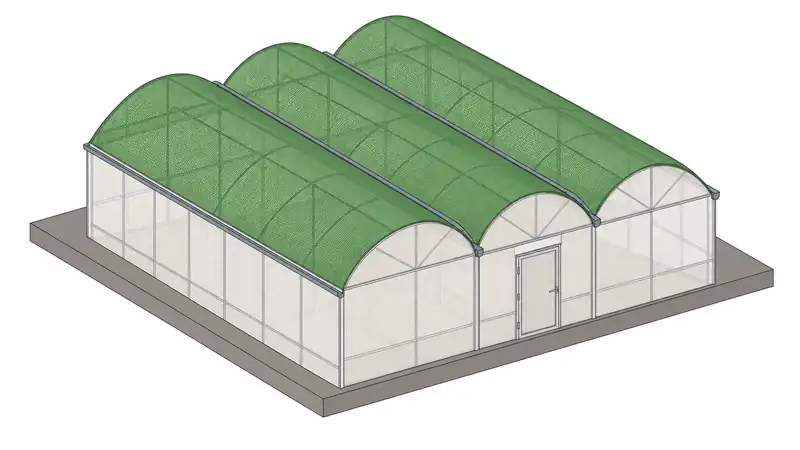
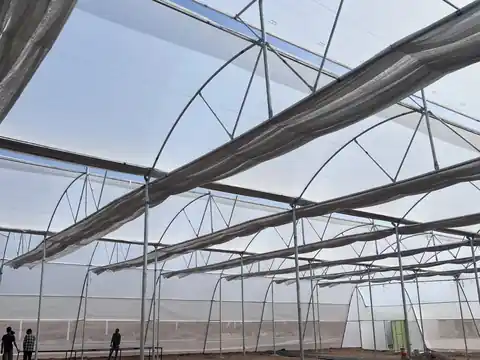
A naturally ventilated polyhouse (NVPH) uses a greenhouse film roof to keep direct rain off the crop. Side and roof vents allow air to move through the structure without relying on exhaust fans for routine ventilation. Insect netting at the openings can help limit pest entry.
An NVPH is worth considering for crops such as capsicum, cucumber or tomato where rain protection and passive ventilation suit the site and crop calendar. Kryzen's construction scope can include foundations, the galvanised iron (GI) frame, greenhouse film, gutters, vents, insect netting and doors. In Satara, July alone brings about 625 mm of rain, so size the gutters and plinth for that month and plan how runoff will leave the site. Check whether nearby trees or buildings will restrict airflow. Humidity stays at 75% or more in June to October, so wide roof vents matter here.
A fan and pad polyhouse uses exhaust fans to draw outside air through wet cooling pads. As water evaporates from the pads, it cools the incoming air. This can help when passive ventilation alone falls short of the crop's daytime cooling needs. Cooling performance varies with outdoor humidity, so the system generally cools less on humid days.
In that dry air, wet pads can bring a 37°C April afternoon down to roughly 30°C inside a Fan & Pad polyhouse, which keeps herbs and vine crops going; lettuce will still struggle in the hottest weeks.[1]
Kryzen can plan the greenhouse structure, fan and pad placement, and water circulation as part of the project. Share your water source and power availability early so the quote can account for the cooling equipment, its operating requirements and any electrical work.
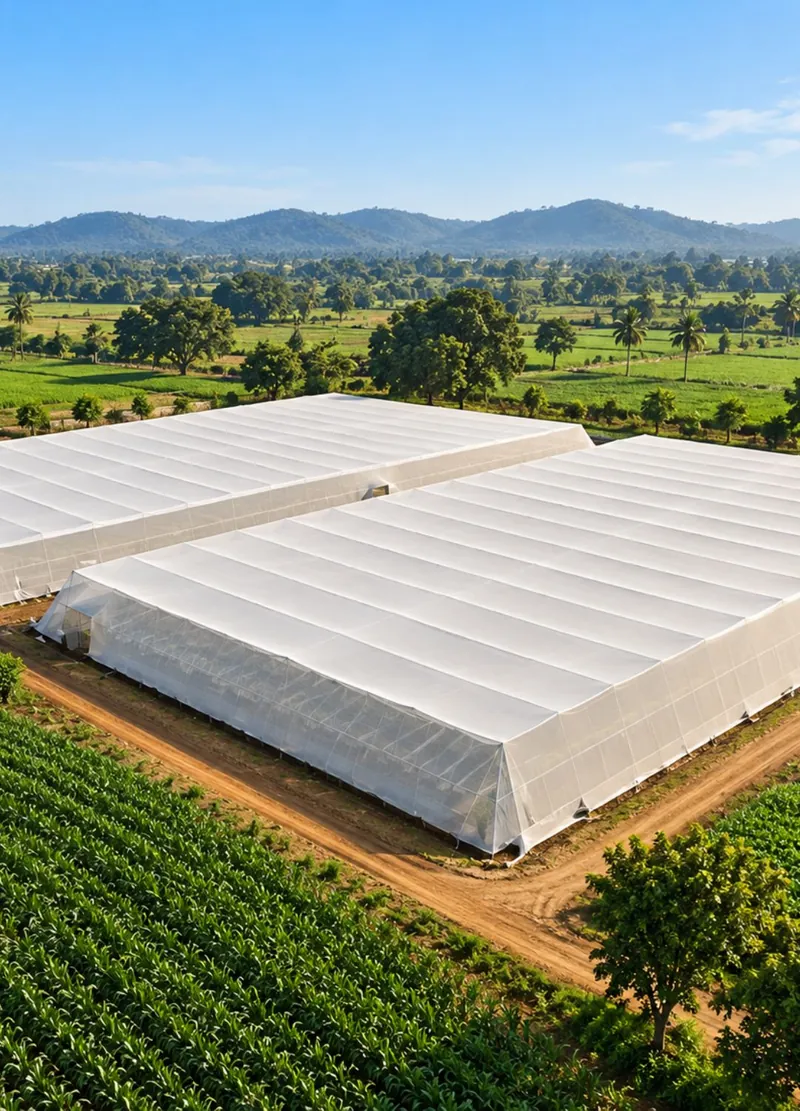
A nethouse uses shade netting, insect netting or a combination of both, depending on what the crop needs. Shade netting reduces direct sunlight, while insect netting helps limit entry by targeted pests. An open-mesh roof allows rain through, so consider a film-covered structure if keeping direct rain off the crop is a priority.
Kryzen can help you select the frame, netting and entry layout for your site. A nethouse is worth considering for nurseries, seedlings and crops that mainly need shade or an insect barrier. Sunlight in Satara peaks in April at about 7.0 kWh per m² a day, when shade net helps most. When comparing quotes, ask for the shade percentage, insect mesh specification and the method used to secure the netting around doors and edges.
What to confirm before hiring a polyhouse construction crew
1
Written scope
Ask for a written scope that shows who handles foundations, frame erection, cladding, drainage and handover.
2
What is included
Confirm whether transport, installation labour, irrigation or hydroponic systems, and electrical work are included or priced separately.
3
Your site details
Send your village or taluka near Satara, site photos, proposed area and crop plan so the team can quote for the actual site.
Why build with Kryzen
✓
Deep understanding of protected farming
We consider the crop, local climate, drainage, water supply and farm operations before recommending a structure. These details shape choices such as ventilation, netting and cooling.
✓
30 years of collective experience
Our team brings together experience in greenhouse engineering, manufacturing and on-site construction to plan and execute commercial farm projects.
✓
India's largest CEA manufacturing facility
Kryzen brings controlled environment agriculture (CEA) manufacturing and farm construction together, with a manufacturing facility in Satara and teams that install structures on site.
✓
Competitive rates, clear specifications
We spell out the frame, covering materials and installation scope in the quote so you can compare prices against the same specifications.
✓
Indian standards, quality workmanship
We use ISI-marked components where required and follow applicable government technical specifications, including National Horticulture Board (NHB) requirements where specified for the project.
✓
350+ projects across India
Our portfolio includes naturally ventilated polyhouses, fan and pad installations, nethouses and hydroponic farms.
Success stories across India
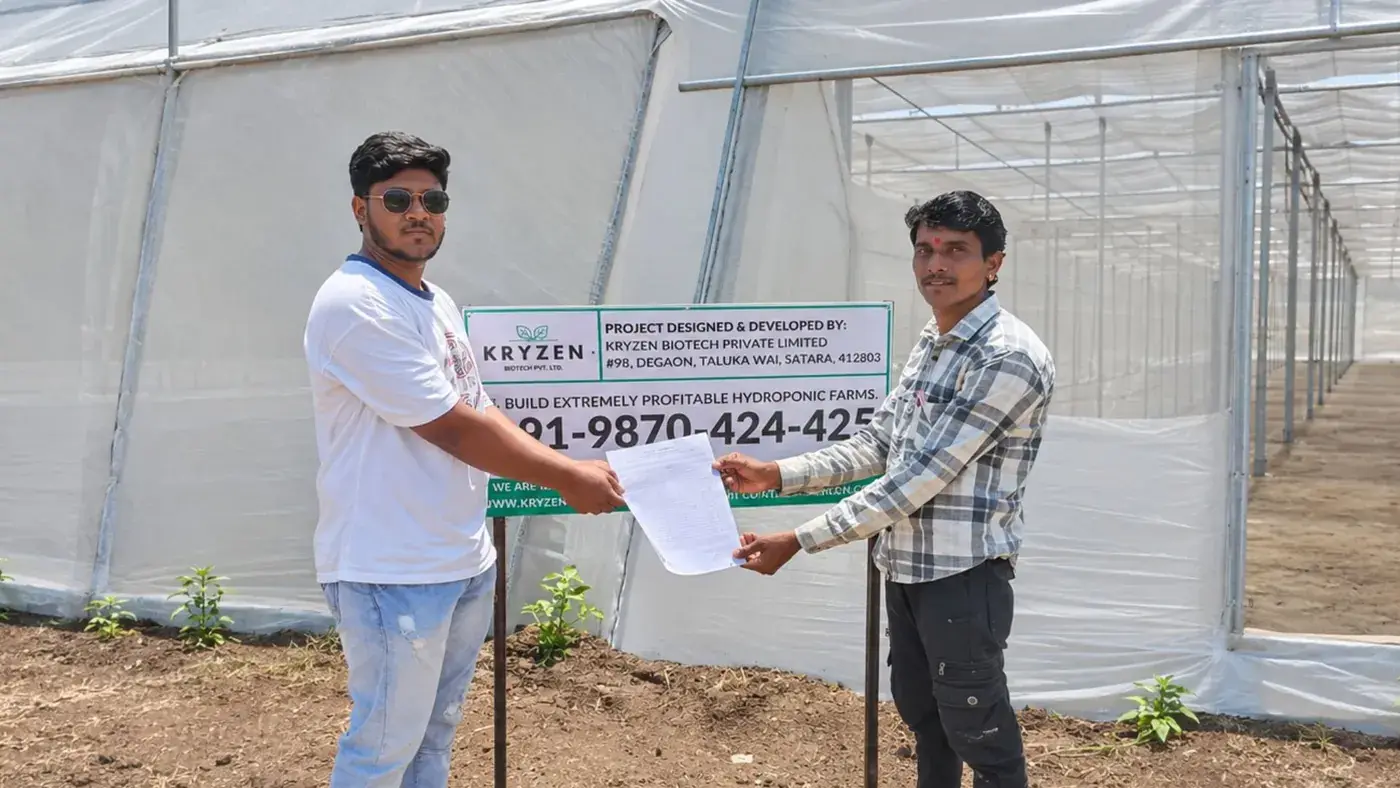
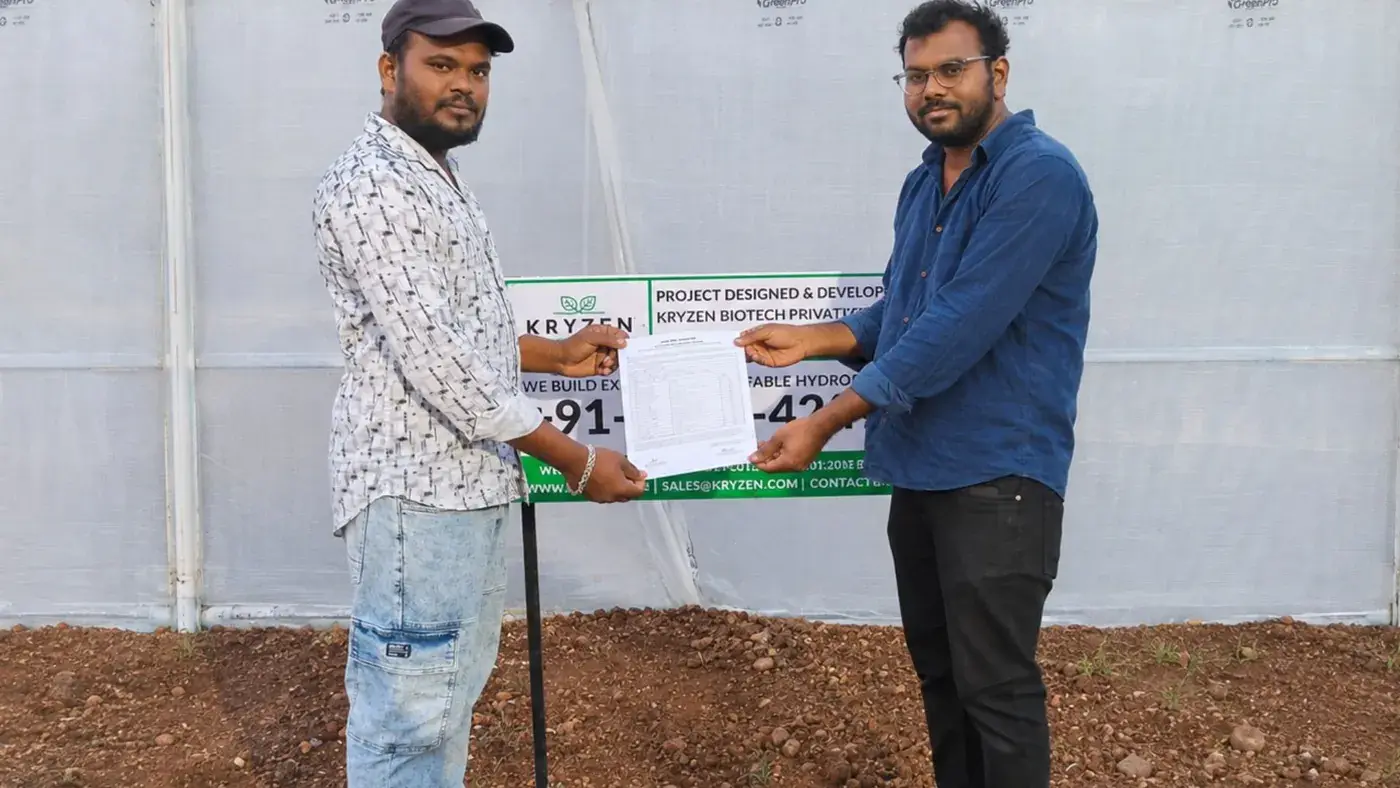
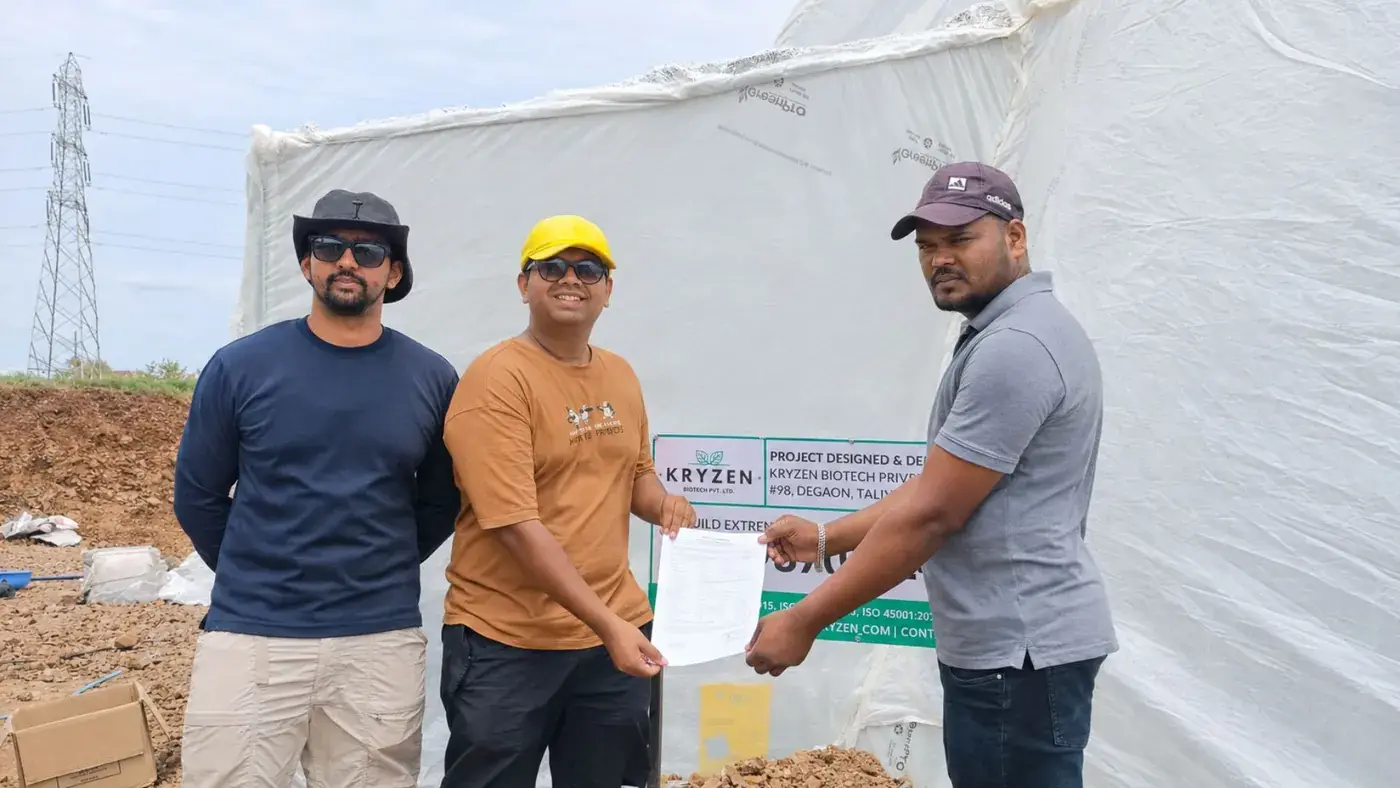
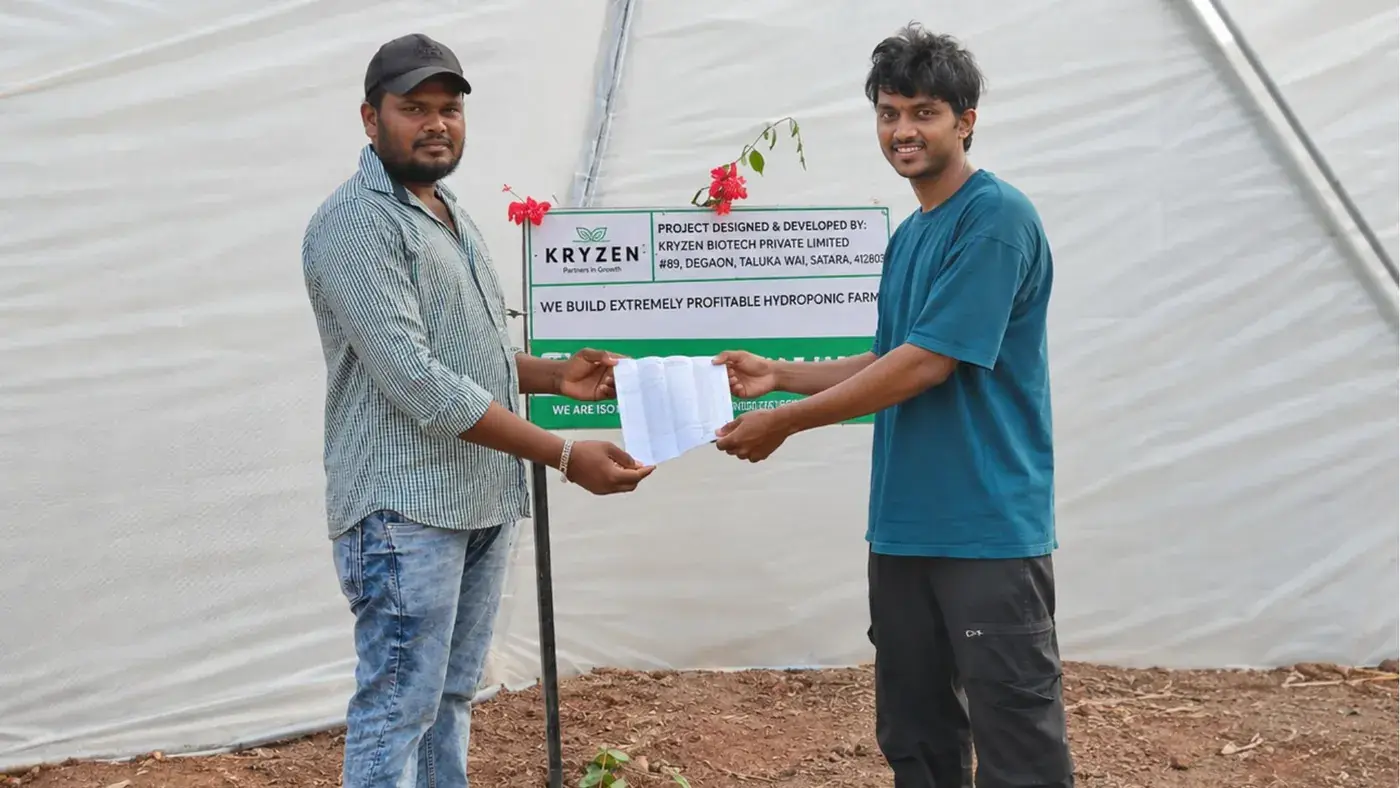
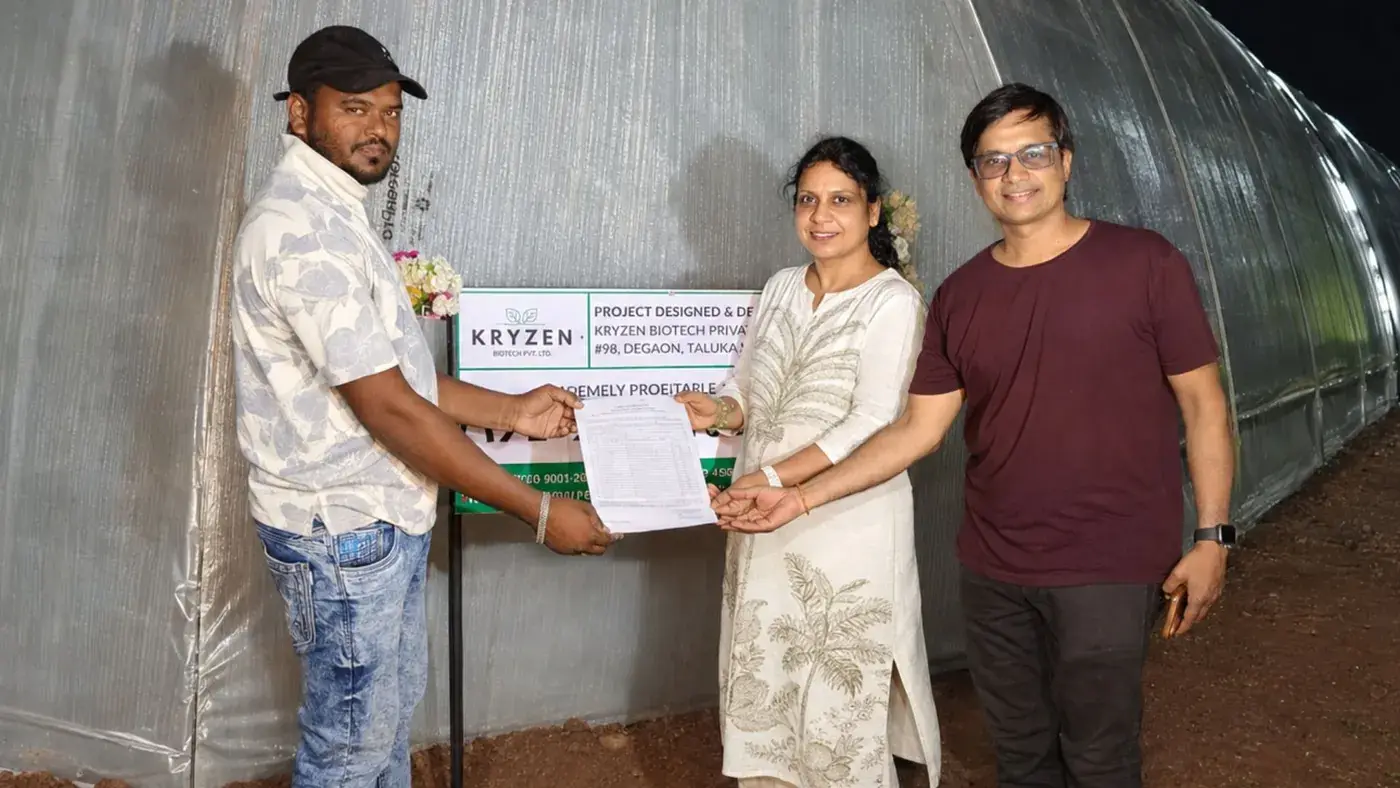
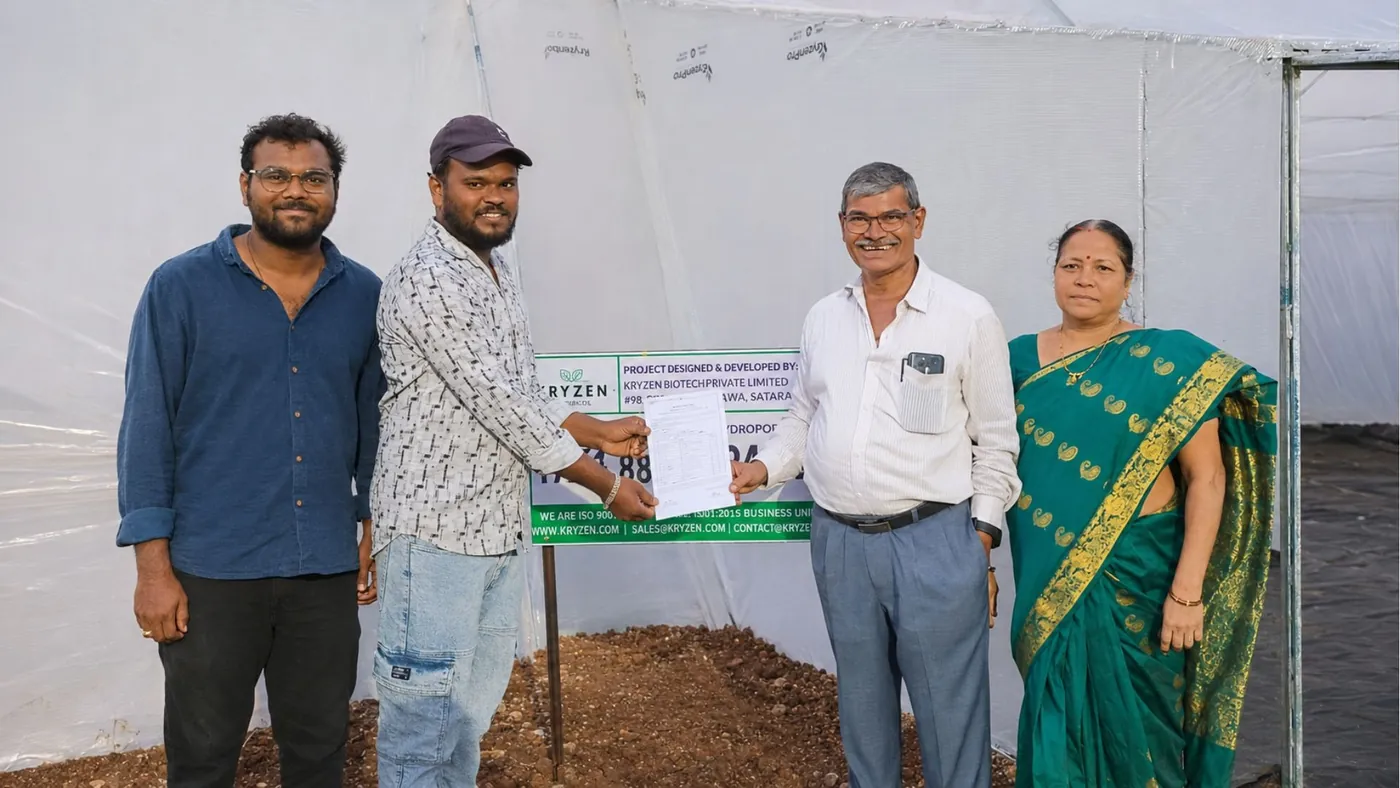
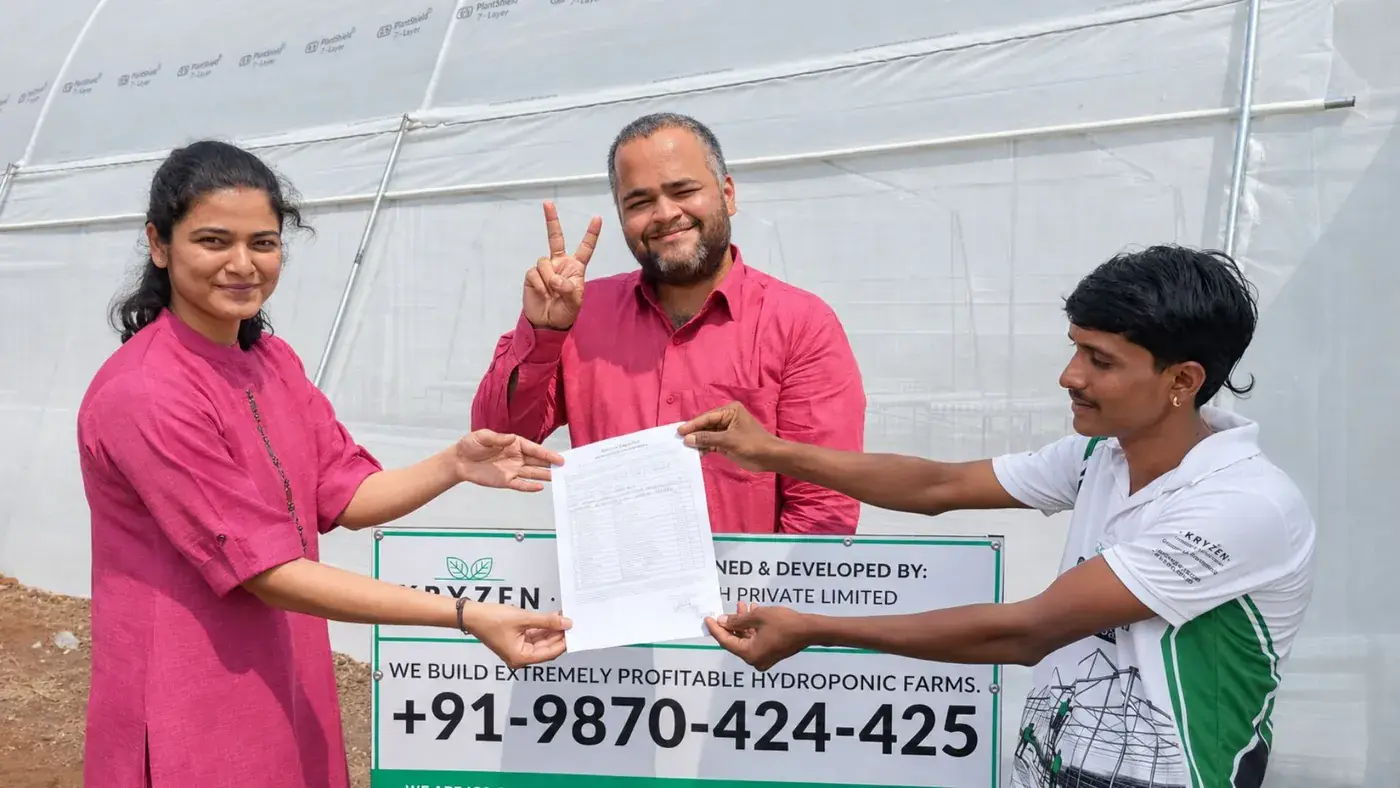
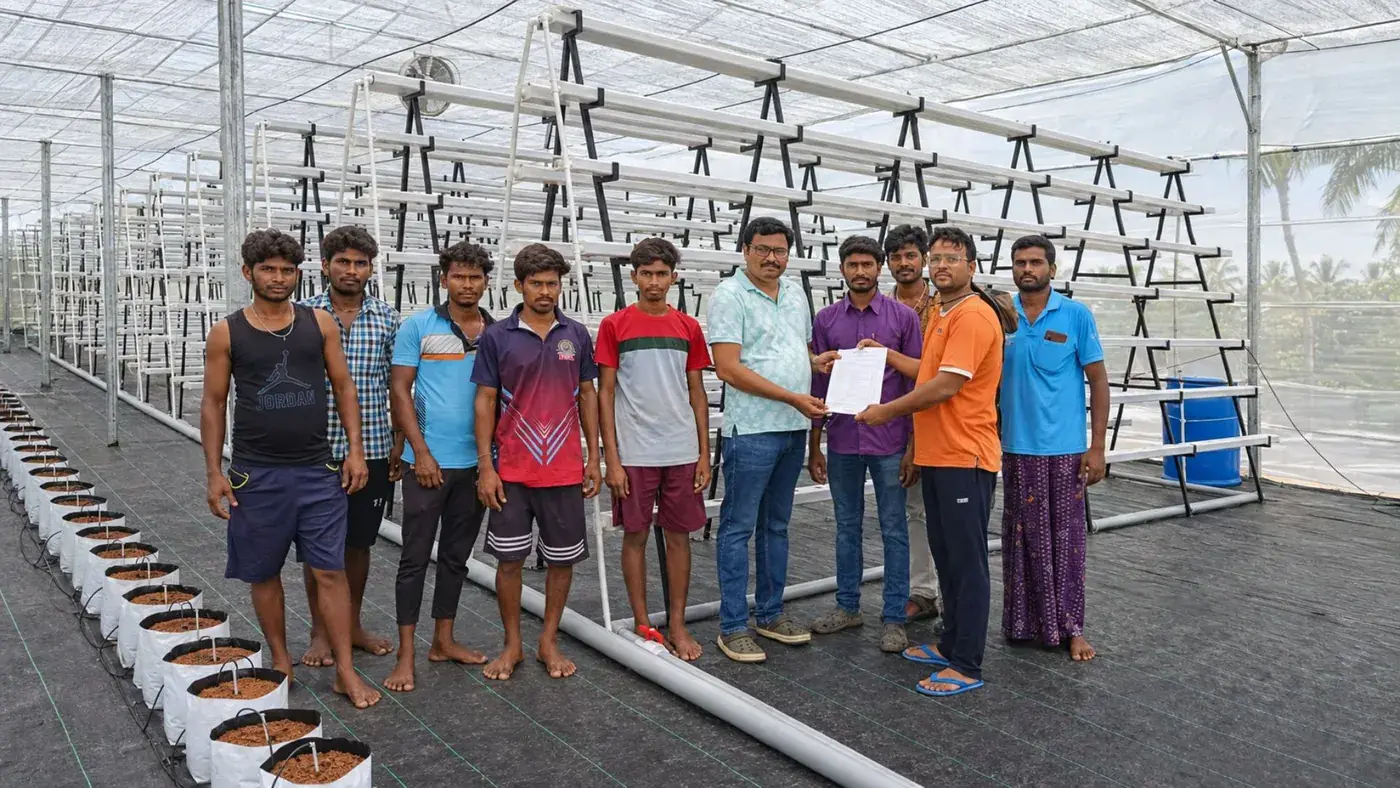
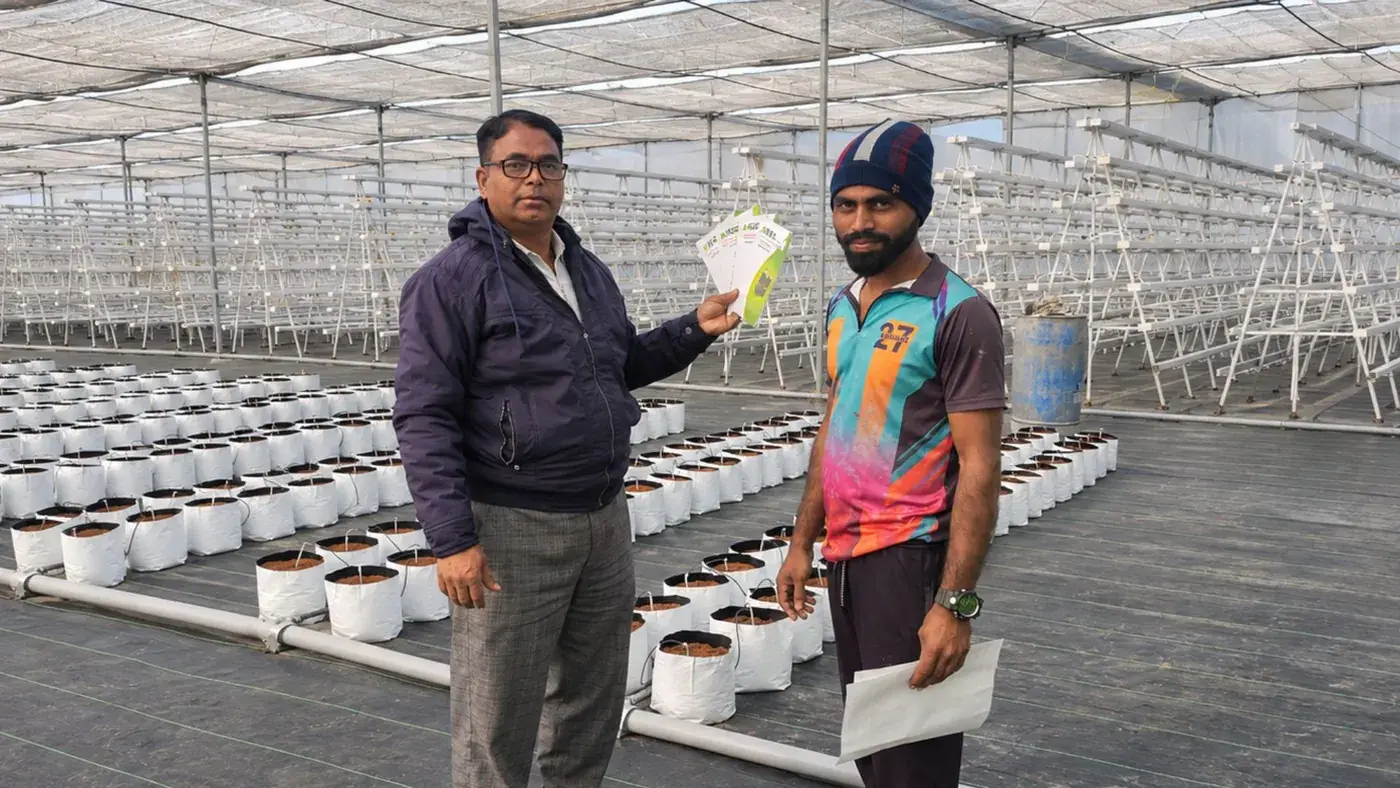
Every Kryzen farm ends with a handover on site: the structure, the systems and the paperwork, to a farmer ready to grow.
GI structure, polyfilm, nets, profiles and fittings, supplied for your own crew.
2. Materials and labour to construct a polyhouse
Complete construction: materials plus our installation team on site.
3. Repair and maintenance of an existing polyhouse
Film replacement, frame and gutter repairs, curtain and net servicing.
4. Relocation of a polyhouse
Dismantling, transport and re-erection of your polyhouse at a new site.
Already have an installation crew in Satara or need to replace parts on an existing polyhouse? Ask Kryzen for a material-only quote for your new build, repair or expansion.
Structural components
GI pipes, gutters, clamps and brackets.
Greenhouse coverings
Polyfilm, insect netting and shade nets.
Fixing and finishing
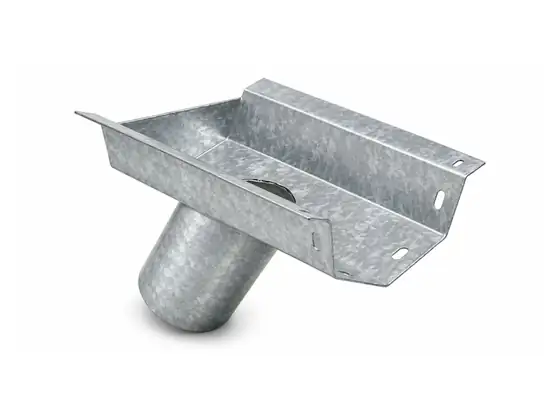
Gutter outlets, film-locking profiles, spring wire and fasteners.
Send your bill of materials (BOM), drawings or photos of the parts you need to match. Include pipe diameter and thickness, film width and micron rating, or net mesh size or shade percentage, as applicable. Share quantities and your delivery PIN code so Kryzen can confirm availability, specifications and freight.
Polyhouse construction in Satara: FAQs
Which polyhouse should I build in Satara?
Going by the monthly climate, we would usually start with a naturally ventilated polyhouse for vine crops, and fan and pad cooling only if you grow greens through summer. The final choice depends on your crop, water and budget.
What should I send for a polyhouse construction quote?
Your village or taluka, site photos, proposed area, crop plan, water source and power availability. If you are still deciding between an NVPH, a fan and pad polyhouse or a nethouse, tell us your main priority: rain protection, cooling, shade or insect exclusion.
Can I buy only polyhouse materials from Kryzen?
Yes. Send your bill of materials, drawings or photos, with quantities and your delivery PIN code, and we will confirm availability, specifications and freight.
Is there a subsidy for polyhouse construction in Maharashtra?
Polyhouse, shade net and nethouse projects in Maharashtra can apply for Mission for Integrated Development of Horticulture (MIDH) assistance through the state horticulture department. Check the current rate and area limit when you apply.
Get a polyhouse construction quote in Satara
Share your farm location, proposed area, crop and preferred structure with Kryzen. If you're still deciding between an NVPH, a fan and pad polyhouse or a nethouse, share your main priority, such as rain protection, cooling, shade or insect exclusion.
A computer engineer turned hydroponic farmer from a multigenerational farming family in Satara. Sudhir founded Kryzen in 2019, and the team has since built 350+ protected and hydroponic farms across India.