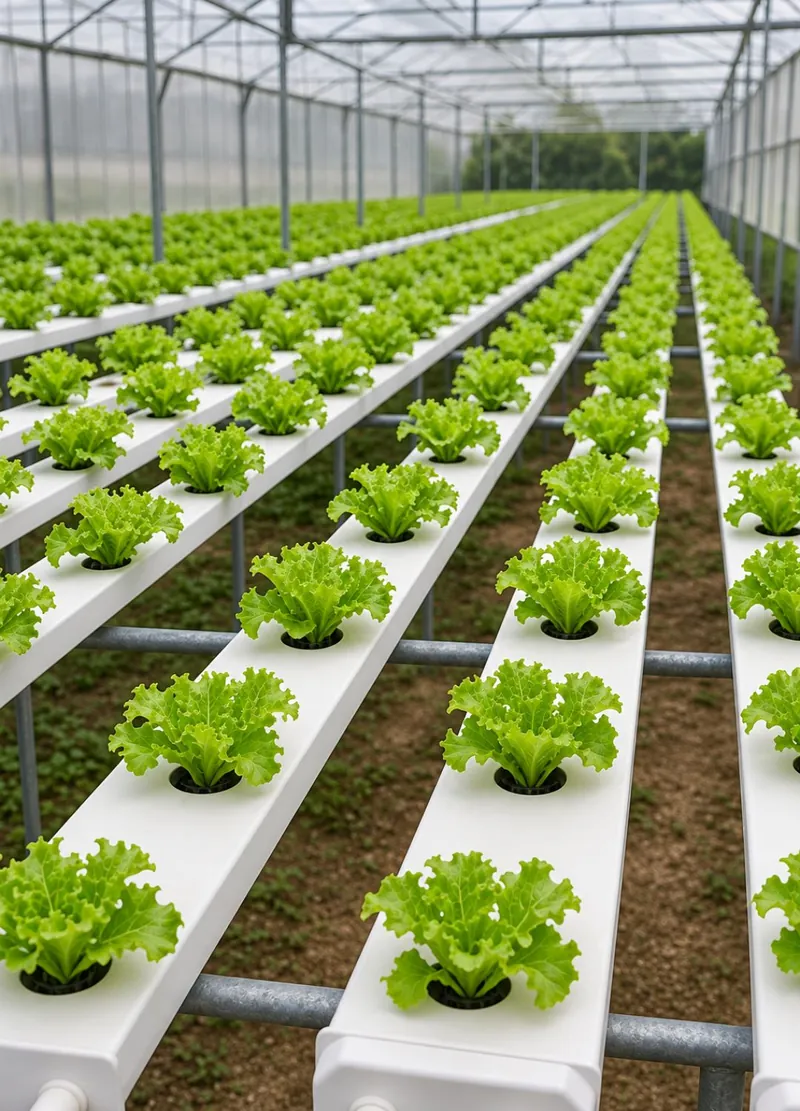
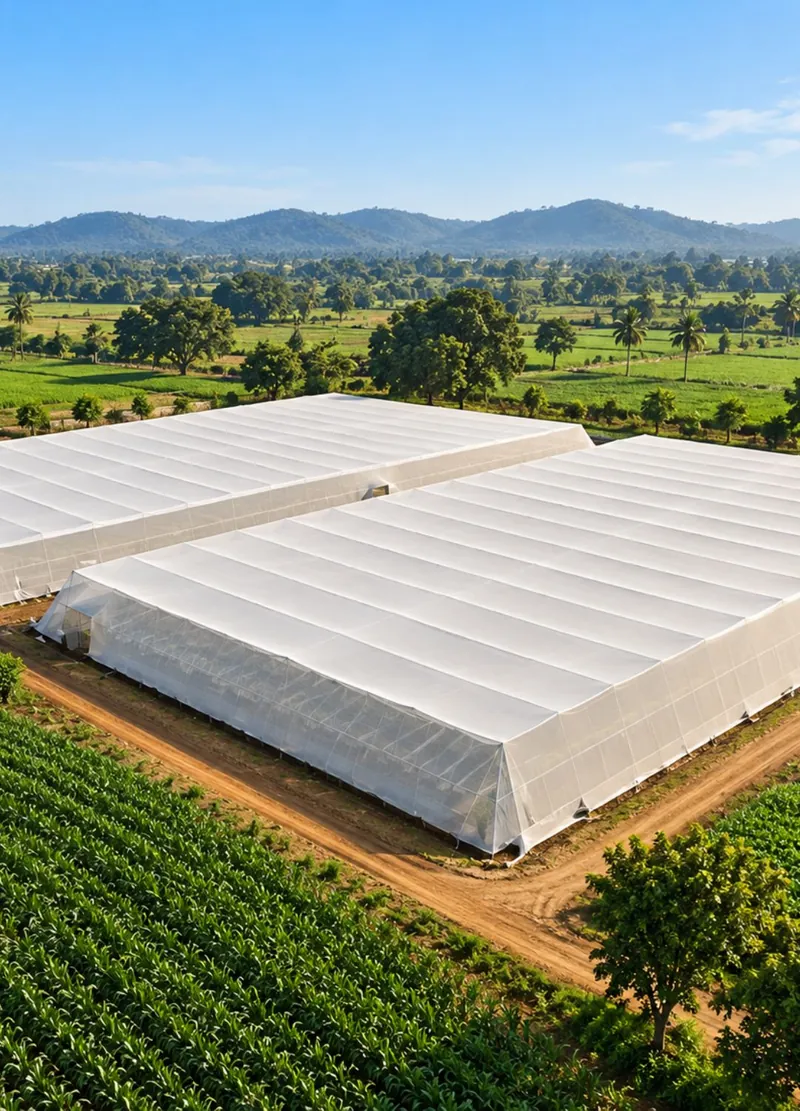
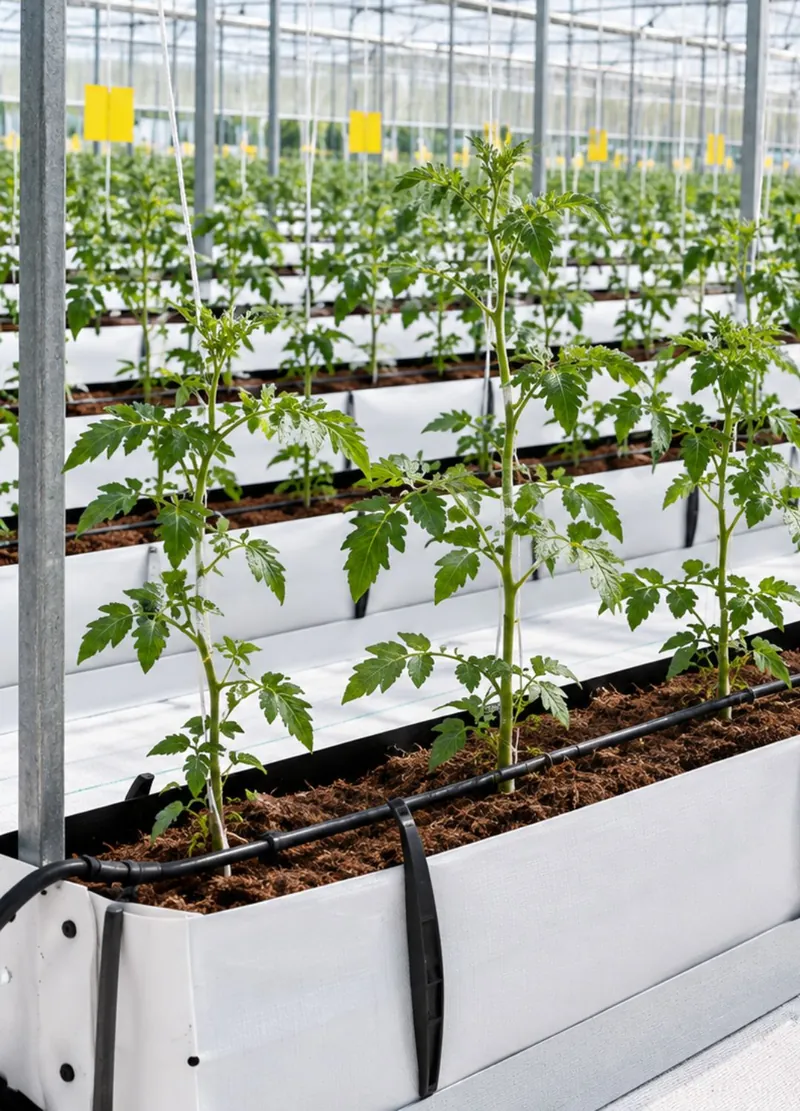
Planning hydroponic farm construction in Puthuppally? Puthuppally is a small town in Kottayam district, Kerala, home to about 30,000 people (GeoNames)[1][2], about 400 km from Bengaluru. Below we use the town's monthly temperatures, humidity and rainfall to work out which structure fits, which crops to grow and in which months, before you spend on construction.
Climate for hydroponic farm construction in Puthuppally
March is the hottest month in Puthuppally, with average daily highs of about 36°C. January has the coolest nights, averaging 20°C.[3] The area gets about 2,230 mm of rain a year, most of it in April to November, peaking in June at about 352 mm. Average humidity stays at 75% or more in May to December, which raises the risk of leaf disease and slows evaporative cooling. On the Köppen–Geiger climate map, Puthuppally falls in the tropical monsoon zone (Am).[4]
Puthuppally climate by month
Month
Avg high (°C)
Avg low (°C)
Humidity (%)
Rain (mm)
Jan
31.1
19.7
74
15
Feb
34.4
20.7
64
26
Mar
35.9
22.7
64
59
Apr
34.5
24.2
74
125
May
31.4
24.6
84
250
Jun
29.1
23.9
89
352
Jul
28.3
23.3
91
302
Aug
28.4
23.1
91
256
Sep
28.9
23.0
89
252
Oct
29.3
22.9
89
348
Nov
29.4
22.1
87
198
Dec
29.4
20.7
83
47
Area averages (a grid cell of about 50 km) for 2001–2025, from NASA POWER, centred on Puthuppally, adjusted for the town's elevation[5]. Rainfall and night temperatures at your plot can differ, especially near hills and the coast.[3]
Which greenhouse suits Puthuppally?
For hydroponic farm construction in Puthuppally, the structure decides which months you can crop and what it costs to run. In Puthuppally the heat comes with humidity: during February to April average humidity is about 67%. Wet pads cool much less in humid air: on a typical March afternoon they would only bring 36°C down to about 32°C. So we usually start with a tall naturally ventilated polyhouse with wide roof vents, insect net and a shade screen. A Fan & Pad polyhouse still makes sense if buyers need lettuce through the hottest months, but expect a smaller temperature drop than in dry inland towns.
Plan for heavy rain in June (about 352 mm): raise the plinth, size the gutters for that month and keep drains away from the nutrient tank. Sunlight peaks in March at about 6.4 kWh per m² a day, so add a shade screen for leafy greens in the brightest months.
Hydroponic crops for Puthuppally
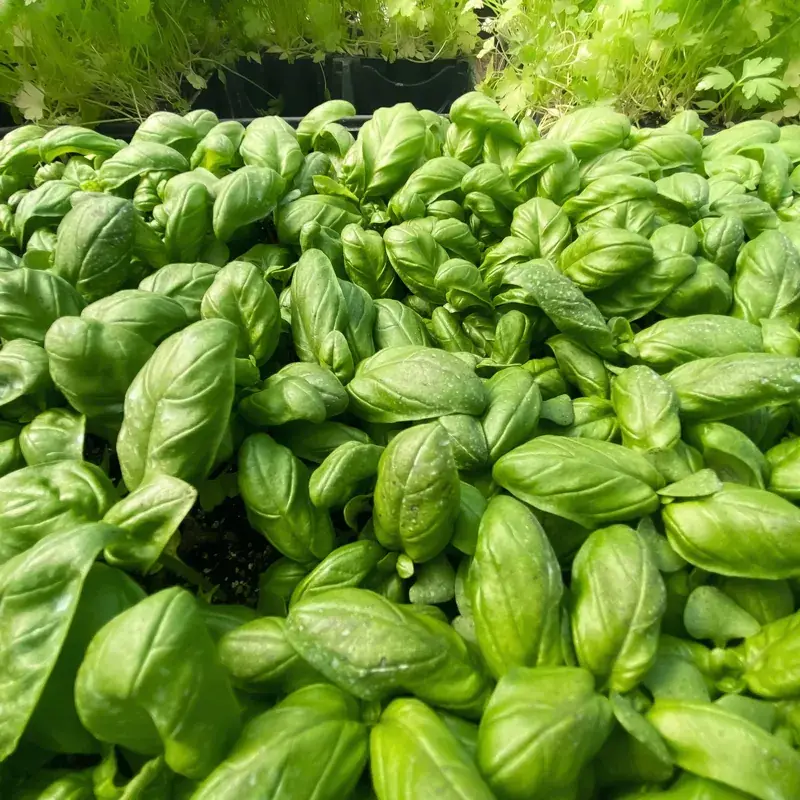
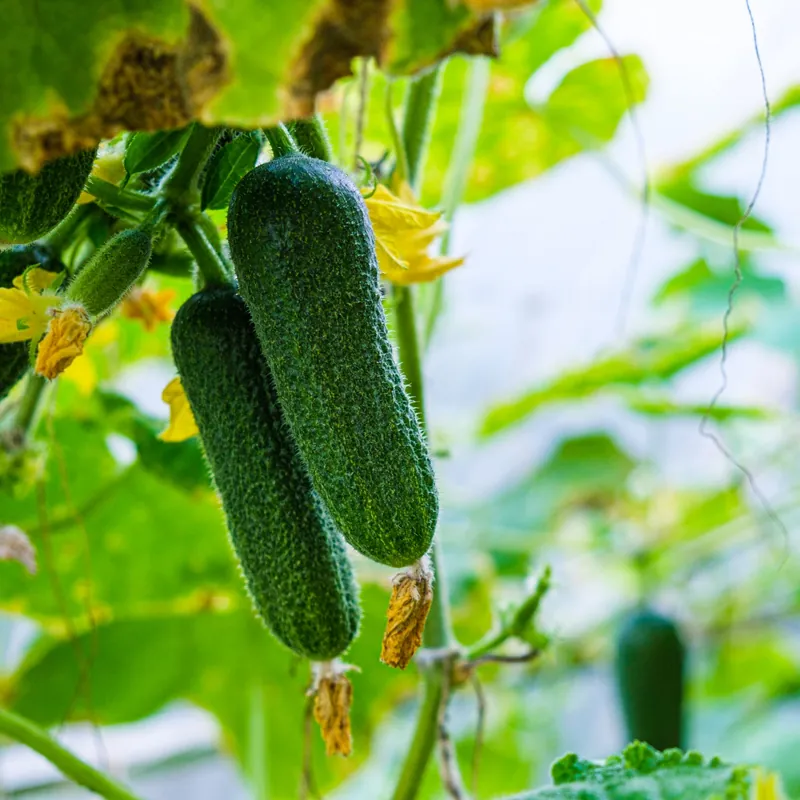
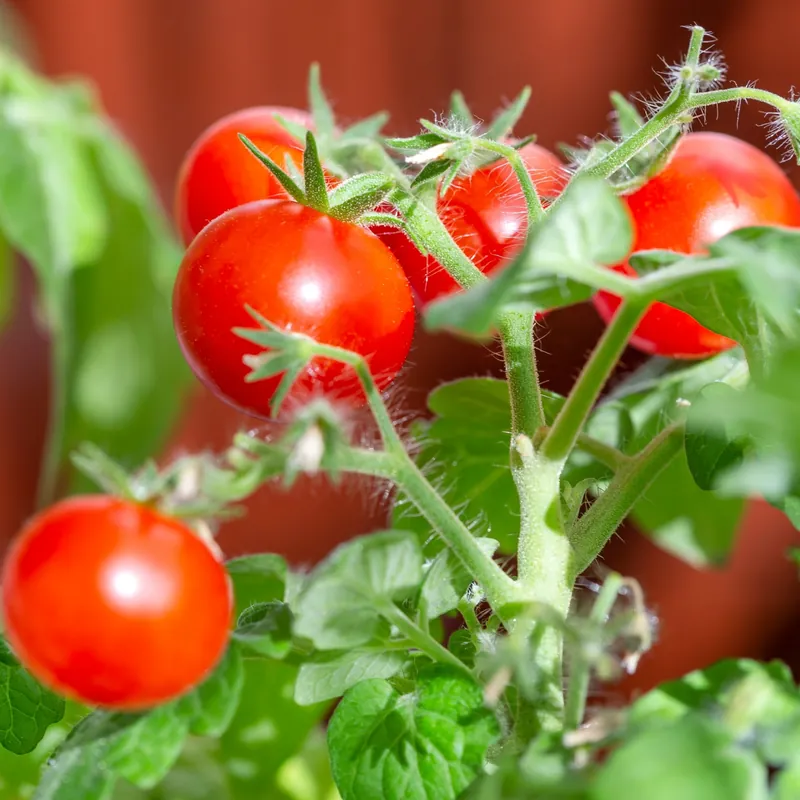
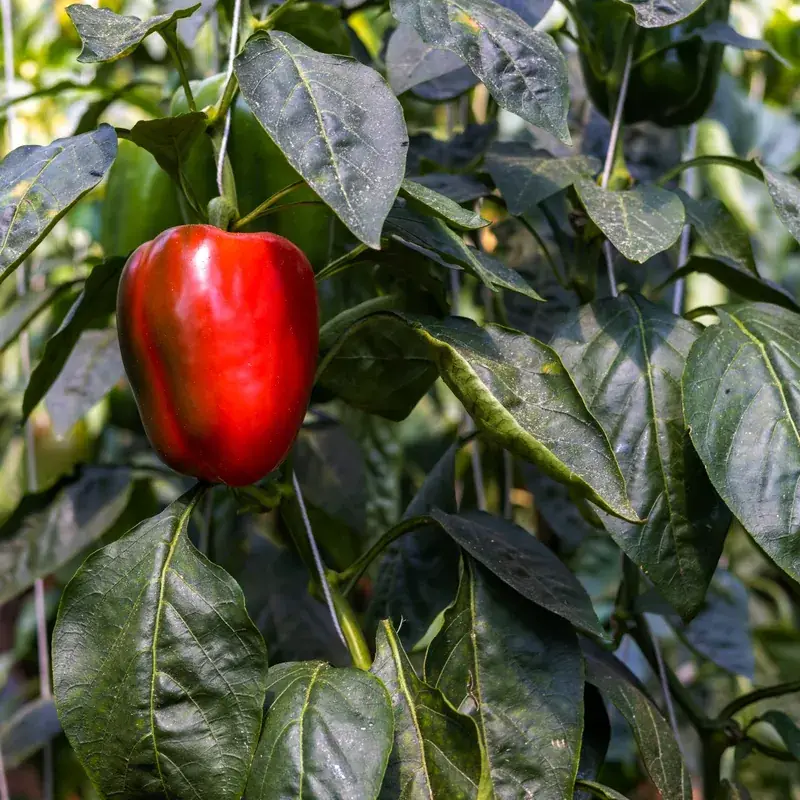
Based on Puthuppally's climate, the crops with the longest growing windows are basil (9 months), mint (9 months) and cucumber (9 months). Basil fits May to January in a naturally ventilated polyhouse. Strawberry and parsley are hard to time here, so we would leave them out of the first season. These are the crops we would plan first for hydroponic farm construction in Puthuppally.
Months each crop suits in Puthuppally
పంట
సహజ వెంటిలేషన్ పాలీహౌస్
With Fan & Pad cooling
లెట్యూస్
Difficult
Jun–Jan
పాలకూర
Difficult
Jun–Jan
కొత్తిమీర
Jun–Dec
All year
పార్స్లీ
Difficult
Jun–Jan
బేసిల్
May–Jan
All year
పుదీనా
May–Jan
All year
దోసకాయ
May–Jan
All year
టమాటా
Jun–Dec
All year
క్యాప్సికమ్
Jun–Dec
All year
స్ట్రాబెర్రీ
Difficult
Difficult
Kryzen planning estimate from the monthly averages above and each crop's usual day and night temperature range. Variety, nutrient temperature and shading change the result, so confirm with a trial.
₹7,834Spending per person per month, urban Kerala, 2023–24[6]
400 kmto Bengaluru, the nearest metro (straight line)
Urban households in Kerala spent an average of ₹7,834 per person per month in 2023–24, above the all-India urban average of ₹7,078.[6] Local demand in Puthuppally may be small for exotic greens, so plan where the rest of the harvest goes. Alappuzha, about 30 km away, is the nearest larger market on our list.
Hydroponic farm construction in Puthuppally with Kryzen
Puthuppally is about 980 km in a straight line from our factory and master warehouse at Degaon, Wai (Satara), our nearest site.
Towns near Puthuppally
We also plan and build farms in these towns near Puthuppally:
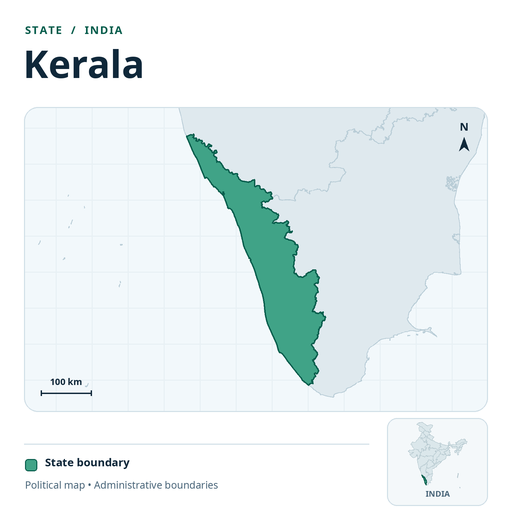
Map: LGD 2024 boundaries via bharatlas, CC BY 4.0. For illustration only.
Hydroponic farm construction in Puthuppally: FAQs
Can a hydroponic farm run all year in Puthuppally?
Yes, with the right structure. For Puthuppally we would plan a tall naturally ventilated polyhouse with wide vents and insect net. Even then, lettuce is hard to grow in February to May, so plan another crop for those months.
Which polyhouse is best for Puthuppally?
With March highs of about 36°C and 64% average humidity in that month, we would start with a tall naturally ventilated polyhouse with wide vents and insect net.
Which hydroponic crops should I start with in Puthuppally?
Going by the monthly climate, coriander, basil and mint have the longest growing windows. Confirm prices and volumes with buyers before you plant.
Does Kryzen build hydroponic farms in Puthuppally?
Yes. Our nearest site is our factory and master warehouse at Degaon, Wai (Satara), about 980 km away.
Is there a subsidy for polyhouse or hydroponic farms in Kerala?
Yes. Protected cultivation projects in Kerala can apply for Mission for Integrated Development of Horticulture (MIDH) assistance through the state horticulture department. Check the current rate and area limit when you apply.
Discuss your Puthuppally farm project
Share your plot location, water test and crop targets. We will suggest the right structure and growing system, and send an itemised quotation.
A computer engineer turned hydroponic farmer from a multigenerational farming family in Satara. Sudhir founded Kryzen in 2019, and the team has since built 350+ protected and hydroponic farms across India.